


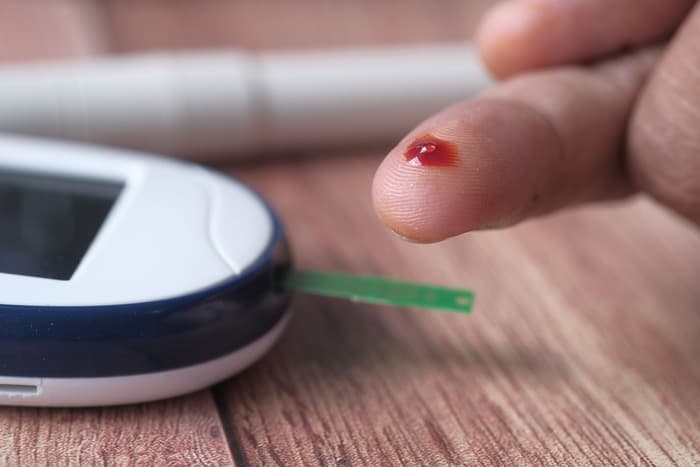
What should be a normal blood sugar level after eating? A comprehensive guide for Saudis
Normal blood sugar levels are among the most important health indicators that help assess the body's ability to regulate and utilize glucose effectively. With the increasing focus on health and the prevention of chronic diseases in Saudi Arabia, many people are now seeking information on normal blood sugar levels, especially after meals.
Understanding accurate blood sugar readings helps detect any changes early and take appropriate steps to maintain good health. In this comprehensive guide, we'll learn about normal blood sugar levels after meals, how readings vary between different age groups, what constitutes normal blood sugar levels by age, and practical tips to help maintain balanced blood sugar levels.
What is a normal blood sugar level?
Normal blood sugar levels refer to the glucose levels in the blood at different times of the day. The body needs glucose as its primary source of energy, but consistently high or low levels can lead to health problems that require monitoring.
Normal readings vary depending on:
- Time of measurement.
- Type of meal consumed.
- Physical activity.
- Age.
- Overall health status.
For this reason, doctors always recommend interpreting test results within a comprehensive health picture, and not relying on a single reading.
Normal blood sugar level after eating
Normal blood sugar levels after a meal are among the most reliable indicators for assessing the body's response to food. For the most accurate reading, blood sugar is typically measured two hours after a main meal.
In general:
- Less than 140 mg/dL is considered within the normal range.
- Blood sugar levels between 140 and 199 mg/dL may indicate prediabetes.
- Blood sugar levels of 200 mg/dL or higher may require further testing.
It is important to note that normal blood sugar levels after meals can be affected by the type and amount of food consumed, as well as the level of daily activity.
Why does blood sugar rise after eating?
When you eat carbohydrate-containing foods, your digestive system converts them into glucose, which is then absorbed into the bloodstream.
The pancreas then releases the hormone insulin to help cells use the glucose as an energy source.
If this process is functioning normally, blood sugar levels return to normal within a short period. However, if there is a problem with insulin production or the body's response to it, blood sugar readings may rise significantly.
This is why normal blood sugar levels after eating are an important indicator when assessing metabolic health.
Normal blood sugar levels by age
Many people wonder if normal blood sugar levels differ between different ages. In fact, there are some differences that doctors consider when interpreting results.
Understanding normal blood sugar levels by age helps in interpreting readings more accurately.
Children and adolescents
Children need stable blood sugar levels to support their growth and development.
If there is a family history of diabetes or if they are overweight, their doctor may recommend regular blood sugar tests to monitor their blood sugar levels for their age.
Adults
Reference values for adults are the most commonly used when assessing blood sugar levels.
Lifestyle plays a key role in maintaining results within healthy limits.
the elderly
Treatment goals may vary slightly in older adults depending on their health status and medications.
Therefore, assessing normal blood sugar levels for different age groups should be done in consultation with a healthcare professional.
How do daily habits affect blood sugar levels?
Even if your results are normal today, daily habits directly affect your long-term health.
Some of the most influential factors include:
Food quality
Consuming large amounts of sugar and sweetened beverages can lead to frequent spikes in blood sugar levels.
It is preferable to focus on:
- Vegetables.
- Whole grains.
- Lean proteins.
- Healthy fats.
Physical activity
Regular physical activity helps improve the body's response to insulin.
Even a 30-minute walk daily can have a positive effect on stabilizing blood sugar levels.
Sleep
Lack of sleep can affect hormonal balance and make it more difficult to regulate blood sugar.
Stress
Constant stress can lead to an increase in certain hormones that affect blood glucose levels.
A practical example from everyday life
Let's say someone in Riyadh ate a lunch consisting of rice, grilled chicken, and salad.
Two hours after eating, they measured their blood sugar level, and the result was 128 mg/dL
In this case, the result is within the normal range for blood sugar after a meal and does not indicate a health problem.
However, if high readings are consistently observed after different meals, it may be advisable to consult a doctor and undergo further testing.
Signs that require attention
Some symptoms may indicate the need for closer monitoring of blood sugar levels, including:
Frequent thirst.
- Frequent thirst.
- Frequent urination.
- Persistent fatigue.
- Blurred vision.
- Unexplained weight loss.
If you experience these symptoms, it is advisable not to delay a medical examination.
Tips for maintaining normal blood sugar levels
A number of simple steps can help maintain normal blood sugar levels:
- Eat balanced meals.
- Reduce sugary drinks.
- Eat regular physical activity.
- Drink plenty of water. Get enough sleep. Keep up on regular blood sugar tests.
Following these habits helps support overall health and reduces the likelihood of significant fluctuations in blood sugar levels.
Can certain supplements help control blood sugar?
Some people are interested in exploring natural solutions alongside diet and physical activity.
One supplement that receives a lot of attention is berberine, a natural compound found in some plants. Some studies suggest that berberine may help regulate blood sugar levels in some people when used as part of a comprehensive health plan and under the supervision of a healthcare professional.
However, berberine or any dietary supplement should not be relied upon as a substitute for medical treatment or a healthy lifestyle.
Conclusion
Understanding normal blood sugar levels helps in making better health decisions and preventing many problems associated with high blood sugar. Knowing normal blood sugar levels after meals provides a clearer picture of how the body responds to daily meals, while understanding normal blood sugar levels according to age helps in interpreting the results more accurately. Additionally, factors such as Excessive Heat can sometimes affect hydration levels and overall health, making regular blood sugar monitoring even more important.
Maintaining a balanced diet, engaging in regular physical activity, and undergoing periodic checkups remain among the most important steps for maintaining good health. The use of supplements like berberine can be discussed with a healthcare professional as part of a personalized health plan.
Frequently Asked Questions (FAQs)
1. What is a normal blood sugar level two hours after eating?
It is usually less than 140 mg/dL in people without diabetes.
2. Does normal blood sugar level vary with age?
Yes, health recommendations and goals may vary depending on an individual's age and health status.
3. When should blood sugar be checked after eating?
It is best to check it two hours after finishing your main meal for a more accurate reading.
4. Can blood sugar levels rise temporarily after eating?
Yes, it's normal for blood sugar to rise after meals and then gradually return to normal levels.
5. What is berberine and does it help regulate blood sugar?
Berberine is a natural compound found in some plants, and some studies suggest it may contribute to regulating blood sugar levels as part of a comprehensive health plan.
6. Can berberine be used instead of medical treatment?
No, berberine is not recommended as a substitute for prescribed medical treatment, and a healthcare professional should be consulted before using any dietary supplement.