

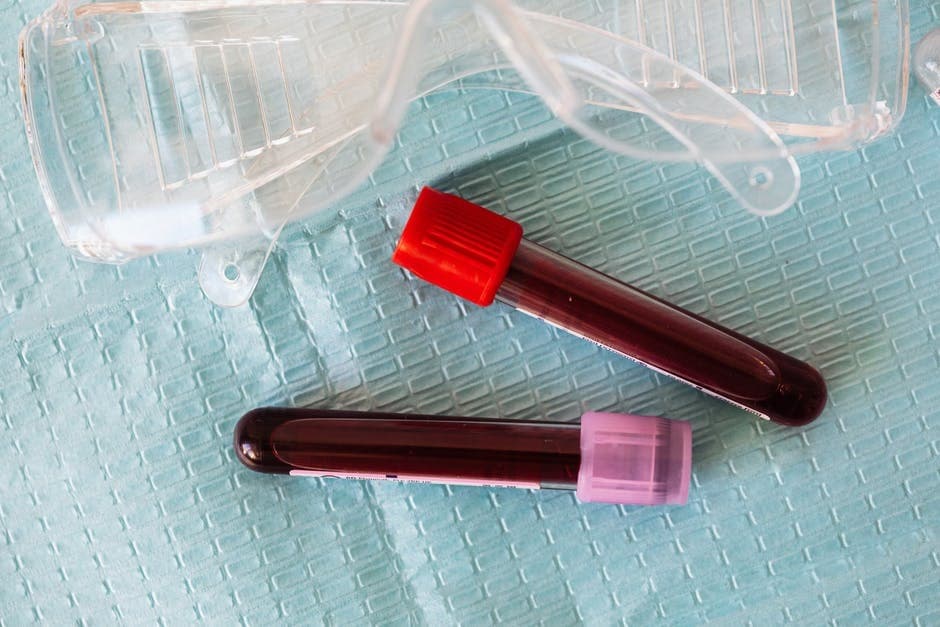
A Detailed Guide to Lipid Profile Test
What is a lipid profile test?
A lipid profile test is a blood test that measures cholesterol and triglycerides in your blood. A standard lipid panel usually includes total cholesterol, LDL cholesterol, HDL cholesterol and triglycerides. The results can help healthcare professionals assess cardiovascular risk, monitor cholesterol levels and determine whether further evaluation or treatment may be appropriate.
Key Takeaways
A lipid profile test is also commonly called a lipid panel or cholesterol test.
It generally measures total cholesterol, LDL cholesterol, HDL cholesterol and triglycerides.
High LDL and triglycerides, along with other risk factors, can increase cardiovascular risk.
Fasting is not required for every lipid test; follow the instructions provided by your healthcare professional.
There is no single lipid profile range that is appropriate for everyone. Results should be interpreted in the context of your overall health and cardiovascular risk.
If you prefer convenience, you can arrange a lipid profile blood test at home in Dubai through Valeo Health.
Table of Contents
What is a lipid profile test?
What does a lipid profile test measure?
Why is a lipid profile test done?
Who should get a lipid profile test?
Is a lipid profile the same as a lipid panel?
Does a lipid profile test require fasting?
How should you prepare for a lipid profile test?
How is a lipid profile test performed?
What is the normal range for a lipid profile?
What do lipid profile test results mean?
What can affect your lipid profile results?
How often should you get a lipid profile test?
Can you get a lipid profile test at home in Dubai?
Frequently Asked Questions
References
What is a lipid profile test?
A lipid profile test is a blood test used to measure different types of fats and cholesterol-related markers in your bloodstream.
You may also hear it called:
Lipid panel
Lipid panel test
Cholesterol test
Cholesterol panel
Lipid blood test
Fasting lipid profile
FLP test
The test is commonly used to screen for unhealthy cholesterol levels and to monitor people who already have abnormal lipid levels or cardiovascular risk factors.
The CDC also refers to a cholesterol check as a lipid profile or lipid panel.
Because high cholesterol often does not cause noticeable symptoms, testing can help identify elevated cholesterol that you may not otherwise know about.
What does a lipid profile test measure?
A standard lipid profile generally measures four main components:
Some laboratory reports may include additional calculations or markers, depending on the test ordered.
1. Total cholesterol
Total cholesterol represents the overall cholesterol measured in your blood.
It is useful as part of a lipid profile, but it should not be interpreted by itself. Your LDL, HDL, triglycerides and other cardiovascular risk factors also contribute to the overall assessment.
2. LDL cholesterol
LDL, or low-density lipoprotein cholesterol, is commonly referred to as "bad cholesterol."
When LDL levels are elevated, cholesterol can contribute to plaque buildup in the walls of blood vessels. Over time, this can increase the risk of cardiovascular conditions such as heart disease and stroke.
3. HDL cholesterol
HDL, or high-density lipoprotein cholesterol, is commonly called "good cholesterol."
HDL helps transport cholesterol away from the bloodstream and back toward the liver, where it can be processed. Higher HDL levels are generally associated with lower cardiovascular risk, although HDL should always be considered alongside the rest of the lipid profile.
4. Triglycerides
Triglycerides are a type of fat found in your blood. Your body stores excess energy as triglycerides.
High triglyceride levels can contribute to cardiovascular risk, particularly when combined with high LDL or low HDL levels. Very high triglycerides may also require medical assessment because of their association with pancreatitis.
Why is a lipid profile test done?
A healthcare professional may recommend a lipid profile test for several reasons.
1. Cholesterol screening
A lipid profile can identify elevated cholesterol levels, even when you have no symptoms.
2. Cardiovascular risk assessment
Cholesterol and triglyceride levels can provide important information when assessing your risk of cardiovascular disease.
3. Monitoring existing cholesterol problems
Why is a lipid profile test done?
A healthcare professional may recommend a lipid profile test for several reasons.
1. Cholesterol screening
A lipid profile can identify elevated cholesterol levels, even when you have no symptoms.
2. Cardiovascular risk assessment
Cholesterol and triglyceride levels can provide important information when assessing your risk of cardiovascular disease.
3. Monitoring existing cholesterol problems
If you have previously had high cholesterol or abnormal triglycerides, repeat testing can help monitor changes over time.
4. Monitoring treatment
People taking cholesterol-lowering medicines may need repeat lipid testing to assess their response to treatment.
5. Evaluating risk factors
A lipid profile may be particularly useful if you have other cardiovascular risk factors, such as high blood pressure, diabetes, smoking or a family history of cardiovascular disease.
Your healthcare professional will consider your lipid results alongside your age, family history, lifestyle and other health factors rather than relying on one cholesterol number alone.
4. Monitoring treatment
People taking cholesterol-lowering medicines may need repeat lipid testing to assess their response to treatment.
5. Evaluating risk factors
A lipid profile may be particularly useful if you have other cardiovascular risk factors, such as high blood pressure, diabetes, smoking or a family history of cardiovascular disease.
Your healthcare professional will consider your lipid results alongside your age, family history, lifestyle and other health factors rather than relying on one cholesterol number alone.
Who should get a lipid profile test?
The need for cholesterol testing varies from person to person.
You may be advised to have a lipid profile if you:
Have previously had high cholesterol
Have diabetes
Have high blood pressure
Have a family history of high cholesterol
Have a family history of early cardiovascular disease
Smoke
Have other cardiovascular risk factors
Are taking cholesterol-lowering medication
Have already been diagnosed with cardiovascular disease
Children and adolescents may also need cholesterol screening in certain circumstances, particularly when risk factors or family history are present.
Your healthcare professional can recommend when you should begin testing and how frequently you should repeat it.
Is a lipid profile the same as a lipid panel?
Yes, in most cases.
The terms lipid profile, lipid panel, cholesterol panel and lipid test are commonly used to describe blood testing that measures cholesterol and triglycerides.
You may also see FLP test, which generally refers to a fasting lipid profile.
The exact measurements included can vary depending on the laboratory and the test ordered.
Does a lipid profile test require fasting?
Not always.
Some lipid tests can be performed without fasting. In other situations, your healthcare professional may ask you to fast before the blood sample is collected.
If fasting is required, the CDC notes that you may be asked to fast for approximately 8–12 hours before a cholesterol test. Follow the specific instructions given by your healthcare professional or laboratory.
What does fasting mean?
If you have been instructed to fast, you will generally need to avoid food and calorie-containing drinks for the specified period.
Do not assume that every lipid profile requires fasting. Always follow the instructions provided for your particular test.
How should you prepare for a lipid profile test?
Your preparation depends on whether your healthcare professional has requested a fasting or non-fasting test.
If you have been instructed to fast:
Follow the specified fasting period.
Ask your healthcare professional whether you can take your usual medicines.
Drink water if permitted by your testing instructions.
Avoid eating during the fasting period.
Tell the healthcare professional if you accidentally eat or drink something that was not permitted.
For a more detailed preparation guide, see Valeo Health's step-by-step guide to preparing for an at-home lipid panel blood test.
The important point is to follow the instructions for your specific test, rather than assuming that every lipid profile has identical preparation requirements.
How is a lipid profile test performed?
A lipid profile is generally performed using a blood sample.
During a blood draw:
A healthcare professional identifies a suitable vein.
The skin is cleaned.
A needle is inserted into the vein.
A small amount of blood is collected.
The needle is removed.
Pressure is applied to the area and a small dressing may be placed.
The collected sample is then sent to a laboratory for analysis. Cleveland Clinic notes that the blood collection itself is generally a quick procedure.
For people who prefer not to travel to a clinic, professional home blood collection is another option.
What is the normal range for a lipid profile?
There is no single lipid profile result that is considered "normal" for every person.
However, commonly used desirable levels for adults include:
These are general reference points, not personal treatment targets. Cleveland Clinic lists these levels as ideal levels for the standard lipid panel measurements.
The CDC provides similar reference information but also emphasizes that cholesterol results should be considered together with other factors affecting cardiovascular risk.
Why isn't there one normal range for everyone?
Your ideal cholesterol levels can depend on factors such as:
Age
Existing cardiovascular disease
Diabetes
Blood pressure
Family history
Smoking
Other medical conditions
Current medications
Overall cardiovascular risk
For this reason, don't interpret your lipid profile based only on whether a number is above or below a general reference range.
What do lipid profile test results mean?
Your lipid profile report usually shows each measurement alongside a reference range or interpretation provided by the laboratory.
High total cholesterol
A high total cholesterol result may indicate increased cardiovascular risk, but total cholesterol should be considered alongside LDL, HDL, triglycerides and your overall risk profile.
High LDL cholesterol
Higher LDL levels can contribute to plaque buildup in arteries and increase cardiovascular risk.
Low HDL cholesterol
Lower HDL can be associated with increased cardiovascular risk. However, raising HDL alone is not the primary treatment goal; your overall lipid profile and cardiovascular risk are more important.
High triglycerides
High triglycerides may increase cardiovascular risk, particularly when combined with other unfavorable lipid levels. Very high triglycerides need medical attention because of the risk of pancreatitis.
What if your result is abnormal?
An abnormal lipid profile does not automatically mean that you have heart disease.
Your healthcare professional may consider your results together with your medical history and other risk factors before deciding whether you need:
Repeat testing
Dietary changes
Increased physical activity
Weight management
Smoking cessation
Treatment for another underlying condition
Cholesterol-lowering medication
Do not start, stop or change medication based solely on a laboratory result without medical advice.
What can affect your lipid profile results?
Several factors can influence cholesterol and triglyceride measurements.
These can include:
Diet
Physical activity
Weight
Smoking
Alcohol consumption
Certain medications
Diabetes
Thyroid conditions
Genetics
Family history
Other medical conditions
Valeo Health also has a dedicated guide covering 5 key factors that can influence your lipid profile results.
Understanding these factors can help your healthcare professional interpret your results more accurately.
How often should you get a lipid profile test?
There is no universal testing schedule that applies to everyone.
How often you need a lipid profile depends on factors such as:
Your age
Previous cholesterol results
Family history
Diabetes
Blood pressure
Smoking
Cardiovascular disease
Cholesterol-lowering treatment
Other risk factors
The CDC recommends discussing your testing frequency with your healthcare team.
If you are already being treated for high cholesterol, your healthcare professional may recommend testing more frequently to monitor your response to treatment.
Can you get a lipid profile test at home in Dubai?
Yes. A lipid profile test at home in Dubai can be a convenient option if you prefer professional sample collection without travelling to a clinic.
Valeo Health provides home blood testing services in Dubai, with healthcare professionals visiting your chosen location to collect samples.
You can book a lipid profile blood test in Dubai through Valeo Health.
Valeo also offers a broader lab testing service at home in Dubai.
What are the benefits of a lipid profile test at home?
Home testing can be useful for people who want to make routine health monitoring more convenient.
Potential benefits include:
No need to travel to a clinic
Professional sample collection at home
Greater scheduling convenience
Less time spent waiting at a facility
A more comfortable testing environment
Convenient access to other home blood testing services
Valeo Health currently offers multiple blood testing options through its home healthcare service.
When should you speak to a healthcare professional?
Consider discussing your lipid profile with a healthcare professional if:
Your LDL or triglycerides are elevated.
You have repeatedly abnormal cholesterol results.
You have diabetes or high blood pressure.
You have a strong family history of high cholesterol or early cardiovascular disease.
You are taking cholesterol-lowering medication.
You are unsure how to interpret your report.
You have questions about how frequently you should be tested.
Your healthcare professional can interpret your results in the context of your complete health history rather than relying on a single number.
Get a Lipid Profile Test at Home with Valeo Health
Keeping track of your cholesterol and triglyceride levels can be an important part of understanding your cardiovascular health.
If you are looking for a convenient lipid profile test in Dubai, Valeo Health can arrange professional blood sample collection at your preferred location.
Book your lipid profile blood test in Dubai or explore lab tests at home in Dubai.
References
CDC — Testing for Cholesterol
CDC — About Cholesterol
CDC — LDL and HDL Cholesterol and Triglycerides
Cleveland Clinic — Lipid Panel: What It Is, Purpose & Results
Related Valeo Health Articles
Continue learning about lipid testing and cholesterol: