

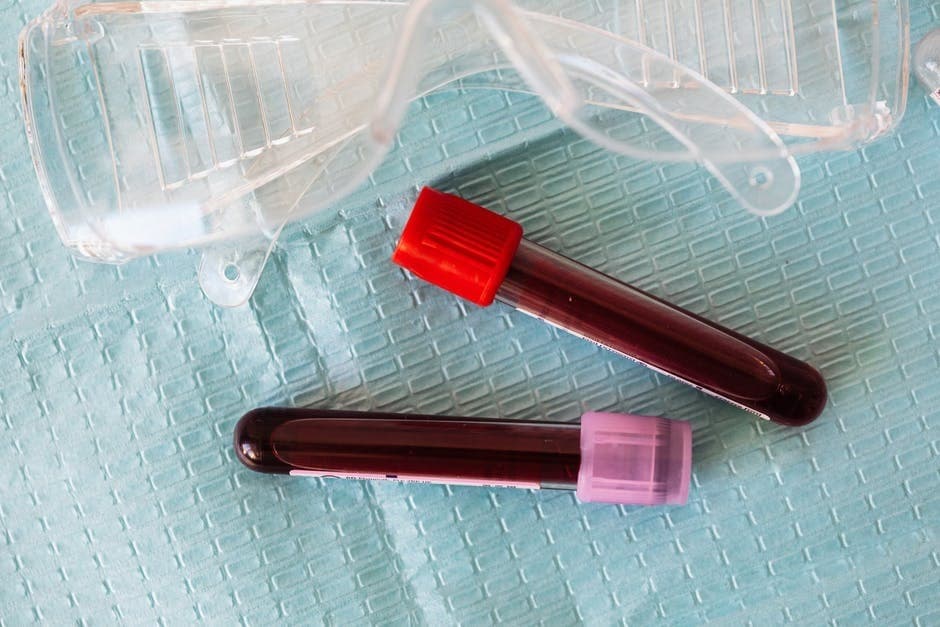
How to Naturally Improve Your Lipid Profile Before Taking the Test
A lipid profile test is an essential diagnostic tool that helps monitor your cholesterol levels and assess your risk of developing cardiovascular diseases. If you have a test coming up, you might wonder how to improve your lipid profile naturally. The good news is that simple lifestyle changes can make a significant difference.
Natural healthy habits are always ideal for addressing health issues, whether it's high cholesterol levels, diabetes, heart health, or more. By embracing a balanced lifestyle, you can manage and often improve these conditions, promoting overall well-being and longevity.
If you are getting a lipid profile test in Dubai for the first time, adopting a healthy lifestyle can help you manage your test results. In this blog, we'll explore practical steps you can take to naturally improve your lipid profile before taking the test.
Understanding the Lipid Profile
Before diving into the natural ways to improve your lipid profile, it’s important to understand what it measures. A lipid profile typically includes:
● Total Cholesterol: The sum of all the cholesterol in your blood.
● Low-Density Lipoprotein (LDL) Cholesterol: Often referred to as "bad" cholesterol, high levels can lead to plaque buildup in arteries.
● High-Density Lipoprotein (HDL) Cholesterol: Known as "good" cholesterol, it helps remove LDL cholesterol from your arteries.
● Triglycerides: A type of fat found in your blood; high levels can increase your risk of heart disease and other health issues.
10 Major Practical Tips Before Getting a Lipid Profile Test in Dubai
In this section, we'll explore ten practical tips to consider before getting your lipid profile test. These natural and effective strategies can help you achieve better results and support your overall health!
1. Adopt a Heart-Healthy Diet
The most effective way to improve your lipid profile is through your diet. Here are some dietary changes to consider for better results:
a. Increase Your Intake of Fiber-Rich Foods
Soluble fiber, found in foods like oats, beans, lentils, fruits, and vegetables, can help reduce the absorption of cholesterol in your bloodstream. Incorporating these foods into your diet can help lower your LDL cholesterol levels.
b. Choose Healthy Fats
Not all fats are bad for you. Replacing saturated fats (found in red meat, butter, and full-fat dairy products) with unsaturated fats (found in olive oil, avocados, nuts, and fatty fish) can help improve your cholesterol levels. Fatty fish like salmon, mackerel, and sardines are particularly beneficial as they are rich in omega-3 fatty acids, which help lower triglycerides.
c. Limit Your Intake of Trans Fats
Trans fats, often found in processed foods, baked goods, and fried foods, can raise your LDL cholesterol and lower your HDL cholesterol. To improve your lipid profile, it’s essential to avoid or minimize your intake of trans fats.
d. Incorporate Plant Sterols and Stanols
Plant sterols and stanols are naturally occurring substances found in small amounts in many fruits, vegetables, nuts, seeds, and legumes. They can help block the absorption of cholesterol in your intestines, thus lowering your LDL cholesterol. Some fortified foods, such as certain margarines and orange juices, also contain added plant sterols and stanols.
2. Engage in Regular Physical Activity
One essential habit you should never overlook is incorporating daily physical activity into your routine. This plays a vital role in enhancing your lipid profile. Here's how exercise can make a difference:
a. Increase HDL Cholesterol:
Regular exercise, especially aerobic activities like walking, jogging, swimming, or cycling, can raise your HDL cholesterol levels. Higher HDL levels are beneficial because they help remove LDL cholesterol from your bloodstream.
b. Lower LDL Cholesterol and Triglycerides
Exercise can also help lower your LDL cholesterol and triglyceride levels. Aim for at least 150 minutes of moderate-intensity aerobic activity or 75 minutes of vigorous-intensity aerobic activity each week. Even adding small amounts of physical activity into your daily routine, like taking the stairs instead of the elevator or going for a brisk walk during your lunch break, can make a difference.
3. Maintain a Healthy Weight
Carrying excess weight can negatively impact your lipid profile test results. Losing even a small amount of weight can help lower your LDL cholesterol and triglycerides while raising your HDL cholesterol. Focus on adopting a balanced diet and engaging in regular physical activity to achieve and maintain a healthy weight.
4. Quit Smoking
If you smoke, quitting can significantly improve your lipid profile and overall heart health. Smoking lowers your HDL cholesterol levels and increases your risk of developing heart disease. Quitting smoking can raise your HDL cholesterol and improve your blood circulation, reducing your risk of cardiovascular problems.
NOTE: Consider quitting smoking, as it is detrimental to your health in many ways!
5. Limit Alcohol Consumption
While moderate alcohol consumption has been linked to higher HDL cholesterol levels, excessive drinking can lead to high triglycerides and other health issues. If you choose to drink alcohol, do so in moderation—no more than one drink per day for women and two drinks per day for men.
NOTE: It's not a healthy habit, so it's best to work on quitting it as soon as possible!
6. Manage Stress
Chronic stress can adversely affect your lipid profile by causing your body to release hormones like cortisol, which can elevate cholesterol and triglyceride levels. Managing stress through techniques such as meditation, deep breathing, yoga, or spending time with loved ones can significantly improve your lipid profile. At Valeo Health, we offer stress management resources and convenient home blood tests in Dubai to help you stay on track with your health goals.
7. Get Enough Sleep
Sleep is essential for overall health, including your lipid profile. Poor sleep patterns have been linked to higher LDL cholesterol and triglyceride levels. Aim for 7-9 hours of quality sleep each night to support your heart health.
8. Consider Natural Supplements
Certain natural supplements may help improve your lipid profile, but it’s essential to consult with your healthcare provider before starting any new supplements. Some supplements to consider include:
● Fish Oil: Rich in omega-3 fatty acids, fish oil can help lower triglycerides and may have a modest effect on raising HDL cholesterol.
● Psyllium Husk: A soluble fiber supplement that can help lower LDL cholesterol when taken regularly.
● Niacin: Also known as vitamin B3, niacin can help raise HDL cholesterol levels. However, it’s important to take it under medical supervision as high doses can cause side effects.
9. Stay Hydrated
Staying hydrated is essential for overall health and can indirectly support a healthy lipid profile. Drinking plenty of water helps your body function optimally and can aid in weight management, which in turn can positively impact your cholesterol levels.
10. Plan Your Test Wisely
If you’ve made lifestyle changes to improve your lipid profile, it’s important to plan your test thoughtfully. Schedule your lipid profile test in Dubai with us a few weeks or even months after implementing these all lifestyle changes. This allows your body ample time to adjust and ensures that your test results accurately reflect your improvements.
Final Thoughts
Improving your lipid profile naturally before your test is both achievable and advantageous for your overall health. By following the practical tips outlined—such as:
➔ maintaining a heart-healthy diet
➔ engaging in regular physical activity
➔ maintaining a healthy weight
➔ making other positive lifestyle changes
You can effectively manage your cholesterol levels and lower your risk of heart disease. Keep in mind that these fundamental changes not only help with your upcoming test but also lay the groundwork for a healthier future.
For more information about our home blood test in Dubai – visit: www.feelvaleo.com.