

5 Key Factors That Influence Your Lipid Profile Results
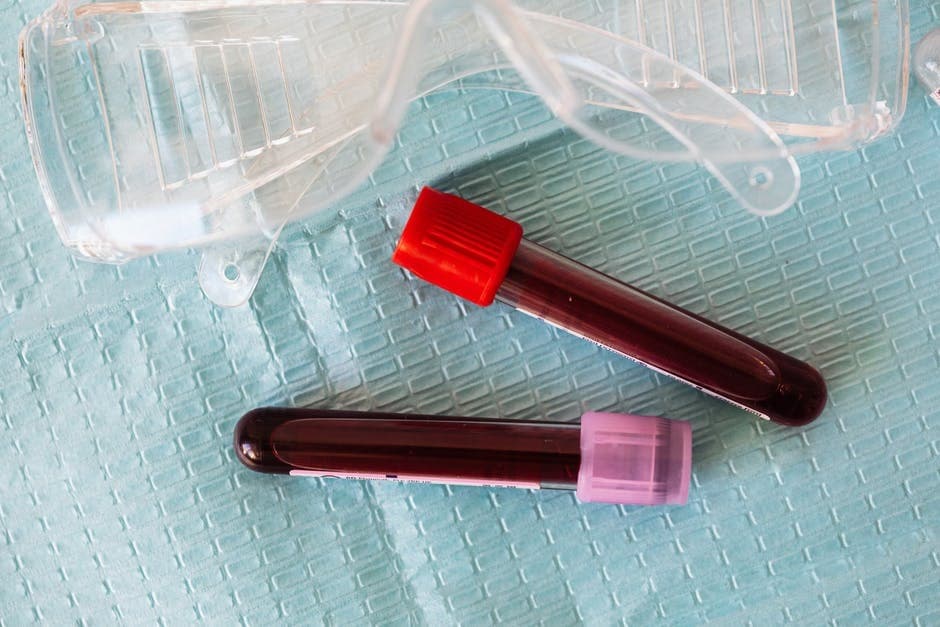
A lipid panel or lipid profile is a simple and common blood test which is used by healthcare professionals to monitor or screen the risk of cardiovascular disease. This test measures the lipid panel which includes serum triglycerides, total cholesterol, HDL and LDL cholesterol. With these markers you can know if you have an issue of heart disease, a heart attack, or a stroke.
That’s why, at Feelvaleo, we emphasize that understanding your lipid profile results is crucial to knowing the source behind your cardiovascular health. However, your lipid profile can be affected by various factors that can influence your results apart from your diet and exercise routine.
In this article, we will deep dive into the five key factors that significantly impact your lipid profile test Dubai. Also, our experts offer valuable insights and facts that help you to optimize your cardiovascular health and overall well-being.
1. Lifestyle Factors and Lipid Profile
Here are some three major factors that can affect your lipid profile test results.
A. Dietary Habits and Lipid Profile
A balanced diet plays a central role in maintaining healthy lipid levels. By incorporating certain ingredients into the meal, like omega-3 fatty acids which are found in fish, nuts, and seeds. These elements can help lower triglyceride levels and raise HDL cholesterol, the "good" cholesterol. Contrariwise, diets high in saturated and trans fats can raise LDL cholesterol, which increases cardiovascular risk.
B. Physical Activity and Lipid Profile
The next important effect is regular physical activity, which not only helps to control weight but also has a positive effect on the lipid profile. With proper exercise, you can raise HDL cholesterol and lower triglycerides and LDL cholesterol. At Feelvaleo, we recommend that you aim for at least 150 minutes of moderate-intensity exercise per week to get these benefits. But if you have a medical history such as joint or back pain, always make optimized plans with your gym planner.
C. Smoking and Lipid Profile
Smoking negatively affects fatty acid or lipid metabolism, which causes adverse changes in cholesterol levels. It lowers HDL cholesterol and promotes oxidation of LDL cholesterol, which contributes to atherosclerosis and heart disease. Quitting smoking can improve your lipid profile and significantly reduce your risk of cardiovascular disease – and yes, smoking, whether it's vaping or e-cigarettes, is both dangerous.
2. Genetics and Lipid Profile
Now, let’s look into the genetic roles in the lipid profile, from influence to healthy precautionary measures.
A. Family History and Lipid Profile
Genetics play an important role in determining your lipid profile. If you have a family history of high cholesterol or cardiovascular disease, you may be predisposed to similar lipid abnormalities - that's why you should get a regular lipid profile test Dubai. This will help you understand your genetic risk and allow you to take proactive steps to effectively manage your lipid profile.
B. Genetic Disorders and Lipid Profile
Sometimes genetic disorders, like familial hypercholesterolemia, can cause extremely high cholesterol levels from birth. People with these disorders often require early intervention and very aggressive treatment strategies, including medications and lifestyle changes, to prevent cardiovascular complications. In this area, we always advise our clients to contact their doctors to better manage their cholesterol levels.
3. Medical Conditions and Lipid Profile
Sometimes, various medical conditions affect your lipid panel. Here we have covered two of the most common, obesity and diabetes.
A. Obesity and Lipid Profile
Obesity is closely linked to dyslipidemia, characterized by high triglycerides, low HDL cholesterol, and elevated LDL cholesterol. Excess body fat, especially abdominal fat, triggers metabolic changes that contribute to adverse lipid levels. Weight loss through dietary changes and increased physical activity can help normalize lipid profile – always consult with your physician/nutritionist for better recommendations for weight loss journey.
B. Diabetes and Lipid Profile
The second major medical condition that affects your test result is Diabetes, particularly type 2 diabetes. This profoundly impacts lipid metabolism, leading to dyslipidemia and increased cardiovascular risk. And the high blood sugar levels promote the formation of small, dense LDL particles, which are more atherogenic. Tight glycemic control, along with lipid-lowering medications if necessary, is essential for managing diabetic dyslipidemia.
Quick Suggestion: If you are a diabetic patient and looking for a ‘blood test near me’ on Google – get them from Feelvaleo. We are the top-rated healthcare service provider in the UAE, and offer affordable blood testing and medications.
4. Medications and Lipid Profile
Now, let’s explore the role of medication in affecting the lipid profile test results!
A. Statins and Lipid Profile
Statins are the cornerstone of lipid-lowering therapy and are effective in reducing LDL cholesterol and cardiovascular events in your body. These drugs inhibit HMG-CoA reductase, a key enzyme involved in cholesterol synthesis, thereby lowering blood cholesterol levels. However, statins can also slightly raise HDL cholesterol. Statins are very effective and safe for most people, but they also cause muscle pain, digestive problems, mental fog and more.
B. Other Medications and Lipid Profile
Numerous other solutions are there, such as beta-blockers, diuretics, and verbal contraceptives, that can influence the lipid metabolism and influence lipid profile results. It is important to discuss the possible effects of medications with your doctor and check your lipid levels regularly, especially if you are on long-term medications.
5. Hormonal Factors and Lipid Profile
Lastly, your lipid profile test results can get influenced by hormonal imbalance in your body.
A. Menopause and Lipid Profile
During menopause, hormonal changes can alter fat metabolism, causing adverse changes in lipid levels. Declining estrogen levels, which are associated with higher LDL cholesterol and lower HDL cholesterol levels, increase cardiovascular risk in postmenopausal women. Many doctors recommend hormone replacement therapy because it can help alleviate these effects, but requires careful consideration of the risks and benefits.
B. Thyroid Disorders and Lipid Profile
Thyroid hormones play a vital role in fat metabolism, and thyroid disorders can disrupt the balance of the lipid profile. Hypothyroidism is often associated with elevated LDL cholesterol and triglycerides, while hyperthyroidism may lead to decreased LDL cholesterol and HDL cholesterol levels. Optimal thyroid function is essential for maintaining a healthy lipid profile.
Conclusion
If you develop new risk factors for cardiovascular disease, contact your doctor. They may need to undergo a lipid profile test or, more commonly, a lipid panel screening.
For booking an affordable blood testing service -- reach out to us via the website or app