

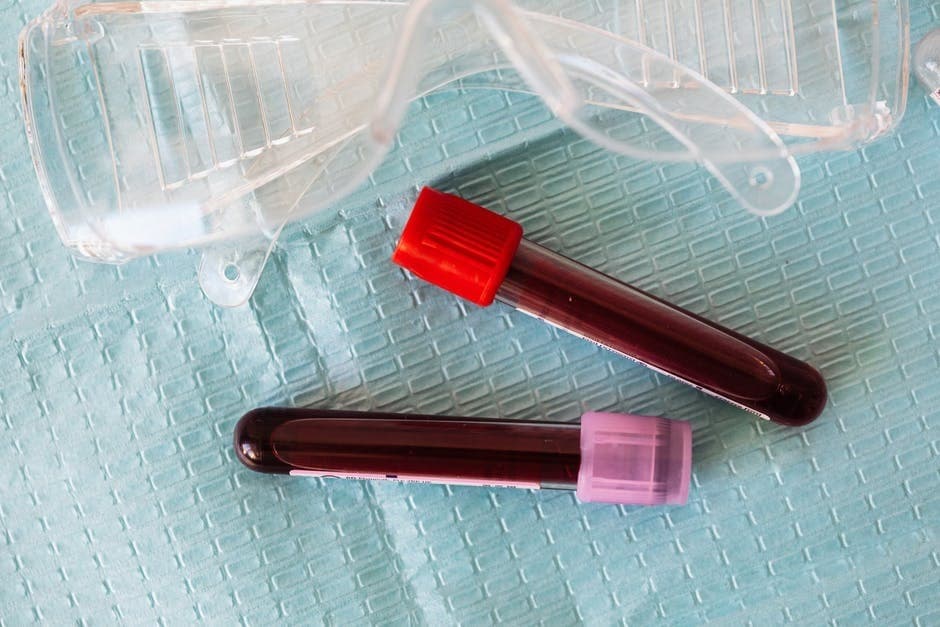
What Tests Are Done in Lipid Profile Test?
Maintaining optimal health involves understanding various aspects of our body's functioning, including lipid levels.
Lipids, commonly known as fats, play crucial roles in our body, from providing energy to forming cell membranes. Monitoring lipid levels through a lipid profile test is vital for assessing cardiovascular health and reducing the risk of heart disease.
In this blog, you'll dive into the components of a lipid profile test, their significance, and what the results indicate.
What is a Lipid Profile Test?
A lipid profile test, also known as a lipid panel or cholesterol panel, is a blood test that measures various types of lipids and lipid-associated molecules in the bloodstream.
Lipids tested typically include total cholesterol, low-density lipoprotein (LDL) cholesterol, high-density lipoprotein (HDL) cholesterol, and triglycerides. These measurements provide valuable insights into an individual's risk of developing cardiovascular diseases like atherosclerosis, heart attack, and stroke.
Let's say you live in the UAE and are looking for a reliable source to get your lipid profile tested in Dubai at the comfort of your home, then visit Valeo Health. We provide the best service and even at an affordable price.
Components of a Lipid Profile Test
A lipid profile test has 4 main components that help the doctor assess the role in our body from providing energy to forming cell membranes.
1. Total Cholesterol
Total cholesterol is the sum of the different types of cholesterol in the blood. It includes LDL cholesterol, HDL cholesterol, and a small fraction of very-low-density lipoprotein (VLDL) cholesterol. Total cholesterol levels are an essential marker of cardiovascular health, with high levels indicating an increased risk of heart disease.
2. Low-Density Lipoprotein (LDL) Cholesterol
LDL cholesterol is often referred to as "bad" cholesterol because it can contribute to the buildup of plaque in the arteries, leading to atherosclerosis and increasing the risk of heart disease. Elevated LDL cholesterol levels are a significant risk factor for cardiovascular problems.
3. High-Density Lipoprotein (HDL) Cholesterol
HDL cholesterol is often called "good" cholesterol because it helps remove LDL cholesterol from the bloodstream, reducing the risk of plaque buildup and cardiovascular disease. The risk of heart disease is reduced when HDL cholesterol levels are high.
4. Triglycerides
Triglycerides are a type of fat found in the blood and are stored in fat cells for energy. Elevated triglyceride levels are associated with an increased risk of heart disease, especially when accompanied by low HDL cholesterol levels and high LDL cholesterol levels.
At Valeo Health, doctors always recommend a simple home blood test in Dubai to check your blood levels. If they find a need for other blood or non-blood tests, our team will guide you accordingly.
For more details - call us at +97148369592.
Understanding Lipid Profile Results
Interpreting the results of a lipid profile test involves assessing the levels of each lipid component in relation to established guidelines for cardiovascular health.
Here's a brief overview of what different lipid profile results may indicate:
1. Desirable Levels:
● Total cholesterol: Less than 200 mg/dL
● LDL cholesterol: Less than 100 mg/dL
● HDL cholesterol: 60 mg/dL or higher
● Triglycerides: Less than 150 mg/dL
2. Borderline High Levels:
● Total cholesterol: 200-239 mg/dL
● LDL cholesterol: 130-159 mg/dL
● HDL cholesterol: 40-59 mg/dL
● Triglycerides: 150-199 mg/dL
3. High Levels (Increased Risk of Heart Disease):
● Total cholesterol: 240 mg/dL or higher
● LDL cholesterol: 160 mg/dL or higher
● HDL cholesterol: Less than 40 mg/dL
● Triglycerides: 200 mg/dL or higher
Where to Find the Best Blood Testing Services in Dubai?
If you are looking for the best blood test services, like CBC blood test, liver function test or lipid profile test Dubai, call us on +97148369592 and book an appointment with us. Our expert team will visit at your given address to collect the blood sample!
For more details, visit www.feelvaleo.com
Conclusion
Regular lipid profile testing is important to assess cardiovascular health and identify people at risk for heart disease.
Understanding the components of a lipid profile test, including total cholesterol, LDL cholesterol, HDL cholesterol, and triglycerides, along with interpreting the results, can guide healthcare professionals in implementing appropriate interventions to reduce the risk of cardiovascular problems.
By monitoring and managing lipid levels effectively, individuals can take proactive steps towards maintaining a healthy heart and overall well-being.