

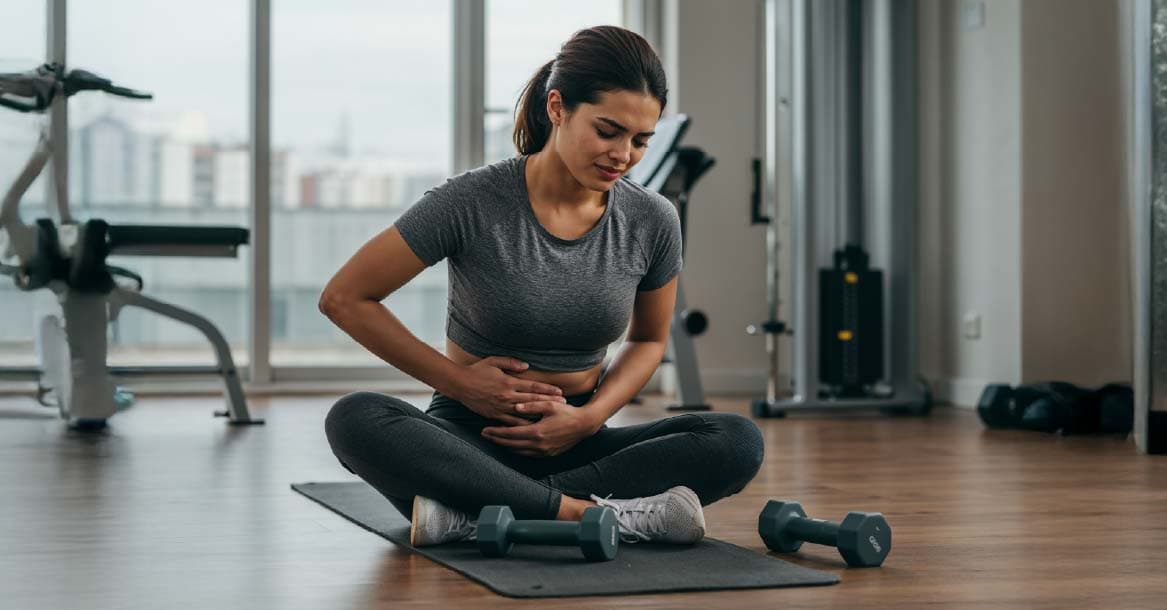
Exercise & Fitness Tips for Women with PCOS
PCOS, or Polycystic Ovary Syndrome, is often thought of as only a reproductive disorder, but in reality, it affects nearly 1 in 5 women worldwide and is linked to a wide range of health complications. Unfortunately, many women are either unaware of the condition or unsure how to manage it effectively.
One of the most powerful and often overlooked tools for managing PCOS is exercise. While regular movement is important for everyone, it becomes even more critical for women with PCOS. A sedentary lifestyle can contribute to fat accumulation and increase the risk of obesity, type 2 diabetes, and cardiovascular disease.
That is why making exercise a consistent part of your weekly routine is a must if you have been diagnosed with PCOS. The good news? Not all workouts are created equal. Certain exercises can help balance hormones, support weight management, and improve overall health, all without spiking cortisol levels.
Let’s explore the best PCOS exercises and how you can build a PCOS fitness plan that works for you.
What is PCOS?
Polycystic ovary syndrome (PCOS) is a common health condition where women have hormone imbalances that affect their ovaries and can lead to infertility, obesity, and insulin resistance. The common signs & symptoms are irregular periods, trouble getting pregnant, acne, unwanted hair growth on the face or body, and weight gain—especially in the belly. PCOS affects about 6-13% of women of reproductive age worldwide, though many never get a diagnosis or aren’t even aware of it.
How Important Is Exercise for Women With PCOS?
Exercise is extremely important for women with PCOS because it addresses several underlying issues of the condition beyond just weight management. Some of the benefits of exercise for women with PCOS include:
- Exercise improves insulin sensitivity, helping the body use insulin better and reducing the risk of type 2 diabetes in PCOS.
- It supports weight management by burning calories, building lean muscle, and speeding up metabolism, which reduces PCOS symptoms.
- Exercise releases endorphins, which improve mood and reduce anxiety and depression often associated with PCOS.
- Types of beneficial exercises include cardiovascular workouts, strength training, and mind-body practices (such as yoga), all tailored to individual preferences and fitness levels.
Best Exercises for Women With PCOS
While any kind of movement is good for the body, there are some exercises that benefit women with PCOS without spiking their cortisol levels, which are:
1. Aerobic (Cardio)
Activities like brisk walking, jogging, cycling, swimming, or dancing improve cardiovascular health, aid fat loss, and enhance insulin sensitivity. Aim for at least 30 minutes of moderate-intensity aerobic exercise 3-5 times a week.
2. High-intensity interval training (HIIT)
Short bursts of intense exercise followed by rest periods increase metabolism and insulin sensitivity more efficiently in less time. HIIT is especially helpful for women who struggle with time constraints and need faster results.
3. Strength training
Resistance exercises such as weightlifting, bodyweight exercises, or resistance bands build muscle, which increases resting metabolic rate and helps control blood sugar. It also supports healthy body composition changes.
4. Low intensity exercises
Yoga and pilates are low intensity exercises and help in reducing stress and support hormonal balance by lowering cortisol levels. These exercises improve mental well-being, which is important in managing PCOS symptoms.
5. Consistency and enjoyment
Exercises that women enjoy and can do regularly have the best long-term benefits. Mixing different types based on preferences, fitness level, and physical limitations helps maintain motivation and adherence.
Fitness Tips to Work With PCOS
Before making your PCOS workout plan, there are some fitness tips you should know to work around with PCOS. Some of those PCOS fitness tips are:
1. Prioritize consistency over intensity
Regular moderate exercise (like walking or swimming) is more sustainable and effective than occasional intense workouts. Aim for at least 150 minutes of moderate activity weekly to improve insulin sensitivity and hormonal balance. You don’t have to be harsh on yourself in order to see results.
2. Listen to your body and rest when needed
PCOS can make recovery slower; ensure you get adequate rest and avoid overtraining. Types of exercise and intensity should be personalized to your energy levels and any other health conditions. Do not compare your journey to other people’s journeys.
3. Combine exercise with nutritional changes
Fitness benefits are maximized when paired with a balanced diet rich in whole foods, healthy fats, and lean proteins to support metabolic health and hormone balance. It is often said that fitness is 80% nutrition and 20% exercise. Therefore, it is important to give importance to food as much as you do to exercise.
4. Seek support and accountability
Joining exercise groups, working with fitness coaches familiar with PCOS, or pairing workouts with friends can enhance adherence and enjoyment. It is important to educate yourself about different types of exercise and start with the one that you enjoy the most. Moreover, building accountability takes time, so joining relevant communities and groups can help you take charge of your health.
Support your PCOS with Valeo Health
It can be difficult to navigate your PCOS journey when there is so much information being circulated around on social media and the internet. Therefore, it is important to get the right kind of support and guidance which helps you reach your health goals sustainably, without any shortcuts.
To support you in your PCOS journey, Valeo Health coaches help you with a meal plan, personalised health tips, build a PCOS workout plan, and look into the root cause of your problem to give you the best possible solution. Book your session today and start your PCOS journey the safe and proven way.
FAQs
1. Can exercise cure PCOS?
No, exercise cannot cure PCOS, but it can significantly reduce symptoms. Regular physical activity helps improve insulin sensitivity, balance hormones, manage weight, and improve mood, making PCOS easier to manage.
2. How often should women with PCOS exercise?
Ideally, you should aim for at least 150 minutes of moderate exercise per week (about 30 minutes, 3-5 days a week). A mix of cardio, strength training, and mind-body practices works best.
3. Is intense exercise bad for PCOS?
Not necessarily, but overtraining or doing only high-intensity workouts can increase cortisol, and testosterone which may worsen PCOS symptoms. Balance is key, therefore, pair moderate activity with occasional HIIT sessions.
4. What exercises should be avoided with PCOS?
There are no specific “bad” exercises, but women with PCOS should avoid pushing themselves into chronic overtraining or relying solely on high-intensity workouts without proper rest and recovery.
5. Can exercise improve fertility in PCOS?
Yes. Exercise helps regulate ovulation, balance hormones, and improve insulin resistance — all of which can increase the chances of conception for women with PCOS.
6. What is the best time of day to exercise with PCOS?
There is no one-size-fits-all. Some prefer mornings for energy and consistency, while others find evenings more convenient. The key is choosing a time you can stick with regularly.
7. Can yoga really help with PCOS?
Yes. Yoga reduces stress and cortisol levels, improves blood flow, supports hormonal balance, and helps with mental well-being — all of which are crucial in managing PCOS symptoms.
8. How long before I see results from exercise for PCOS?
This varies by individual, but many women start noticing improvements in energy, mood, and cycle regularity within 6–12 weeks of consistent exercise combined with healthy nutrition.
9. Should I consult a doctor before starting an exercise plan for PCOS?
Yes, especially if you have other health conditions like diabetes, obesity, or cardiovascular concerns. A doctor or a certified health coach can help personalize your fitness plan safely.
10. How important are nutritional changes compared to exercise for PCOS?
Both exercise and nutrition play a vital role in managing PCOS. A balanced diet that stabilizes blood sugar, reduces processed foods, and includes lean proteins, healthy fats, and fiber can improve insulin resistance and hormone balance. Ideally, both exercise and nutritional change go hand-in-hand for best results.