



Insulin Resistance as a root cause behind Chronic Diseases
Many natural biological processes in our bodies, such as breathing, digesting food, metabolizing alcohol and drugs, and turning fats into energy, produce harmful compounds called free radicals. Free radicals are usually destroyed by our body’s natural antioxidant system. If this system an not cope properly, free radicals can trigger a negative chain reaction in the body, a reaction that can destroy the cell membrane, block the action of major enzymes, prevent cellular processes necessary for proper functioning of the body, prevent normal cell division, destroy deoxyribonucleic acid (DNA), and block energy generation (Kurutas, 2015).
Oxidative stress is reported to associate with the development of several metabolic, chronic disorders or cancers (Finkel and Holbrook, 2000; Reuter et al., 2010; Aminjan et al., 2019).
In this article, we explore what oxidative stress is, how it affects the body, and how to reduce it.
What is oxidative stress?
Oxidative stress can occur when there is an imbalance of free radicals and antioxidants in the body.
The body’s cells produce free radicals during normal metabolic processes. However, cells also produce antioxidants that neutralize these free radicals. In general, the body is able to maintain a balance between antioxidants and free radicals.
There are some known reasons why we develop insulin resistance. The most common are:
- Sedentary lifestyle and not having enough functional movement spread across a day.
- Food that spikes glucose and insulin too much and eating such food frequently.
- Chronic stress puts our body in survival mode so the body starts storing more.
- Hormones disbalance, low-degree infections, and inflammations in our body.
Why knowing about insulin resistance is important:
- Once we develop insulin resistance, the same food which supposed to give us energy fails to give us enough energy, rather glucose starts converting to glycogen and starts converting to fats and starts storing in the liver and body.
- Insulin is a hormone that facilitates other functions too, too much insulin in the blood will over-sensitize those biochemical processes in our body.
- People with high insulin tend to get more kidney infections, have low immunity, gain unwanted weight, develop fatty livers, develop high blood pressure, and many more over a period of time.
So, how do you check if you may have Insulin Resistance? What are the signs:
- Have more fat around your belly?
- Have high blood pressure or blood triglycerides?
- Have a family history of heart disease, Insulin resistance, or type 2 diabetes?
- Have patches of darker-color skin or little bumps of skin (“skin tags”) at your neck, armpits, or other areas?
- Have polycystic ovarian syndrome (PCOS; for women) or erectile dysfunction (for men)?
- Have fatigue even after eating a meal or have frequent urination.
Clinically proven hacks to control and reverse Insulin resistance.
- Exercise and functional movement: To make our cells insulin sensitive, we need to burn glucose stored inside them, exercise and functional movement spread across the day help a lot. You can pick 10k steps a day as your routine which is standard and works.
- No sugary milk tea, no fruits, and no sweet things in breakfast: You are by default a little insulin resistant in the morning. High-carb breakfast will give you a lot of glucose in the blood which will not go inside cells and keep circulating for long, this will make you more insulin-resistant.
- Eating order: Eat your salad vegetables first then protein and fats and then your carbs. This is proven to give much fewer glucose spikes. Vegetables have natural fiber which slows down glucose absorption.
- Healthy Fats: You need healthy fats but not fried food. Because you don’t eat healthy fats that make you crave fried food. Fried food is made with oil reaching high temperatures like 180-220C where even starch and fiber break down and become simple sugars. Feed your body with healthy fats from nuts, peanuts, cashews, avocados, olives, and fatty fish.
- Anti-Inflammatory diet: Whenever you can, choose an anti-inflammatory food, avoid food made in oils, avoid dairy, and gluten, and choose more vegetables that are easy to digest. (google anti-inflammatory foods and you will get an idea). Inflammation triggers stress and anxious behavior which makes us eat SOS foods (Salt, Oil, Sugar) which makes us insulin resistant.
- Sleep: Your sleep quality determines your body’s Insulin response, if you have weak sleep, taking melatonin or magnesium supplements for a short duration helps. Spend time in the morning sun to get sound sleep at the right time. Sunlight triggers the serotonin conversion to melatonin in the pineal gland. Serotonin first converts to N-acetyl serotonin and then to Melatonin. This conversion cycle takes approx. 16 hours to complete so it’s important to start spending time in Sun as soon as you wake up.
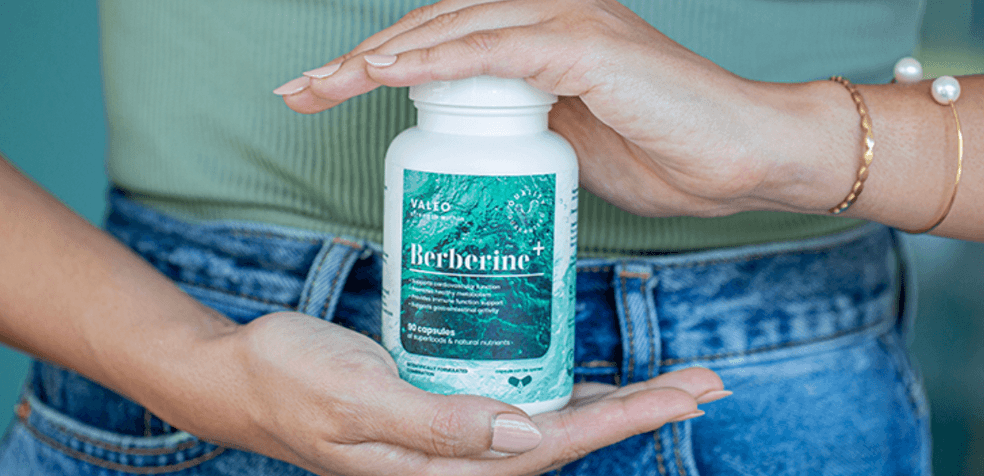
- Berberine supplement: This might surprise you, but the Berberine HCL supplement works on high cholesterol and high glucose effectively and is found to be safe. It also reduces inflammation and helps in many areas. It’s a bitter herb that makes our cells more insulin-sensitive.
Combating oxidative stress and insulin resistance is crucial for reducing the risk of chronic diseases like diabetes, heart disease, and metabolic disorders. By making lifestyle changes such as exercising regularly, following an anti-inflammatory diet rich in vegetables and healthy fats, getting quality sleep, and managing stress levels, you can help restore the balance between free radicals and antioxidants in your body.
Additionally, incorporating a high-quality berberine supplement like Valeo Health's Berberine+ can provide an effective, clinically-backed solution. Berberine has been shown to support healthy blood sugar levels, boost metabolism, promote cellular health through autophagy, and help reduce inflammation – all key factors in addressing insulin resistance and oxidative stress.