
How Berberine Supports Liver and Kidney Health: A Shield Against Functional Disorders
Berberine, scientifically known as BBR (a pentacyclic benzylisoquinoline alkaloid), is a natural compound found in various medicinal plants, such as Berberis. Over recent years, it has gained significant attention for its powerful health benefits. As a naturally occurring substance, berberine has been traditionally used in herbal medicine and is now recognized for its potential to support numerous aspects of health.
Among its many benefits, such as improving insulin sensitivity, lowering blood sugar levels, supporting healthy blood pressure, balancing cholesterol, reducing inflammation, protecting brain health, supporting gut health, and aiding in weight loss, berberine stands out for its ability to support liver and kidney health.
According to the Iranian Journal of Basic Medical Sciences, Berberine's ability to combat ferrous sulfate-induced toxicity is noteworthy and yes it helps against all functional disorders. It does so by reducing lipid peroxidation and helping to chelate iron. The liver and kidneys are vital organs that play a key role in overall health, and their proper functioning is essential for maintaining a healthy life.
In this blog, we’ll explore how berberine works as a protective shield for your liver and kidneys, its mechanisms of action, and its potential to prevent or manage functional disorders.
Hold on here – If you're ready to experience the benefits of this natural supplement, visit www.feelvaleo.com and get Berberine at an affordable price today!
Understanding the Role of the Liver and Kidneys
Before exploring the benefits of berberine, it’s important to first understand the crucial roles the liver and kidneys play in maintaining health:
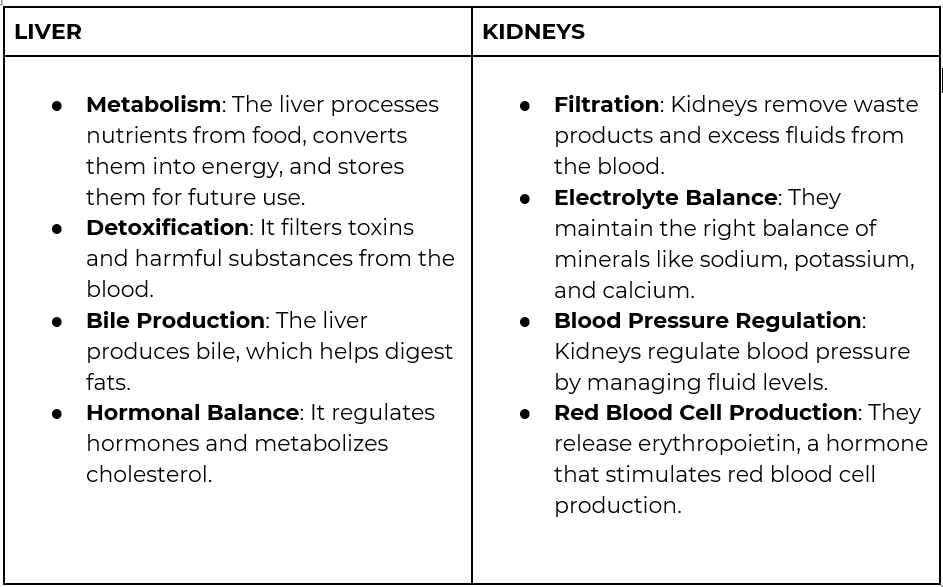
When either of these organs is compromised, it can lead to severe health issues. It includes:
● Fatigue and Nausea
● Poor appetite or Itching
● Jaundice and High Fever
● Easy bleeding and Dark urine
● Swollen face and feet
● Muscle cramps or Abdominal pain
● Decreased urine output
● Insomnia and Tissue swelling
● Bad breath or Excessive thirst
● Metallic taste in mouth
● Right shoulder pain and Blotchy red palms
● Bad breath and Breathlessness
So, this is where berberine comes in as a natural ally, and you can begin to see why it's such an essential addition to your health routine.
As experts in the health industry, Valeo Health always recommends consulting with a doctor first. They can guide you on whether any additional tests, such as LFT, CBC, or STD test at home in Dubai, are needed—whether you're in UAE or anywhere else in the world.
Now, let’s take a closer look at how a premium Berberine supplement supports liver and kidney health, helping to clear any doubts you may have about this powerful medication.
How Berberine Supports Liver Health
Berberine has shown significant promise in supporting liver health through various mechanisms:
1. Combating Non-Alcoholic Fatty Liver Disease (NAFLD)
NAFLD is a common liver disorder characterized by fat accumulation in liver cells. Berberine helps by:
● Reducing Fat Accumulation: Berberine activates AMP-activated protein kinase (AMPK), an enzyme that regulates energy balance. AMPK activation reduces fat storage in the liver.
● Improving Insulin Sensitivity: Insulin resistance is a major factor in NAFLD. Berberine enhances insulin sensitivity, thereby reducing liver fat.
● Lowering Inflammation: Chronic inflammation exacerbates liver damage. Berberine’s anti-inflammatory properties help protect liver cells.
2. Protecting Against Liver Fibrosis
Liver fibrosis is the excessive buildup of scar tissue due to chronic liver damage. Berberine inhibits the activation of hepatic stellate cells, which are responsible for scar tissue formation.
3. Detoxification Support
By enhancing the liver’s detoxification processes, berberine aids in eliminating harmful toxins and waste products from the body.
4. Antioxidant Properties
Oxidative stress contributes to liver disorders. Berberine’s antioxidant capabilities neutralize free radicals, protecting liver cells from damage.
How Berberine Supports Kidney Health
Berberine’s benefits extend to kidney health, offering protection against various functional disorders:
1. Preventing Diabetic Nephropathy
Diabetic nephropathy, a leading cause of chronic kidney disease (CKD), occurs due to prolonged high blood sugar levels. Berberine supports kidney health by:
● Regulating Blood Sugar: Berberine lowers blood glucose levels, reducing the strain on kidneys.
● Reducing Proteinuria: Protein leakage in urine is a marker of kidney damage. Studies show that berberine reduces proteinuria, indicating improved kidney function.
● Lowering Inflammation: Chronic inflammation in diabetic nephropathy can worsen kidney damage. Berberine’s anti-inflammatory properties help mitigate this risk.
2. Protecting Against Oxidative Stress
Kidneys are particularly susceptible to oxidative damage due to their high metabolic activity. Berberine combats oxidative stress, preserving kidney function.
3. Preventing Kidney Stones
Berberine has shown potential in preventing the formation of calcium oxalate crystals, which are the primary component of kidney stones.
4. Reducing Chronic Kidney Disease (CKD) Progression
In individuals with CKD, berberine slows the progression of the disease by improving kidney filtration and reducing inflammation.
Berberine’s Mechanisms of Action
Berberine’s benefits for liver and kidney health can be attributed to its unique, naturally derived mechanisms of action, as highlighted by researchers.
1. AMPK Activation: AMPK, often called the body’s “metabolic master switch,” plays an essential role in regulating energy metabolism which supports your well-being. Berberine activates AMPK, leading to: Reduced fat accumulation in the liver, improved insulin sensitivity and even enhanced cellular energy production.
2. Anti-Inflammatory Effects: Chronic inflammation is a major contributor to liver and kidney disorders. Berberine suppresses pro-inflammatory cytokines, reducing inflammation and protecting these organs.
3. Antioxidant Properties: By scavenging free radicals, berberine reduces oxidative stress, a key factor in liver and kidney damage.
4. Microbiome Modulation: Berberine positively impacts gut microbiota, promoting a healthy balance of beneficial bacteria. A healthy gut microbiome is linked to improved liver and kidney function.
5. Improved Lipid Metabolism: Berberine lowers triglycerides and LDL cholesterol levels, reducing the risk of fatty liver disease and cardiovascular complications that affect kidney health.
Want to know more about Berberine Supplement?
Read this blog as well “The Safety and Side Effects of Berberine” or simply book a free consultation call at +97148369592.
How to Incorporate Berberine into Your Routine
Once you recognize the importance of Berberine as a premium supplement and its numerous benefits, the next common concern is figuring out how to incorporate it into your daily routine. Our Valeo Health experts have explained everything in-depth to help you adopt it with ease!
1. Dosage: The typical recommended dosage of berberine is 500 mg taken 2-3 times daily. However, consult a healthcare professional before starting any supplement regimen.
2. Combination with Other Supplements: Berberine can be combined with other liver and kidney-friendly supplements, such as milk thistle, alpha-lipoic acid, and probiotics, for enhanced benefits. But ensure you ask your doctor first!
3. Dietary and Lifestyle Support: Maximize berberine’s effects by adopting a healthy lifestyle. Ensure to follow a balanced diet rich in fruits, vegetables, and whole grains. And keep yourself hydrated to support kidney function. Also, limit your alcohol and processed foods consumption to reduce liver strain. Lastly, engage in regular physical activity, like daily-walk, cardio or plates.
Why Choose Berberine for Liver and Kidney Health?
Berberine stands out as a natural, evidence-backed solution for supporting liver and kidney health. Its ability to regulate blood sugar, reduce inflammation, and combat oxidative stress makes it a valuable addition to any wellness routine.
By addressing the root causes of many functional disorders, berberine offers a comprehensive approach to maintaining the health of these vital organs.
FAQs About Berberine Supplement:
1. Can berberine cure liver or kidney diseases?
Berberine cannot cure diseases but helps manage symptoms and prevent further damage.
2. Is berberine safe for long-term use?
When taken in recommended doses, berberine is generally safe for long-term use.
3. How soon can I see results with berberine?
Results may vary – so, for an update get Valeo Health App
4. Is it available easily in the United Arab Emirates?
Yes, we offer the best Valeo Berberine—a premium pack of 120 capsules designed for optimal health benefits. All you need to search ‘Berberine in Dubai’ and click on www.feelvaleo.com.
Final Thoughts
Your liver and kidneys work tirelessly to keep your body functioning optimally. Supporting them with natural remedies like berberine can go a long way in preventing functional disorders and promoting overall health.
Whether you’re looking to manage existing conditions or take preventive measures, berberine offers a safe and effective way to protect your liver and kidneys.
Incorporate Berberine into your wellness routine today and take a proactive step toward a healthier future.
At Valeo Health, we always recommend consulting a doctor who can perform essential tests like LFTs, CBC, or STD tests at home in Dubai. These services are available conveniently in the comfort of your home, office, or even a hotel room. Simply book them at Valeo Health