



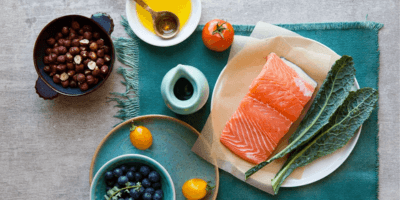
What to eat for better mental health?
Some studies suggest that what we eat and drink affects our feelings. But it can be difficult to know what to eat, especially when healthier foods can be more expensive. It can also be hard to think about our diet when we're struggling with our mental well-being. I am May Chalhoub Valeo Health’s nutritionist, and in this article, you will find the top foods to eat for your mental health.
How can food and drink affect how I feel?
We all react differently to the things in our diet. But there are some foods and drinks that may affect how we feel, in different ways.
1—Blood sugar levels: If your blood sugar is lower than usual, you might feel tired, irritable, or depressed. Eating regularly and eating foods that release energy slowly can help keep your sugar levels steady.
Different people may have different reactions to the same foods. But generally, foods that release energy more slowly include:
- Wholegrain bread and cereal
- Nuts and seeds
- Brown pasta
- Brown rice
This is compared to foods like white bread, crisps, white pasta, and white rice, which release energy less slowly. If you have diabetes, speak to Valeo Health experts before making any changes to your diet that could affect your blood sugar levels.
2- Drinking fluids: If you become dehydrated, concentrating or thinking clearly can be harder. Water, tea, coffee, juices and smoothies can all help you feel hydrated. But some of these may also contain caffeine or sugar, which could affect how you feel for different reasons. Try electrolytes for ultimate hydration.
Foods for better mental health
- Vitamin C: citrus fruits, leafy green vegetables, and others.
- Vitamin D: salmon, cod, shrimp, eggs, fortified milk, juice, and cereal products.
- B vitamins: red meat, fish, eggs, dairy products, whole grains, and leafy green vegetables.
- Magnesium, selenium, and zinc are found in nuts, seeds, whole grains, green vegetables, and fish. You can also take high-quality magnesium supplements.
- Complex carbohydrates include whole grain bread and cereals, brown rice, quinoa, millet, legumes, and starchy vegetables like potatoes, corn, peas, and winter squash.
- Tryptophan: lean red meat, poultry, eggs, and beans.
- Phenylalanine: lean red meat, chicken, eggs, dairy products, soybeans, and seeds.
- Omega-3 fatty acids: salmon, trout, tuna, beans, walnuts, broccoli, cauliflower, spinach,
- Omega-6 fatty acids: poultry, eggs, grains, and vegetable oils.
The takeaway
Eating healthy is important to not only your physical health but your mental well-being,too. Incorporating a wide variety of fruits, vegetables, whole grains, low-fat dairy foods, and lean meats, poultry, and fish into your diet can help you stay healthy and energized. Along with exercising regularly and getting enough sleep, eating a well-balanced diet can do wonders for your mental well-being.