

Fasting Before a Blood Test? What You Need to Know
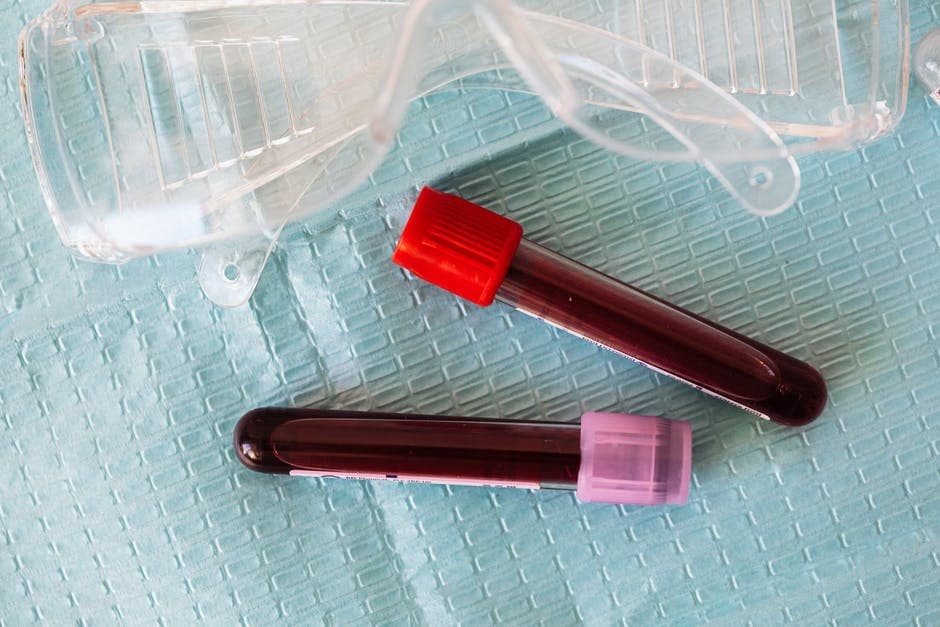
Usually, before undergoing the blood test, doctors sometimes advise fasting, especially before certain types of blood work. Fasting tactic helps to get accurate results, and this helps to treat diseases.
If you're dealing with a growling stomach and the effects of caffeine withdrawal hours before your test, a small bite of toast and a couple of sips of coffee. It can have a significant impact on the test results. This is the particular reason that our healthcare professionals recommend fasting 8-12 hours before certain types of blood tests, such as blood sugar, cholesterol, iron, liver function, kidney and allergy tests. It is important to avoid smoking, chewing gum, or exercising before any blood test as they can speed up digestion and affect the results.
However, there are also blood tests that do not require an empty stomach, such as a vitamin D test, a DNA test, a food allergy test or a food intolerance test.
In this blog, we define why it is important to fast for 8-12 hours before certain blood tests and how they help to get accurate results.
Which Blood Tests Require You to Fast?
Various blood tests necessitate fasting for 8-12 hours, as emphasized earlier. In this section, we will delve into the specific types of blood work that require fasting and explore them in detail.
1. Blood Glucose Test
Blood glucose testing measures the concentration of glucose in the blood and is an important diagnostic aid in diabetes and a means of monitoring glucose. Increased glucose levels may indicate problems with insulin regulation or insulin resistance.
● Fasting Time: Typically, fasting for 8 to 12 hours is recommended before the test to obtain accurate baseline glucose levels, as it reflects the body's natural state without recent food intake.
2. Liver Function Test (LFT)
Liver function tests evaluate the health of the liver by measuring enzymes, proteins, and bilirubin levels in the blood. Abnormal results may suggest liver damage or dysfunction, helping diagnose conditions such as hepatitis or cirrhosis.
● Fasting Time: While many liver function tests do not require specific fasting, however, sometimes healthcare workers at Feelvaleo may advise fasting for certain components to ensure accurate results.
3. Iron Level Blood Test
The iron level blood test assesses the concentration of iron in the blood, aiding in the diagnosis of anemia or iron overload conditions. Iron is crucial for diverse physical functions, and imbalances can result in fitness issues.
● Fasting Time: Generally, fasting is not necessary for routine iron level tests, making it a convenient and accessible diagnostic procedure.
4. Basic Metabolic Panel (BMP)
The Basic Metabolic Panel (BMP) test provides valuable insights into the body's metabolism and electrolyte balance. It includes tests for glucose, electrolytes, and kidney function markers, aiding in the assessment of overall metabolic health.
● Fasting Time: This test requires fasting for 8 to 12 hours to ensure accurate results, especially for glucose levels.
5. Renal Function Panel
The Renal Function Panel assesses kidney function by measuring levels of substances like creatinine and blood urea nitrogen (BUN). Abnormal results may indicate kidney dysfunction or other related issues.
● Fasting Time: Depending on the specific components, fasting may be necessary for accurate results. Patients should adhere to healthcare provider instructions.
6. Cholesterol Test
The Cholesterol Test measures different types of cholesterol (HDL, LDL, total cholesterol) to evaluate cardiovascular health. Elevated levels of LDL cholesterol, for example, are associated with an increased risk of heart disease.
● Fasting Time: While in this test, fasting for 9 to 12 hours is often required to obtain accurate lipid profile results.
7. Triglyceride Level Test
This test measures triglyceride levels in the blood, providing insights into fat metabolism and assessing cardiovascular risk. Elevated triglyceride levels can be associated with conditions such as obesity and diabetes.
● Fasting Time: For Triglyceride Level test, individuals need to follow the fasting for 9 to 12 hours for accurate results, ensuring an accurate assessment of the lipid profile.
8. Allergy Test
Allergy tests identify specific allergens triggering allergic reactions by measuring the immune system's response. Common methods include skin tests or blood tests, helping diagnose allergic conditions.
● Fasting Time: Generally, no fasting is required for allergy tests, making them convenient and accessible for individuals seeking to identify and manage allergic reactions.
All the aforementioned blood testing options typically require fasting before the test. It's important to note that healthcare providers may request fasting for additional blood work beyond these specific tests.
However, fasting is a widely used method to obtain baseline measurements unaffected by food, which ensures the accuracy of various blood markers. People must follow exactly the fasting instructions given by their health professionals or doctors, which depend on the specifics of the scheduled blood tests.
Find The Best At-Home Blood Test Service at Feelvaleo
Now that you understand the significance of fasting prior to specific blood tests, it's crucial to be informed about accessible blood testing services in Dubai and Abu Dhabi. Feelvaleo stands out as your preferred choice for at-home healthcare services.
We provide a variety of home blood test options, including food intolerance test, hCG levels test, complete blood count (CBC) test, Vitamin D test, and more. Additionally, we offer natural supplements, intravenous (IV) treatments, and physiotherapy services.
Although, our services are available 24/7 - you can contact our representatives anytime you want and ask for the help!