



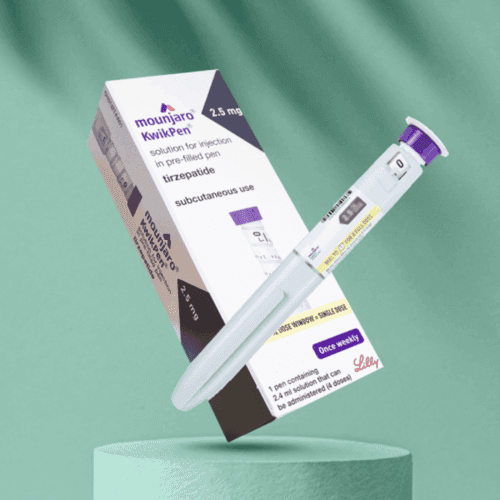
Symptoms of Mounjaro Injection: Everything You Need to Know Before Use
Managing type 2 diabetes has become easier with modern medications, and one treatment that has gained attention is the Mounjaro needle, often referred to as a weight loss injection. Doctors often prescribe it to help regulate blood sugar levels and, in many cases, support weight management as well. While the medication can be effective for many people, it is important to understand how your body might respond to it.
Before starting any medication, especially an injectable one, knowing the possible symptoms and side effects can help you feel more confident and prepared. This guide explains the common symptoms associated with the mounjaro needle, what to expect during treatment, and when to consult a healthcare professional.
What Is a Mounjaro Needle?
The mounjaro needleis a prescription medication used mainly to treat adults with type 2 diabetes. It works by helping the body control blood sugar levels more effectively. Doctors typically recommend it alongside lifestyle changes such as a balanced diet and regular exercise.
The medication is given as a weekly injection under the skin, usually in areas like the abdomen, thigh, or upper arm. Because it is injected rather than taken as a tablet, some users may notice certain physical symptoms, especially during the first few weeks of treatment.
Understanding these symptoms can help you recognize what is normal and what might require medical attention.
Common Symptoms After Taking Mounjaro needle
Many people experience mild side effects when starting a mounjaro injection, particularly as the body adjusts to the medication. These symptoms usually improve over time.
1. Nausea
Nausea is one of the most frequently reported symptoms after using a mounjaro injection. Some people feel slightly sick to their stomach, especially after eating large meals. Eating smaller portions and avoiding heavy or greasy foods can help reduce this feeling.
2. Reduced Appetite
Another common effect of the mounjaro injection is a decrease in appetite. While this can support weight management, it may also cause some people to feel less interested in food during the first few weeks.
3. Mild Stomach Pain
Some individuals report mild abdominal discomfort after taking the mounjaro injection. This may include bloating, cramping, or a general feeling of fullness.
4. Vomiting
Although less common than nausea, vomiting can occur in some users of the mounjaro injection. This usually happens when the body is still adjusting to the medication.
5. Diarrhea or Constipation
Digestive changes are another possible symptom. A mounjaro needle may cause diarrhea in some people, while others might experience constipation. Staying hydrated and maintaining a balanced diet can help manage these symptoms.
Needle Site Reactions
Because the mounjaro Needleis administered under the skin, mild reactions at the injection site can occur.
Common reactions include
Redness
Mild swelling
Itching
Tenderness
These symptoms usually disappear within a few hours or days. Rotating the injection site each week can help prevent irritation.
Less Common but Serious Symptoms
Although rare, some people may experience more serious symptoms after using a mounjaro injection. These should not be ignored.
Severe Abdominal Pain
Persistent or severe stomach pain could indicate inflammation of the pancreas. Anyone experiencing this symptom after a mounjaro injection should contact a doctor immediately.
Allergic Reactions
Signs of an allergic reaction may include
Rash
Severe itching
Swelling of the face or throat
Difficulty breathing
These symptoms require urgent medical attention if they occur after a mounjaro injection.
Low Blood Sugar
While the mounjaro needle itself may not always cause low blood sugar, the risk increases when combined with other diabetes medications such as insulin. Symptoms of low blood sugar may include dizziness, sweating, shakiness, and confusion.
Symptoms During the First Weeks of Use
The first few weeks after starting a mounjaro needle are when most people notice symptoms. This period is often called the adjustment phase.
During this time, the body adapts to the medication’s effects on digestion and blood sugar regulation. Symptoms like nausea, fatigue, and reduced appetite may appear but usually improve gradually.
Doctors sometimes start patients on a lower dose of mounjaro injection and increase it slowly. This approach helps reduce uncomfortable side effects.
Tips to Manage Symptoms
If you experience mild symptoms after taking a mounjaro injection, a few simple strategies may help.
Eat Smaller Meals
Large meals can worsen nausea. Smaller portions throughout the day are often easier to tolerate.
Stay Hydrated
Drinking enough water can help manage digestive symptoms like constipation or diarrhea caused by the mounjaro needle.
Avoid Fatty Foods
Heavy or greasy meals may trigger stomach discomfort in people using mounjaro injection therapy.
Follow the Prescribed Dose
Taking the correct dose of mounjaro needle as recommended by your doctor is important for both safety and effectiveness.
When to Contact a Doctor
While many symptoms from a mounjaro needle are mild, certain signs should prompt immediate medical advice.
You should contact your healthcare provider if you experience
Severe or persistent vomiting
Intense abdominal pain
Signs of an allergic reaction
Symptoms of very low blood sugar
Unusual fatigue or weakness
Early medical attention can help prevent complications and ensure that the mounjaro needle continues to be safe for your treatment plan.
Who Should Be Careful Before Using Mounjaro needle ?
Not everyone is an ideal candidate for mounjaro needle treatment. Individuals with certain medical conditions should consult their doctor carefully before starting the medication.
This includes people with
A history of pancreatitis
Severe gastrointestinal disorders
Certain thyroid conditions
Allergies to similar medications
A thorough medical evaluation helps determine whether the mounjaro injection is appropriate for your situation
Final Thoughts
The mounjaro needle has become an important treatment option for people managing type 2 diabetes. Like any medication, it can cause symptoms, particularly during the early stages of use. Most of these effects are mild and temporary, but understanding them in advance helps you stay informed and prepared.
Doctors typically prescribe the medication in gradually increasing doses, such as Mounjaro 2.5 mg, Mounjaro 5mg, mounjaro 7.5, Mounjaro 10mg, mounjaro 12.5, and Mounjaro 15 mg, depending on how the body responds to treatment. This step-by-step approach helps reduce side effects while allowing the medication to work effectively in managing blood sugar levels.
By recognizing common symptoms, following your doctor’s guidance, and paying attention to how your body responds, you can use the mounjaro injection safely and effectively. If you ever feel unsure about any symptoms, reaching out to a healthcare professional is always the best step.
Being informed is the first step toward better health and better diabetes management.