



Ovulation – Symptoms, Causes, and Everything You Need to Know in Saudi Arabia(2026)
Understanding ovulation is essential for anyone tracking fertility planning a pregnancy or simply learning more about their body. Despite being a natural monthly process ovulation can sometimes feel confusing especially when cycles vary or symptoms are not obvious. This guide breaks everything down in a clear practical way so you can recognize the signs understand the causes and know when it might be helpful to consider a lab test at home.
What Is Ovulation
Ovulation is the phase in the menstrual cycle when one of the ovaries releases a mature egg. This usually happens once each cycle around the middle of your cycle typically between day 12 and day 16 in a 28 day cycle. After the egg is released it travels through the fallopian tube where it may be fertilized.
If fertilization does not occur the egg dissolves hormone levels drop and menstruation begins.
Why Ovulation Matters
Ovulation plays a central role in fertility. The days leading up to ovulation and the day of ovulation itself are considered the most fertile window. Knowing when ovulation occurs can help
Increase chances of conception
Support natural family planning
Detect irregular cycles early
Identify potential hormonal imbalances
In recent years many individuals in Saudi Arabia have shifted toward proactive health monitoring including the convenience of booking a lab test at home to track hormone levels without visiting a clinic.
Common Symptoms of Ovulation
Every body is different but several signs may indicate that ovulation is approaching or happening
1.Changes in Cervical Mucus
One of the most noticeable signs is a shift in vaginal discharge. During ovulation it often becomes clear stretchy and similar to egg whites. This helps sperm travel more easily.
2.Mild Pelvic Pain
Some people feel a slight twinge or dull ache on one side of the lower abdomen. This can last from a few minutes to a few hours.
3.Increase in Basal Body Temperature
After ovulation body temperature rises slightly due to progesterone. Tracking this daily can help confirm ovulation after it has occurred.
4.Heightened Sense of Smell or Libido
Hormonal changes may increase sensitivity to smells or boost sexual desire during fertile days.
5.Breast Tenderness
Some experience mild discomfort or sensitivity in the breasts due to hormonal fluctuations.
6.Light Spotting
Occasionally a small amount of spotting may occur during ovulation though this is less common.
Causes and Hormonal Triggers
Ovulation is controlled by a delicate balance of hormones. The main players include
Follicle stimulating hormone FSH which stimulates egg development
Luteinizing hormone LH which triggers the release of the egg
Estrogen which thickens the uterine lining
Progesterone which prepares the body for possible pregnancy
A surge in LH is what directly causes ovulation. This is why many ovulation predictor kits focus on detecting LH levels.
However several factors can influence or disrupt ovulation
1.Stress
High stress levels can interfere with hormone production and delay or prevent ovulation.
2.Weight Changes
Both significant weight loss and gain can affect hormonal balance.
3.Medical Conditions
Conditions such as polycystic ovary syndrome PCOS or thyroid disorders may disrupt ovulation.
4.Lifestyle Factors
Poor sleep lack of physical activity or excessive exercise can impact cycle regularity.
Irregular Ovulation When to Pay Attention
Not everyone ovulates regularly. Some signs of irregular ovulation include
Missed periods
Cycles shorter than 21 days or longer than 35 days
Very light or very heavy bleeding
Difficulty conceiving
If you notice these patterns it may be helpful to assess hormone levels. This is where a lab test at home becomes a convenient option allowing you to check key markers like LH FSH thyroid hormones and progesterone without disrupting your routine.
Tracking Ovulation Effectively
There are several ways to monitor ovulation
1.Calendar Method
Estimate ovulation based on cycle length. This works best for those with regular cycles.
2.Ovulation Predictor Kits
These detect LH surges in urine and can predict ovulation within 24 to 36 hours.
3.Basal Body Temperature Tracking
Recording daily temperature helps confirm ovulation retrospectively.
4.Hormone Testing
A more accurate method involves testing hormone levels through blood analysis. Many individuals now prefer a lab test at home for privacy and ease especially in busy cities across Saudi Arabia.
When Should You Consider a Lab Test at Home
A lab test at home can be especially useful if
1.You are trying to conceive and want precise timing
2.Your cycles are irregular
3.You suspect hormonal imbalance
4.You prefer privacy and convenience
5.You want routine reproductive health monitoring
Modern home testing services offer professional sample collection and reliable lab analysis making it easier than ever to stay informed about your health.
Tips to Support Healthy Ovulation
Maintaining a balanced lifestyle can support regular ovulation
1.Eat a nutrient rich diet with healthy fats and proteins
2.Stay physically active but avoid overtraining
3.Manage stress through relaxation techniques
4.Maintain a consistent sleep schedule
Stay hydrated
5.Small consistent habits often make a noticeable difference in cycle regularity.
Final Thoughts
Ovulation is a key part of reproductive health and plays an important role in understanding pregnancy weeks but it does not always follow a predictable pattern. By understanding the symptoms and underlying causes you can take better control of your health fertility journey and track pregnancy weeks more accurately.
With the growing availability of services like a lab test at home monitoring your hormonal health has become more accessible and convenient than ever in Saudi Arabia. Whether you are planning for pregnancy or simply staying informed, keeping track of ovulation can provide valuable insights into your overall well being and using a Pregnancy calculator can further help you estimate important milestones with greater clarity.
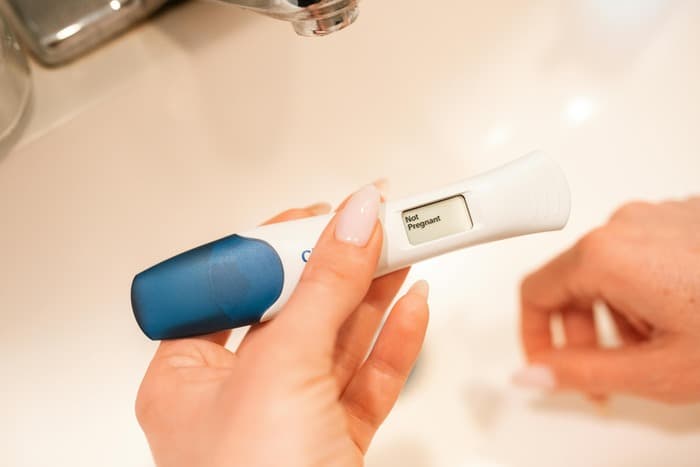
For those actively trying to conceive or looking for quick confirmation the option of a 100% Guaranteed Home Pregnancy Test adds another layer of convenience and reassurance allowing you to check results privately and confidently from the comfort of your home.
Frequently Asked Questions on Ovulation – Symptoms, Causes, and Everything You Need to Know in Saudi Arabia(2026)
1. How can I confirm if I am ovulating at home?
You can track ovulation through symptoms like changes in discharge and mild pelvic pain but for more accurate results booking a lab test at home helps you check hormone levels with ease and reliability.
2. What is the fastest way to check pregnancy after ovulation?
The quickest and most convenient way is using a Pregnancy test or a 100% Guaranteed Home Pregnancy Test which allows you to get early results privately without visiting a clinic.
3. When should I use a Pregnancy calculator?
You can use a Pregnancy calculator right after confirming pregnancy to estimate due dates track Pregnancy weeks and plan your next steps with confidence.
4. Can irregular periods affect ovulation and pregnancy chances?
Yes irregular cycles can make ovulation unpredictable. In such cases a lab test at home can help iden
5. What are the 7 signs of ovulation?
- Cervical mucus. If you notice a thick, slippery mucus similar to an egg white in your underwear or when you go to the bathroom, the cervix is releasing mucus. ...
- Increased libido. ...
- Elevated basal body temperature. ...
- Cervical position. ...
- Tender breasts. ...
- Ovulation pain. ...
- Position ovulation test.
6. How will I feel if I am ovulating?
If you have regular menstrual cycles, you are likely to be ovulating each month. When you are ovulating, you may notice: your vaginal discharge or mucus is slick and slippery (like egg white) abdominal pain, often on one side of the tummy.
7. What not to do while ovulating?
caffeine and alcohol - These can affect hormone levels and hydration. To keep everything in balance, it might be best to limit caffeine and alcohol during ovulation. This includes coffee, tea (yes, especially black and green tea!), energy drinks, and caffeinated soft drinks.
8. Will I 100% get pregnant if I'm ovulating?
Will I 100% get pregnant while ovulating? No. There are several factors that have to line up in order for pregnancy to happen and according to research, there's only a 42% chance that pregnancy will happen during your fertile window. Even if conception occurs, The Strongest Sign of Pregnancy in the First Week may not be immediately noticeable, as early pregnancy symptoms can vary significantly from one woman to another.
9. Does ovulation change with age?
A woman's cycles will remain regular, 26 to 35 days, until her late 30s to early 40s when she may notice that her cycles become shorter. As time passes, she will begin to skip ovulation resulting in missed periods. Ultimately, periods become increasingly infrequent until they cease completely.
10.What food to avoid during ovulation?
What Foods to Avoid While Trying to Get Pregnant?
- Caffeine. There are many foods and drinks that can affect fertility, and caffeine is one of them. ...
- Alcohol. When trying to conceive, it is important to avoid alcohol. ...
- Processed Foods. ...
- High-mercury Fish. ...
- Unhealthy Fats. ...
- High-sugar Drinks and Soda.