

The Role of Food Allergy Testing in Managing Symptoms
Do you feel sick after eating? Or are you worried that your loved ones will get sick again and again? This means you or your loved ones have a food allergy or sensitivity, even if you're not sure how to control the symptoms - contact Feelvaleo for an expert guidance. Our team starts by conducting a comprehensive food allergy test or food intolerance test.
Some people can easily identify the food that triggers their allergies, such as experiencing a rash immediately after consuming peanuts or peanut-containing products. On the other hand, some individuals require professional assistance from a doctor to determine the cause of their allergies. In certain cases, symptoms may manifest hours after consuming the problematic food (such as eggs or products containing eggs), making it difficult to identify the source of the problem.
That's why it's important to do a food allergy test - in some cases, doctors recommend a food tolerance test. Both tests are the first step in managing your symptoms and living a healthy life.
Overview of Food Allergy Test
A food allergy triggers the production of IgE antibodies and histamine, which cause severe and potentially life-threatening reactions. Unlike food sensitivities or intolerances, allergy symptoms pose a significant risk.
Common allergic foods include shellfish, dairy, eggs, tree nuts, and peanuts. Accurate diagnosis of food allergies is critical to preventing serious reactions and creating an effective treatment plan – that can be only possible if you take a food allergy test.
These tests can play a key role in identifying the root causes of food-related adverse reactions, which can range from hives to difficulty breathing. Reliable methods such as skin, blood and oral foods are used for this purpose.
Usually, the main goal of a healthcare provider is to find out the causes of the allergy, which facilitates the preparation of an appropriate treatment plan. Ultimately, a thorough understanding of specific allergens is essential for effective food allergy management and wellness.
Symptoms of Food Allergy(H2)
Food allergy symptoms become serious problems for an individual - unless preventive measures are taken, such as avoiding problem food items and introducing alternative nutritional products.
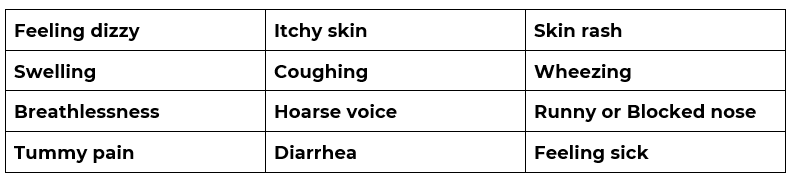
Sometimes food allergies can manifest in a variety of symptoms, from mild to severe. However, the mild symptoms include itching, stinging, hives, rash and swelling. In some cases, respiratory issues, like nasal congestion, wheezing and difficulty breathing. Or it can be gastrointestinal which usually includes abdominal pain, diarrhea and vomiting.
At the more serious end of the spectrum, symptoms can escalate to dizziness, fainting and a potentially life-threatening condition called anaphylaxis. Anaphylaxis is a critical medical emergency that requires immediate medical attention.
For more clarification – you may review the below chart.
These symptoms or signs can turn into a serious condition - if you don't treat it right!
Hint: Start with a food allergy testing.
3 Steps Of Food Allergy Testing in Managing Symptoms
Here are three steps of food allergy testing in managing mild to severe symptoms:
1. Medical History & Physical Exam
In the initial phase, a thorough medical history and medical examination are performed to check for food allergy test symptoms. This involves a detailed discussion between the patient and healthcare provider to gather information about the individual and their eating habits, past allergic reactions and any relevant family history. A full physical examination helps assess the patient's overall health and identify any visible signs of allergic conditions.
2. Skin Tests & Prick Tests
The second stage involves skin tests and prick tests. Skin tests, usually performed with small amounts of allergenic extracts, help identify specific substances that trigger allergic reactions. Although in prick tests, a small amount of a suspected allergen is placed on the skin and its surface, and then the skin is pricked or scratched to add the allergen. The doctor will carefully check the skin and the reaction to determine if it is an allergic reaction. These tests are valuable for quick and efficient identification of allergens.
3. Blood Tests for Allergens
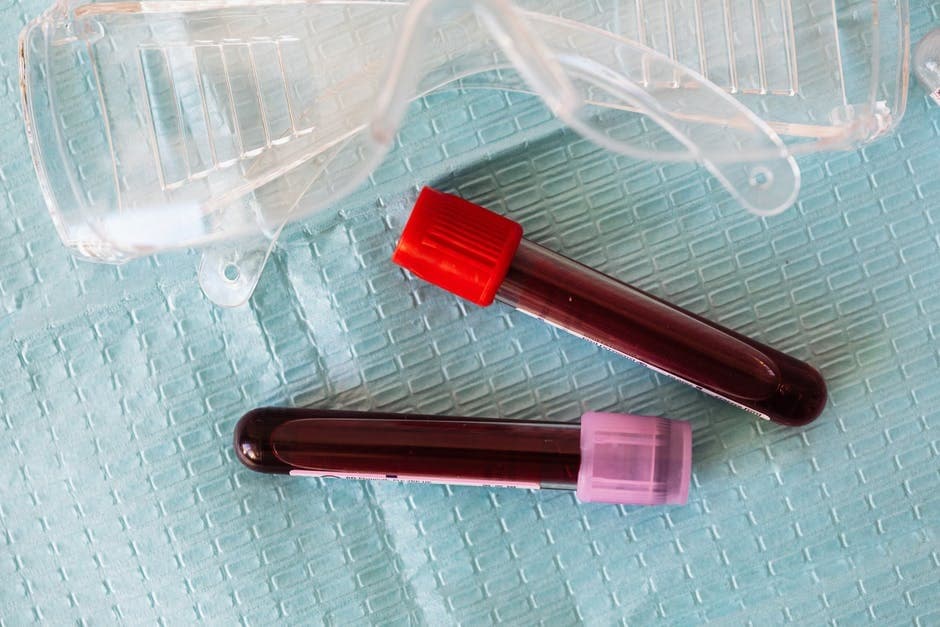
The third step is a simple blood test that helps healthcare workers measure the presence of certain antibodies, including IgE antibodies, which are produced by the immune system in response to allergens. This method provides a broader understanding of the body and immune response and is particularly useful when skin tests are inconclusive or cannot be performed. Allergen blood tests contribute to a comprehensive evaluation that helps in the accurate diagnosis and treatment of food allergies and related symptoms.
Self-Precaution Against Food Allergies
If you are considering taking precautions to manage food allergies, it is recommended to start with an elimination diet. In addition, it is important to keep a detailed food diary to track your daily intake and associated symptoms. This documentation helps identify patterns and potential trigger foods.
Other precautions are:
● Ensure that you are well informed about food labels, cross-contamination risks, and emergency measures in case of accidental exposure.
● Establishing open communication with friends, family, and colleagues about your food allergies is essential for creating a supportive environment and minimizing risks in various social settings.
● Regularly staying updated on food allergy management strategies and participating in relevant support groups can contribute to a proactive and informed approach in safeguarding against potential allergic reactions.
Where can I find a food allergy test and a food intolerance test? Contact Feelvaleo - both tests are available at a reasonable price. In addition, you can get immediate help from doctors.