


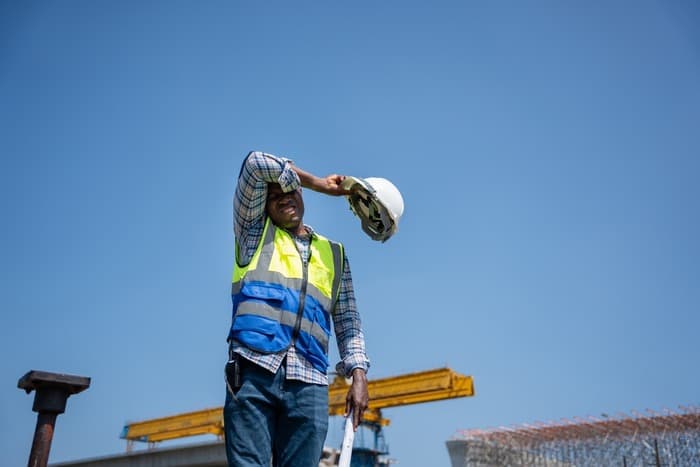
Extreme Heat in Saudi Arabia (2026): A Rising Concern Shaping Climate Conversations
Excessive heat in Saudi Arabia has become an important topic across environmental, social, and economic discussions. While the Kingdom has always been known for its desert climate, recent years have brought renewed attention to rising temperatures, extended heatwaves, and their long term implications. From public health concerns to infrastructure planning, extreme heat is influencing how communities and policymakers think about sustainability, resilience, and future development.
A Climate Defined by Intensity by extreme heat
Saudi Arabia’s geographic location plays a major role in its extreme climate. Positioned within the Arabian Peninsula, the country experiences powerful solar radiation and persistent high pressure systems that contribute to intense surface heating, especially during summer months. These natural conditions regularly push temperatures above 45°C and, in some cases, to the upper limits of human tolerance.
The absence of large inland water bodies and limited vegetation amplify the heat further. Desert terrain absorbs solar energy during the day and releases it at night, maintaining elevated temperatures. Coastal regions benefit slightly from proximity to the Red Sea or Arabian Gulf, yet inland and eastern areas often face the harshest conditions.
Official records show temperatures reaching about 52°C in some locations, a stark reminder of how intense the climate can become. These levels are not rare anomalies but part of a broader pattern that continues to shape daily life and national planning.
Recent Heatwaves and Weather Patterns
Seasonal heatwaves have reinforced the urgency of addressing temperature extremes. Meteorological authorities have issued warnings predicting highs between 46°C and 50°C in several regions, with eastern provinces often registering the most intense heat. Cities such as Al Ahsa and Dammam have recorded temperatures close to these levels during particularly severe periods.
Beyond temperature itself, heat often arrives with dust storms or shifting weather conditions that affect visibility and transportation. Meanwhile, seasonal transitions can bring sudden fluctuations, including thunderstorms and strong winds, reflecting the complex interaction between heat and atmospheric systems.
These extremes have tangible consequences. During the 2024 Hajj pilgrimage, temperatures exceeding 50°C were associated with widespread heat related illness and fatalities among pilgrims, highlighting the real human risks tied to extreme heat exposure.
Heat and the Broader Climate Context
Excessive heat in Saudi Arabia cannot be viewed in isolation. Across the Middle East and North Africa, temperatures are rising faster than the global average, with prolonged periods above 50°C increasingly affecting health, ecosystems, and economic stability.
Climate assessments indicate that the frequency and duration of heatwaves may grow dramatically in coming decades. Projections suggest that Saudi Arabia could face more than one hundred extreme heat days each year by mid century under certain scenarios. Such conditions would reshape everything from urban design to energy demand and resource management.
Environmental challenges tied to heat also extend beyond air temperature. Increased evaporation and reduced rainfall contribute to water scarcity, placing strain on agriculture and natural ecosystems. Studies indicate higher temperatures may reduce water reserves and put significant portions of arable land at risk of desertification.
Social and Economic Effects
The impact of extreme heat touches multiple aspects of society. Public health systems must prepare for heat related illnesses, while rising temperatures increase energy demand for cooling and reduce productivity in outdoor sectors.
Workers engaged in physically demanding labor are particularly vulnerable. Climate risk analyses show that construction and similar industries face heightened exposure to heat stress, especially among migrant labor populations. Prolonged heatwaves are also projected to affect economic performance, with some forecasts linking climate stressors to potential losses in national productivity in the decades ahead.
Infrastructure and urban living are equally influenced. High temperatures place strain on power systems, transportation, and building materials, pushing cities toward innovative solutions such as reflective construction materials, improved cooling technologies, and expanded green planning initiatives.
Adaptation and Forward Planning
Addressing excessive heat requires both short term measures and long term strategies. Saudi Arabia has initiated adaptation programs focusing on infrastructure resilience, research, and public awareness campaigns. Urban cooling initiatives, district cooling systems, and improved building design are part of broader efforts to reduce heat stress in expanding metropolitan areas.
Water management is another priority. Investment in desalination and conservation helps mitigate shortages intensified by higher temperatures and evaporation rates. These efforts reflect a recognition that heat resilience is inseparable from resource planning and environmental stewardship.
A Continuing Global Conversation
The discussion around extreme hea in Saudi Arabia mirrors a global dialogue about climate, sustainability, and human adaptability. Rising temperatures influence not just local weather but economic planning, urban design, and international environmental policy. Across the region, experts emphasize that adaptation, from early warning systems to technological innovation, will be essential for protecting communities and ecosystems.
Conclusion
Extreme heat in Saudi Arabia is more than a seasonal characteristic. It is a defining environmental reality shaping public conversation and future planning. Natural geography, intensifying weather patterns, and global climate shifts are converging to make temperature extremes an issue that demands attention. In response, healthcare providers and wellness platforms such as Valeo Health in Saudi Arabia continue to emphasize awareness around hydration, nutrition, and preventative care to help communities stay prepared during high temperature periods. Attention to overall health, including maintaining balanced nutrient levels such as Vitamin B12, can support general energy and wellbeing when the body is exposed to environmental stress.
As awareness grows, the focus is shifting toward resilience, innovation, and sustainable adaptation. Understanding the causes and consequences of extreme heat is the first step in preparing for a warmer future, not just in Saudi Arabia but across regions facing similar conditions. Alongside climate readiness, conversations about lifestyle and medical support are expanding, with topics ranging from metabolic health to treatment options such as Mounjaro, reflecting a broader commitment to wellness and informed decision making. By combining thoughtful planning with scientific insight, societies can address the challenges of heat while continuing to thrive in demanding climates.
Frequently Asked Questions About Excessive Heat in Saudi Arabia(2026): A Rising Concern Shaping Climate Conversations.
1. What is causing the increase in excessive heat in Saudi Arabia?
The rise in excessive heat in Saudi Arabia is mainly caused by global climate change, desert geography, and urbanization. Increasing greenhouse gas emissions are warming the planet, which intensifies heatwaves across the Middle East. Saudi Arabia’s vast desert landscape absorbs large amounts of solar radiation, while expanding cities contribute to the urban heat island effect, making temperatures even higher in urban areas.
2. How hot does it typically get during summer in Saudi Arabia?
During summer, temperatures in Saudi Arabia often reach 40°C to 45°C (104°F to 113°F) in many regions. In some areas, especially inland cities like Riyadh, temperatures can exceed 50°C (122°F) during severe heatwaves. The extreme heat is usually accompanied by very low humidity in desert regions, although coastal cities may experience both heat and humidity.
3. Why is Saudi Arabia particularly vulnerable to extreme heat?
Saudi Arabia is especially vulnerable to extreme heat because of its arid desert climate, limited rainfall, and strong sunlight throughout the year. The country has vast open deserts that absorb and retain heat, while the lack of vegetation and water bodies reduces natural cooling. Additionally, rapid urban growth and climate change further increase the intensity and duration of heatwaves.
4. How has the frequency of heatwaves in Saudi Arabia changed in recent years?
In recent years, heatwaves in Saudi Arabia have become more frequent, longer, and more intense. Climate data shows that extremely hot days are occurring more often than in previous decades. Scientists attribute this trend to global warming, which is increasing average temperatures and raising the likelihood of extreme heat events across the Middle East.
5. Is climate change responsible for rising temperatures in Saudi Arabia?
Yes, climate change is considered a major factor behind rising temperatures in Saudi Arabia. Global warming caused by greenhouse gas emissions is increasing average temperatures worldwide. In hot regions like the Middle East, this warming effect is amplified, leading to stronger and more persistent heatwaves.
6. What health risks are associated with extreme heat in Saudi Arabia?
Extreme heat in Saudi Arabia can lead to several health problems, including heat exhaustion, heatstroke, dehydration, sunburn, and severe fatigue. Prolonged exposure to high temperatures can also worsen existing conditions such as heart disease, respiratory illnesses, and kidney problems. Without proper hydration and protection, extreme heat can quickly become life-threatening, especially during peak summer months.
7. How can residents and workers protect themselves during heatwaves?
Residents and workers can reduce heat risks by staying hydrated, avoiding direct sunlight during peak hours, and wearing light, breathable clothing. It is also important to take frequent breaks in shaded or air-conditioned areas and apply sunscreen when outdoors. Employers often adjust work schedules during extremely hot days to limit exposure to dangerous temperatures.
8. Which groups are most vulnerable to heat-related illnesses?
Certain groups face a higher risk of heat-related illnesses, including elderly individuals, children, outdoor workers, and people with chronic health conditions. Individuals who are not accustomed to high temperatures or who lack access to cooling systems are also more vulnerable. These groups require extra care, hydration, and protection during heatwaves.
9. How does excessive heat affect outdoor laborers and construction workers?
Outdoor laborers and construction workers are particularly affected by excessive heat because they spend long hours exposed to high temperatures and direct sunlight. This can lead to dehydration, fatigue, reduced productivity, and serious heat-related illnesses such as heat exhaustion or heatstroke. Many workplaces in Saudi Arabia implement safety measures such as midday work breaks during the hottest months to protect workers.
10. What precautions should tourists take when visiting Saudi Arabia during summer?
Tourists visiting Saudi Arabia in summer should stay well hydrated, wear lightweight clothing, use sunscreen, and limit outdoor activities during the hottest parts of the day. It is also advisable to plan sightseeing early in the morning or late in the evening, carry water at all times, and rest in air-conditioned environments whenever possible to avoid heat-related health risks.