

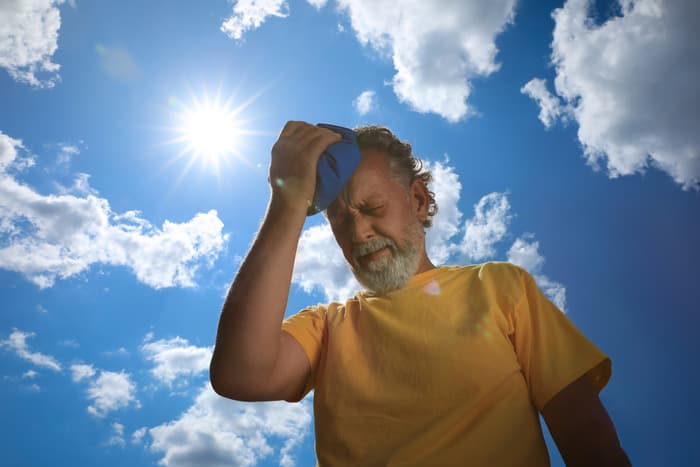
Excessive Heat in UAE: Symptoms, Risks and How to Stay Safe During Extreme Temperatures
When temperatures rise beyond normal, it is not just uncomfortable, it can be dangerous. Excessive heat puts stress on the body and can lead to dehydration, fatigue, and serious health complications. It is often experienced during periods of extreme temperatures, especially in hot regions where excessive heat conditions can affect the body's ability to cool itself. If precautions are not taken, it can become more severe. As summer excessive heat and heatwaves become more frequent, understanding how to stay safe during periods of extreme heat is essential for your wellbeing.
This guide explains what excessive heat is, the health risks involved, who is most vulnerable, and practical ways to protect yourself and your loved ones.
Understanding Excessive Heat and Its Effects
Excessive heat occurs when temperatures remain higher than normal for a region over several days, combined with high humidity and prolonged exposure. During summer excessive heat conditions, high temperatures and humidity can make it difficult for the body to regulate its internal temperature. Excessive heat temperature levels vary depending on location, climate, and humidity. In the UAE, temperatures can rise above 40°C during summer, increasing the risk of dehydration, heat exhaustion, and heatstroke, especially during prolonged outdoor exposure.
Prolonged exposure to extreme heat can overwhelm the body’s natural cooling mechanisms, such as sweating and circulation. When the body struggles to regulate its temperature, it may lead to fatigue, headaches, dizziness, and other serious health complications. Staying hydrated, spending time in cool or air-conditioned environments, and limiting outdoor activity during peak heat hours can help reduce heat-related risks.
During these periods, it is common for people to feel drained, dizzy, or irritable. Even healthy individuals may experience difficulty concentrating or reduced physical performance. Recognizing the signs early is key to preventing serious complications.
Health Risks of Excessive Heat
Common excessive heat symptoms include dizziness, fatigue, headache, dehydration, muscle cramps, nausea, and weakness. Recognizing these signs early can help prevent more serious heat-related conditions such as heat exhaustion and heatstroke.
Exposure to high temperatures for extended periods can lead to several health problems:
Dehydration
During periods of excessive heat, monitoring your health can help identify problems early. A blood test at home in Dubai can provide convenient access to important health checks without requiring a visit to a clinic.
Heat Exhaustion
Heavy sweating, weakness, nausea, headaches, and a rapid heartbeat are warning signs. Heat exhaustion requires immediate rest and hydration to prevent it from worsening.
Heatstroke
Heatstroke occurs when the body’s temperature rises uncontrollably. Symptoms include confusion, loss of consciousness, and hot, dry skin. Immediate medical attention is necessary.
Exacerbation of Chronic Conditions
High temperatures can worsen pre-existing health problems, including heart disease, asthma, and diabetes.
Who Is Most Vulnerable
Although everyone is affected by extreme heat, some groups are more at risk:
- Elderly individuals whose bodies regulate temperature more slowly
- Infants and young children whose bodies heat up faster than adults
- People with chronic illnesses or on medications that affect hydration
- Outdoor workers, athletes, or those engaged in physical labor
- Individuals without access to air conditioning or shaded areas
Regular monitoring is especially important for elderly individuals and people with existing health conditions. A health checkup at home can help track important health markers while making healthcare more accessible and convenient.
Why Does the UAE Experience Extreme Heat?
The UAE experiences extreme heat due to its desert climate, geographical location, and intense sunlight throughout the year. During summer months, temperatures can rise significantly, and high humidity levels in coastal areas can make the heat feel even stronger. Urban areas such as Dubai and Abu Dhabi may experience additional heat due to buildings, roads, and infrastructure absorbing and retaining heat.
Extreme temperatures are also experienced across the Gulf region, including Saudi Arabia, where summer heat can create similar health challenges. Understanding regional weather conditions and following proper precautions can help individuals stay protected during periods of high temperatures. You can learn more about heat safety precautions in Saudi Arabia to understand how to manage excessive heat risks in different Gulf climates
How to Stay Safe During Excessive Heat Weather
Preventing health problems during excessive heat weather requires awareness, preparation, and daily safety precautions.
Hydrate Constantly
Drink water regularly throughout the day, even if you do not feel thirsty. Avoid alcohol or caffeinated drinks that can increase dehydration.
Limit Exposure to Direct Sunlight
Avoid outdoor activities during peak heat hours, usually late morning to early evening. If you must go outside, stay in shaded areas and take frequent breaks.
Dress Appropriately
Wear lightweight, loose-fitting, and light-colored clothing. Breathable fabrics allow your body to cool naturally. Hats and sunglasses offer additional protection.
Cool Your Living Space
Use fans or air conditioning where possible. Close curtains to block sunlight during the day and open windows at night when temperatures drop. Spending time in shaded or cool areas helps your body maintain a safe temperature.
Eat Light and Healthy Meals
Heavy meals can increase body temperature. Opt for fresh fruits, vegetables, and light meals to help your body stay cool.
Monitor Your Body for Warning Signs
Be alert to dizziness, weakness, headaches, or confusion. Acting quickly by moving to a cooler space and hydrating can prevent severe complications.
Excessive Heat Symptoms: Signs Your Body Is Overheating
Excessive heat in the body occurs when the body struggles to maintain its normal temperature due to prolonged exposure to high temperatures or hot environments.
Common symptoms include:
- excessive sweating
- dizziness
- headache
- fatigue
- nausea
- muscle cramps
- rapid heartbeat
- weakness
What Temperature Is Considered Excessive Heat?
There is no single temperature that defines excessive heat because humidity, location, and personal health affect how the body responds.
In the UAE, temperatures above 40°C (104°F) during summer can increase the risk of dehydration, heat exhaustion, and heatstroke, especially during prolonged outdoor exposure.
Simple Lifestyle Adjustments
Small routine changes can reduce vulnerability during heatwaves and periods of excessive heat. Plan outdoor activities for cooler hours, check on children, elderly family members, or neighbors, and ensure pets have plenty of water. Establishing safe habits and hydration routines helps your body cope with excessive heat effectively.
Conclusion
Excessive heat is more than just uncomfortable weather. Summer excessive heat is becoming more frequent, making prevention and awareness very important. It is a serious environmental stressor that can affect health and wellbeing. By staying informed and taking practical precautions, you can protect yourself and your loved ones. Drinking enough water, avoiding peak sun exposure, dressing appropriately, keeping your living spaces cool, and monitoring for warning signs are all effective strategies.
In case of any health issues or sudden symptoms during periods of extreme heat, it is helpful to have access to reliable medical support. You can contact Valeo Health for a doctor on call Dubai, doctor at home services in Dubai, or doctor at hotel to receive timely care without leaving your location. Being prepared and knowing where to get professional help ensures safety and peace of mind during high-temperature conditions.
Frequently Asked Questions About Excessive Heat and Heat Safety
What is excessive heat temperature?
Excessive heat temperature refers to unusually high temperatures that can affect the body's ability to regulate its internal temperature. In the UAE, summer temperatures can rise above 40°C, and prolonged exposure to high temperatures may increase the risk of dehydration, heat exhaustion, and heatstroke.
What are the symptoms of excessive heat in the body?
Symptoms of excessive heat in the body may include excessive sweating, dizziness, headache, fatigue, nausea, muscle cramps, weakness, and increased heart rate. If heat exposure continues, it may progress to heat exhaustion or heatstroke, which requires immediate cooling and medical attention.
What should I do during excessive heat conditions today?
During periods of excessive heat today, stay hydrated by drinking enough water, avoid direct sunlight during peak hours, wear lightweight clothing, and remain in cool or air-conditioned environments whenever possible. If you experience dizziness, confusion, or severe fatigue, seek medical support immediately.
Is 40 degrees too hot for humans?
Temperatures above 32°C can become dangerous when humidity is high, as the body struggles to cool itself. In dry conditions, 40°C or above can also pose serious health risks, especially with prolonged exposure. High heat increases the risk of dehydration, heat exhaustion, and heatstroke, so proper precautions are necessary.
What are the 7 signs of heat exhaustion?
The signs and symptoms of heat exhaustion include:
• headache
• raised body temperature
• heavy sweating
• fatigue, weakness, and restlessness
• nausea and vomiting
• weak, rapid pulse
• poor coordination
• anxiety
If these symptoms appear, immediate rest, hydration, and cooling are required.
Why is it so hot in the UAE?
The UAE’s extreme heat is due to a combination of geographical location, desert climate, and atmospheric conditions. It lies in a subtropical high-pressure zone near the Tropic of Cancer, which leads to intense sunlight and minimal rainfall. Urban development and heat retention in cities can further increase temperatures.
What are the symptoms of too much heat in the body?
Too much heat in the body can cause heat exhaustion symptoms such as heavy sweating, dizziness, headache, nausea, muscle cramps, and cold or clammy skin. In severe cases, it can progress to heatstroke, leading to confusion, lack of sweating, rapid breathing, and high fever (104°F or higher), which requires emergency care.
Can humans survive 140 degrees?
Humans can survive extremely high temperatures only for a very short time under controlled conditions. Exposure to 140°F heat for extended periods can quickly lead to hyperthermia and heatstroke, which can be fatal without immediate cooling and medical intervention.
Is 100C survivable?
100°C is the boiling point of water and is not survivable under normal conditions. Prolonged exposure would be fatal. However, humans can tolerate high temperatures only in controlled environments like dry saunas for short durations, but even then, hydration and safety limits are essential.
How to remove heat from body?
To reduce body heat quickly, move to a cool or shaded area. Apply cold, damp cloths or ice packs to pulse points such as the neck, wrists, and armpits. Take a cold shower or bath and drink cool fluids like water or coconut water. Wearing light, breathable clothing also helps the body cool down faster.
How do I know if I overheated?
Signs of overheating include heavy sweating, dizziness, headache, nausea, muscle cramps, fatigue, and cold or clammy skin. In severe cases, confusion, lack of sweating, rapid breathing, and high fever (104°F or higher) may occur, which indicates heatstroke and requires emergency treatment.
Does drinking water prevent heat stroke?
Drinking water helps reduce the risk of heat stroke by keeping the body hydrated and supporting temperature regulation. During hot weather or outdoor activity, frequent fluid intake is essential. Water and electrolyte drinks are recommended, especially when sweating heavily.
Which Arab country is more hot?
Saudi Arabia is one of the hottest countries in the Middle East, with average annual temperatures around 28°C. Some regions, especially deserts like the Rub' al Khali, experience extreme heat exceeding 50°C, making it one of the hottest places in the world.