
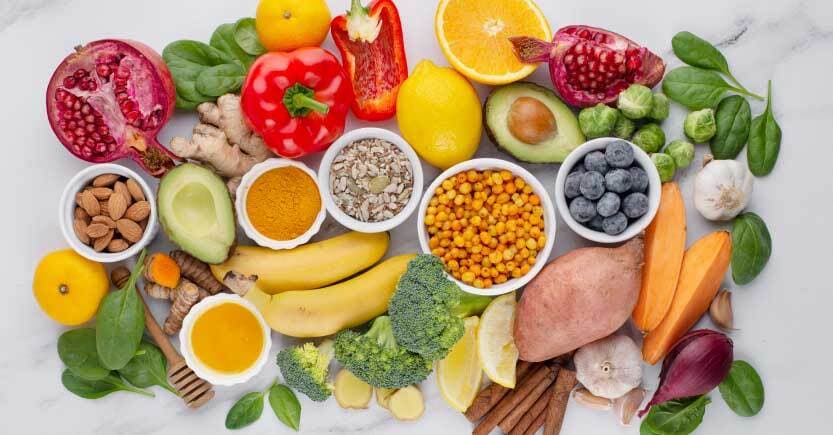
We often feel that eating breakfast, lunch, and dinner is enough to keep our bodies healthy. But that is just the bare minimum. Your body needs more than just regular meals, it needs the right balance of nutrients to truly function at its best.
While a balanced diet is essential, many of us overlook the importance of including both macronutrients and micronutrients in the right amounts. Regular food alone doesn’t always meet these needs, which is why conscious meal planning is key.
About 80% of your strength and health comes from your diet, while the remaining 20% is supported by regular physical activity. Eating is not just about filling your stomach, it is about nourishing your gut health and body with everything it needs to repair, grow, and thrive.
Let’s dive deeper into some of the most overlooked nutrients that play a vital role in your daily health and well-being.
10 Most Overlooked Nutrients in Your Daily Routine
While every nutrient plays an essential role in keeping us healthy, some often miss the mark until their absence starts causing problems. Deficiencies in these can affect everything from your energy levels to your immunity, hormones, and even mental health. To have a complete healthy lifestyle, include these nutrients in your balanced diet:
1. Iron deficiency
Iron plays an important role in the production of red blood cells and the transport of oxygen throughout your body. Without enough iron, your body struggles to deliver oxygen properly, leading to fatigue, weakness, poor concentration, and anemia. Include red meat, poultry, seafood, beans, spinach, and green leafy vegetables with a source of Vitamin C (squeeze of lemon).
Quick fact: Iron-deficiency in childhood causes lasting IQ and attention problems; supplementation can change a child’s future prospects by improving brain development and learning capacity.
2. Iodine deficiency
Iodine is essential for producing thyroid hormones, which regulate metabolism, energy levels, and overall growth and development. A lack of iodine can cause hypothyroidism, goiter, and developmental issues in children. Include seaweed, dairy, seafood, iodized salt, and eggs in your diet.
Quick fact: Children living in iodine-deficient areas exhibit slower learning ability and impaired academic achievement.
3. Vitamin D deficiency
Vitamin D is vital for bone strength, muscle health, immune support, and reducing inflammation. Low levels of Vitamin D can lead to weak bones, frequent illness, muscle pain, hair loss, mood swings, and fatigue. Vitamin D sources are sunlight, fatty fish, fortified dairy, and egg yolks. For severe deficiencies, consult a doctor for vitamins supplements.
Quick fact: Vitamin D deficiency increases the risk of serious diseases beyond bone health: low levels are now linked to higher risks of autoimmune diseases, certain cancers, depression, and even increased mortality.
4. Vitamin B12 deficiency
Vitamin B12 is a vital component for red blood cell formation, brain function, and nerve health. A deficiency can cause anemia, fatigue, memory problems, and neurological issues. It is especially common among vegetarians, vegans, and older adults. Vitamin B12 sources are shellfish, eggs, meat, milk, and fortified cereals.
Quick fact: Treating B12 deficiency can fully reverse anemia.
5. Calcium deficiency
Calcium is crucial for strong bones, healthy teeth, proper muscle contraction, nerve function, and maintaining a steady heartbeat. A deficiency can result in osteoporosis, dental issues, muscle cramps, and even heart problems. Calcium-rich sources include dairy, fortified plant-based milks, tofu, almonds, and leafy green vegetables.
Quick fact: Adequate calcium intake throughout life can prevent osteoporosis, hip fractures, and reduce risk of early death—one of the most preventable causes for loss of mobility in aging.
6. Vitamin A deficiency
Vitamin A is essential for healthy vision, strong immunity, and glowing skin. A lack of this component can cause night blindness, frequent infections, and skin problems. Vitamin A sources include carrots, sweet potatoes, leafy green vegetables, and eggs.
Quick fact: Vitamin A supplementation in children globally has saved millions of lives by preventing blindness and lowering infectious disease death rates.
7. Magnesium deficiency
Magnesium supports nerve and muscle function, bone health, and energy production. Low levels may cause muscle cramps, mood swings, weakness, and irregular heart rhythms. Magnesium-rich sources are nuts, seeds, whole grains, leafy greens, and beans.
Quick fact: Magnesium repletion can resolve arrhythmias and reduce risks for heart attack or stroke.
8. Fiber
Fiber is often overlooked but is vital for digestion, heart health, and blood sugar control. Low intake can lead to constipation, higher risk of diabetes, heart disease, and even colon cancer. Fiber-rich sources include whole grains, beans, fruits, vegetables, chia seeds, and sweet potatoes.
Quick fact: Increasing dietary fiber not only relieves constipation but can cut risks for colon cancer, heart disease, and type 2 diabetes—changing life expectancy itself.
9. Selenium
Selenium is a trace mineral important for immunity, thyroid function, and brain health. A deficiency can weaken immunity, impair thyroid function, affect fertility, and speed up cognitive decline. Selenium rich sources are shellfish, eggs, Brazil nuts, and whole grains.
Quick fact: Restoring selenium levels is linked to better immunity, reduced risk of viral infections, and thyroid recovery for those with autoimmune disorders.
10. Zinc deficiency
Zinc plays a key role in immunity, wound healing, skin health, and growth. Deficiency can cause frequent infections, delayed growth, slow healing, and skin problems. Zinc-rich sources are meat, seafood, eggs, dairy, whole grains, and legumes. Zinc must be taken especially when travelling and areas with high populations.
Quick fact: Zinc supplementation reduces frequency and severity of respiratory infections, especially in children, making it a game changer for immune support globally.
Take charge of your nutrition today
Now that you have understood what the 10 most overlooked nutrients are, it is clear that eating regular meals just isn’t enough, your body needs the right balance of both macro and micronutrients to stay strong and energized. Food should not just fill your stomach; it should fuel your body from the inside, giving you strength and balance, and keep you feeling your best every day.
If you are unsure where to begin, Valeo health coaches are here to help with personalized meal plans tailored to your gut health, lifestyle, and goals. Start today, and give your body the nourishment it truly deserves.
FAQs
1. Why do I need more than just regular meals to maintain a healthy lifestyle?
While breakfast, lunch, and dinner provide energy, they do not always give your body the full range of nutrients it needs. A balanced intake of both macronutrients and micronutrients is required so your body functions at its best.
2. How do I know if I have a nutrient deficiency?
Common signs include fatigue, frequent illness, brittle nails, hair loss, mood changes, or poor concentration. However, the only reliable way is through a health check-up or lab tests.
3. Can’t supplements replace food-based nutrients?
Supplements can help in specific deficiencies but should not replace a balanced diet. Whole foods provide fiber, antioxidants, and other compounds that supplements alone cannot match.
4. Which nutrient deficiencies are most common in the UAE?
Vitamin D, Vitamin B12, Iron, and Calcium deficiencies are among the most commonly reported in this region due to dietary patterns and limited sun exposure.
5. How much sunlight do I need for Vitamin D?
Around 15–20 minutes of sunlight exposure, a few times per week, is beneficial. However, factors like skin tone, clothing, sunscreen, and time of day affect Vitamin D absorption—sometimes supplementation is still necessary.
6. Can a vegetarian or vegan diet cover all these nutrients?
Yes, but it requires careful planning. Nutrients like Vitamin B12, Iron, and Omega-3 may need fortified foods or supplements in plant-based diets.
7. What is the best way to increase fiber intake?
Add more whole grains, legumes, fruits, and vegetables. Simple swaps like brown rice instead of white rice or adding chia seeds to smoothies—make a big difference.
8. How do stress and lifestyle affect nutrient needs?
Chronic stress, lack of sleep, or high physical activity can deplete certain nutrients faster (like Magnesium and Vitamin C), making a balanced diet even more important.
9. Is it possible to overdose on vitamins and minerals?
Yes. While deficiencies are common, excessive supplementation (especially fat-soluble vitamins like A, D, E, K, and minerals like Iron) can cause toxicity. Always consult a doctor before high-dose supplements.
10. How can Valeo help me improve my nutrition?
Valeo health coaches provide personalized nutrition plans based on your lifestyle, lab results, and goals. They guide you in making small, practical changes that help prevent deficiencies and improve long-term health.