

The Connection Between Lipid Profiles and Diabetes: What You Need to Know
Are you diabetic? Understanding the relationship between lipid profile and diabetes is critical to managing overall wellness. For individuals with diabetes, it is essential to undergo a lipid profile test annually – and it’s always best to consult your doctor. This test measures blood cholesterol and triglyceride levels, which are important indicators of heart health.
Wondering why it is crucial for a diabetic patient to get tested annually?
Diabetes often causes abnormal lipid levels, increasing the risk of cardiovascular disease. Regularly checking these levels with a lipid profile test helps detect and manage risks early, contributing to better lifestyle choices. According to medical research, diabetes and related cardiovascular complications are major public health challenges worldwide, so it’s important to connect with us at Valeo Health. We have experts who can guide you on how to protect yourself and your loved ones – simply by taking a lipid profile test in Dubai.
This article takes a deep dive into the complexities of lipid profiles, their impact on diabetes, and what you need to know to maintain optimal health. But first, let's understand what diabetes and lipid profiles are.
What Diabetes Is?
Diabetes is a chronic condition characterized by high blood sugar levels, affecting millions of people worldwide. In 2021, the UAE monitored the statistics of total diabetic cases in adults, which amounted to 990,900 (Source: idf.org).
With this growing number, one of the key concerns for individuals with diabetes is the increased risk of cardiovascular diseases. These risks are closely linked to abnormalities in lipid profiles.
Not sure – if you are diabetic? Here are some warning signs and symptoms:
● Frequent urination
● Intense thirst and hunger (even if you eat)
● Extreme fatigue
● Blurred vision
● Cuts/bruises that are slow to heal
● Weight loss
● Tingling, pain, or numbness in hands/feet
If you experience any of these symptoms, it’s important to consult a healthcare professional at Valeo Health for proper diagnosis and management. Our experts will conduct essential tests and provide you with detailed results to help you understand and manage your condition effectively.
What are Lipid Profiles?
Lipid profiles, also known as lipid panels, are blood tests that measure the levels of different types of fats in the blood. This lipid profile test measures these components, including:
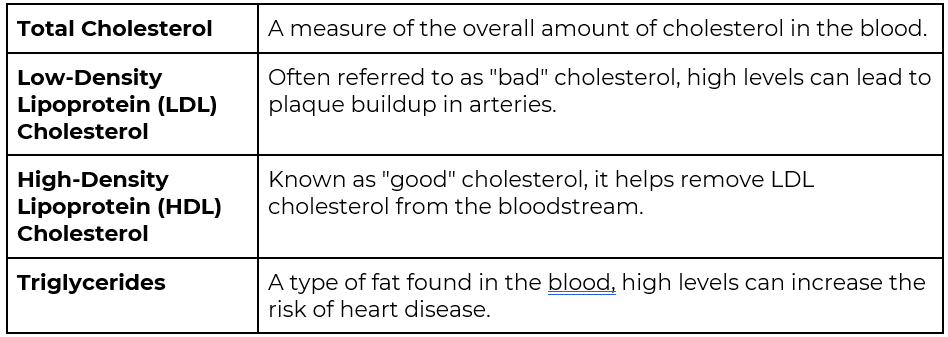
A type of fat found in the blood, high levels can increase the risk of heart disease.
Valeo Health offers the best Lipid Profile Test in Dubai – Want to book with us? If YES, visit the link: www.feelvaleo.com or call us at: +97148369592. We have experts who will visit your location, collect your samples and share the results with you within 24 hours.
How Diabetes Affects Lipid Profiles
Diabetes, particularly Type 2, often leads to abnormal lipid levels, a condition known as dyslipidemia. This typically manifests as:
● High LDL Cholesterol
People with diabetes often have smaller, denser LDL particles that are more atherogenic (likely to form plaque in the arteries). Several other cardiovascular complications can affect your health.
● Decreased HDL Cholesterol
Lower levels of HDL Cholesterol are common in diabetes, reducing the protective effect against heart disease, such as heart attack, congenital heart defects, heart muscle disease, etc.
● Elevated Triglycerides
High blood sugar can raise triglyceride levels, increasing cardiovascular risk. That's why doctors may ask you to continue to monitor your cholesterol levels—for example, with a lipid profile test or a random blood sugar test.
Insulin Resistance and Lipid Metabolism
Did you know that Type 2 diabetes has a core issue called insulin resistance? This means the body's cells do not respond effectively to insulin, affecting lipid metabolism in several ways:
1. Increased Fat Breakdown: Normally, insulin prevents the breakdown of fats. In insulin resistance, this control is weakened, leading to more free fatty acids in the blood and higher triglyceride levels.
2. Changes in Lipoprotein Production: The liver produces more very-low-density lipoprotein (VLDL), which is high in triglycerides. This happens because of the increased free fatty acids and can result in higher LDL("bad") cholesterol and lower HDL ("good") cholesterol.
Do you want to know more about how it’s affecting lipid metabolism? Then, you can visit the link: www.feelvaleo.com, our team helps you out about everything associated with the connection of diabetes and lipid profile.
The Impact of Abnormal Lipid Profiles in Diabetes
As we emphasized earlier in this article, abnormal lipid profiles in diabetes significantly increase the risk of cardiovascular disease (CVD), including heart attacks and strokes.
The combination of high LDL, low HDL and elevated triglycerides creates a particularly dangerous lipid profile known as "atherogenic dyslipidemia". This condition accelerates the development of atherosclerosis, the formation of fatty plaques in the arteries, which leads to narrowing and hardening of the arteries.
In the next section, discover about cardiovascular risk factors:
Cardiovascular Risk
Medical studies have indicated that people with diabetes are 2 to 4 times more likely to develop cardiovascular disease compared to people without diabetes. This increased risk is partly due to the adverse effects of dyslipidemia, which promotes:
● Atherosclerosis
● Endothelial Dysfunction
● Chronic inflammation
Managing Lipid Profiles in Diabetes
Next essential move is that you need to work on the effective management of lipid profiles which helps in reducing cardiovascular risk in people with diabetes.
These key strategies include:
Lifestyle Modifications
1. Diet: A heart-healthy diet low in saturated and trans fats, rich in fiber, and with a moderate intake of healthy fats (such as those from fish, nuts, and olive oil) can improve lipid levels.
2. Exercise: Regular physical activity helps raise HDL cholesterol and lower LDL cholesterol and triglycerides.
3. Weight Management: Achieving and maintaining a healthy weight can significantly improve lipid profiles and insulin sensitivity.
Medications
1. Statins: These drugs are commonly prescribed to lower LDL cholesterol and have been shown to reduce cardiovascular events in people with diabetes.
2. Fibrates: Used to lower triglycerides and, to a lesser extent, increase HDL cholesterol.
3. Niacin: Can raise HDL cholesterol and lower LDL cholesterol and triglycerides, but its use is limited due to potential side effects.
4. Omega-3 Fatty Acids: Supplements can help lower triglyceride levels.
For purchasing supplements, visit our store at www.feelvaleo.com.
Regular Monitoring
People with diabetes should have their lipid profiles checked regularly, typically once a year, so that any abnormalities can be monitored and promptly treated.
1. Call our team at your convenience.
2. A team will visit your location and collect samples
3. You will receive the results within 24 hours.
Closing Remarks
Understanding the link between lipid profiles and diabetes is key to managing the disease and preventing heart complications. By knowing how diabetes affects lipid metabolism and taking steps to manage lipid levels, individuals with diabetes can lower their risk of heart disease. Regular check-ups, lifestyle changes, and proper medications are essential for effective management, leading to better health and quality of life.
For any type of home blood tests — reach out to us at Valeo Health.