

Myth vs Facts: Clearing the Air About GLP-1
There has been a huge buzz around GLP-1 receptor agonists (GLP-1 RAs)1 medications like Ozempic weight loss, Mounjaro, and Wegovy. From celebrities to everyday people, these medications have transformed the way people manage metabolic health — improving weight, blood sugar, and even cardiovascular outcomes. However, GLP-1’s impact goes far beyond the scale and there are far too many myths about this drug which have blinded people’s judgement.
These medications don’t just reduce appetite—they enhance metabolic health, support brain function, and strengthen key systems that determine long-term resilience. In short, they are a powerful tool for healthy aging and sustained vitality.
However, before diving in, let’s understand what GLP-1 is and take a closer look at the facts and myths of this drug.
What is GLP-1?
GLP-1, also known as, glucagon-like peptide-1, is a glp 1 hormone secreted in the gut that plays a crucial role in regulating blood sugar levels and appetite. GLP-1 is important for the body as it helps prevent excessive spike in glucose after meals, slows the rate at which food leaves the stomach and enters the small intestine which increases the feeling of fullness, naturally reducing appetite.
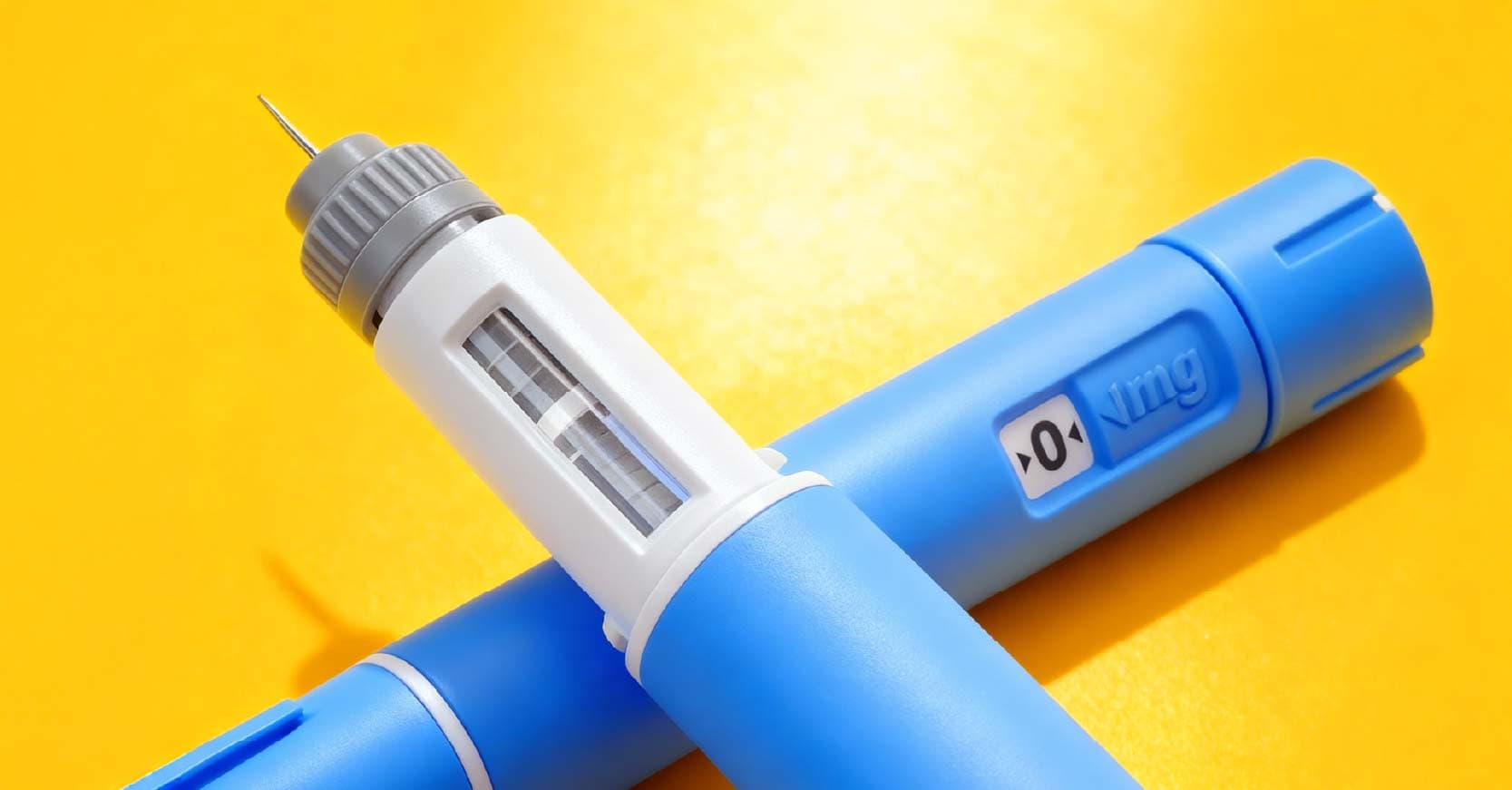
A GLP-1 drug refers to a medication that mimics the action of the naturally occurring hormone glucagon-like peptide-1 (GLP 1 hormone), primarily used to treat type 2 diabetes and obesity. These drugs are known as GLP-1 receptor agonists.
How do GLP-1 drugs work?
- GLP-1 drugs activate receptors on pancreatic beta cells and neurons in the brain.
- They stimulate insulin release (which lowers blood sugar), inhibit glucagon secretion (which otherwise raises blood sugar), and slow gastric emptying, resulting in better blood glucose control.
- They also enhance satiety, through central appetite regulation reducing food intake and supporting weight loss efforts.
Myths and Facts on GLP-1
As there is too much unnecessary information on GLP-1 weight loss out there, it is important to educate yourself and see which information to read and take into consideration whereas which one to ignore. Here are some of the myths and facts you should know about GLP-1.
Myth #1: GLP-1s are just another fad diet or shortcut
Fact: GLP-1s are evidence-based, FDA-approved medications designed to regulate appetite and blood sugar.
GLP-1 drugs are not fad diets or shortcuts; they are evidence-based and FDA-approved medications designed to regulate appetite and blood sugar. These drugs work by mimicking the natural hormone GLP-1, which increases insulin secretion, decreases glucagon release, slows gastric emptying, and reduces appetite, thereby improving blood glucose control and promoting weight loss. Unlike fad diets that offer temporary results, GLP 1 medications have undergone extensive clinical trials confirming their safety and effectiveness for specific metabolic conditions. They are prescribed as part of comprehensive treatment plans, often combined with lifestyle changes to support long-term health benefits.
Myth #2: Once you stop GLP-1, you gain all the weight back
Fact: Sustainable results depend on behavioral, nutritional, and medical continuity.
While stopping GLP-1 drugs can commonly result in weight regain, this outcome is not inevitable—sustainable results rely on ongoing behavioral, nutritional, and medical strategies. Studies show that most people regain some weight after stopping GLP-1 medications because the drugs help suppress appetite and regulate food intake; once withdrawn, body mechanisms that defend a higher weight set point become active again, increasing hunger and slowing metabolism. However, individuals who maintain healthy eating habits, regular physical activity, strong social support, and medical follow-up are more likely to keep weight off, even after discontinuing the medication. Long-term weight management success with GLP-1 drugs is therefore about integrating the medication with sustainable lifestyle changes and personalized care, not relying solely on the drug itself.
Myth #3: GLP-1s are unsafe or full of side effects
Fact: Like all medications, they can have side effects but when monitored by licensed healthcare professionals, GLP-1s are safe and effective.
GLP-1 drugs, when prescribed and monitored by licensed healthcare professionals, are considered safe and effective—though, like all medications, they can cause side effects. Extensive clinical trials and real-world studies have consistently demonstrated the benefits of GLP-1 receptor agonists for treating diabetes and obesity with a favorable risk-benefit ratio. The most common side effects are gastrointestinal, such as nausea, vomiting, diarrhea, and constipation, which generally become less severe over time or with dose adjustments. Regular medical supervision ensures that side effects are minimized and managed appropriately, making GLP-1 drugs a reliable option for eligible patients.
Myth #4: You don’t need to diet or exercise if you’re on GLP-1
Fact: GLP-1 enhances weight loss, but nutrition, sleep, and movement remain essential.
GLP-1 drugs enhance weight loss by reducing appetite and slowing digestion, but nutrition, sleep, and regular movement remain essential for achieving and maintaining results. Experts emphasize that GLP-1 medications are tools to support weight management, not replacements for healthy lifestyle habits. Following a balanced diet rich in protein and fiber, staying hydrated, and engaging in aerobic and strength-training exercises help preserve muscle mass, improve metabolism, and reduce medication side effects like constipation and nausea. Additionally, good sleep and stress management further support overall health and sustainable weight loss.
Myth #5: It’s only for diabetics
Fact: Originally developed for Type 2 Diabetes, GLP-1s are now approved for weight management in non-diabetic individuals with obesity or metabolic risk factors.
GLP-1 drugs are not limited to just treating diabetes—they now have FDA approvals for weight management in non-diabetic individuals with obesity or metabolic risk factors. Originally developed to help regulate blood sugar in people with type 2 diabetes, GLP-1 receptor agonists have undergone rigorous trials showing they are also effective in reducing hunger and leading to meaningful, sustained weight loss. These drugs are also being studied and authorized for conditions such as cardiovascular risk reduction, obstructive sleep apnea, and liver diseases like metabolic dysfunction-associated steatohepatitis (MASH). As a result, GLP-1 therapies now benefit a wider spectrum of people seeking metabolic health solutions beyond diabetes alone.
FAQs
1. What are some common GLP 1 medications?
Commonly prescribed GLP-1 receptor agonists include Ozempic (semaglutide), Mounjaro (tirzepatide), Wegovy (semaglutide), Rybelsus (oral semaglutide), and Saxenda (liraglutide). Each works in a similar way but may differ in dosage, frequency, and specific health indications.
2. How long does it take to see results with GLP-1 drugs?
Most people begin noticing reduced appetite and gradual weight loss within the first 4–8 weeks, but the most significant results typically appear after 3–6 months of consistent use, alongside healthy nutrition and movement.
3. Are GLP-1 drugs safe for everyone?
No. These medications are prescription-only and should be taken under medical supervision. They may not be suitable for people with certain conditions. Therefore, always consult a licensed healthcare provider before starting.
4. What are the common side effects of GLP-1s?
The most frequent side effects are mild to moderate nausea, bloating, diarrhea, constipation, or reduced appetite. These usually subside over time or can be managed through dose adjustments and dietary guidance.
5. Can I drink alcohol while taking GLP 1 medication?
Moderate alcohol intake is generally safe for most users, but because GLP-1s affect blood sugar and digestion, alcohol should be limited. Your doctor can provide tailored advice based on your medical history and goals.
6. Do I need to take GLP-1s forever?
Not necessarily. The duration depends on your goals, progress, and how your body responds. Many people use GLP-1s as a kickstart to metabolic reset, later transitioning to maintenance through nutrition, exercise, and ongoing medical support.
7. How do GLP-1 drugs compare to traditional diet programs?
Unlike short-term diet plans, GLP-1 medications target biological pathways that influence hunger, satiety, and glucose regulation. When paired with lifestyle changes, they help create sustainable, long-term metabolic health rather than temporary results.
8. How can I get started with GLP-1 treatment in Dubai?
At Valeo Health, our doctors offer at-home consultations, personalized GLP-1 treatment plans, and continuous medical support to ensure your journey is safe, effective, and tailored to your needs.
References
- Drucker DJ. Mechanisms of Action and Therapeutic Application of GLP-1 Receptor Agonists. Cell Metabolism. 2022;36(4):645–659.
DOI: 10.1016/j.cmet.2022.03.012 - Wilding JPH, et al. Once-Weekly Semaglutide in Adults with Overweight or Obesity (STEP 1). New England Journal of Medicine. 2021;384(11):989–1002.
DOI: 10.1056/NEJMoa2032183 - Wilding JPH, et al. Weight Regain and Cardiometabolic Effects After Withdrawal of Semaglutide: The STEP 1 Extension. Diabetes, Obesity and Metabolism. 2022;24(8):1553–1564.
DOI: 10.1111/dom.14725 - Jastreboff AM, et al. Tirzepatide Once Weekly for the Treatment of Obesity (SURMOUNT-1). New England Journal of Medicine. 2022;387:205–216.
DOI: 10.1056/NEJMoa2206038 - Marso SP, et al. Semaglutide and Cardiovascular Outcomes in Patients with Type 2 Diabetes (SUSTAIN-6). New England Journal of Medicine. 2016;375:311–322.
DOI: 10.1056/NEJMoa1607141 - Newsome PN, et al. A Placebo-Controlled Trial of Subcutaneous Semaglutide in Non-Alcoholic Steatohepatitis (NASH). New England Journal of Medicine. 2021;384:1113–1124.
DOI: 10.1056/NEJMoa2028395 - Nauck MA, Meier JJ. Incretin Hormones: Their Physiology and Pathophysiology. The Lancet Diabetes & Endocrinology. 2023;11(3):177–190.
DOI: 10.1016/S2213-8587(22)00328-9 - Frias JP, et al. Tirzepatide versus Semaglutide Once Weekly in Patients with Type 2 Diabetes (SURPASS-2). New England Journal of Medicine. 2021;385(6):503–515.
DOI: 10.1056/NEJMoa2107519 - U.S. Food and Drug Administration (FDA). Ozempic® (semaglutide) [Prescribing Information]. Novo Nordisk A/S; 2024.
https://www.accessdata.fda.gov/
European Medicines Agency (EMA). Wegovy (semaglutide) – Summary of Product Characteristics. EMA; 2024.
https://www.ema.europa.eu/ - EASO (European Association for the Study of Obesity). Semaglutide and Tirzepatide Recommended as First-Line Treatment of Obesity and Most of Its Complications. EASO Guidance, 2024.
https://easo.org/