


Beyond Alcohol: Common Causes of Abnormal Liver Function Test Results
The liver is a vital organ responsible for many functions necessary to maintain overall health. The liver plays an important role in metabolism, digestion, detoxification and removal of substances from the body - that's why it's essential to have a Liver Function Test Dubai – easily accessible at Feelvaleo website or app.
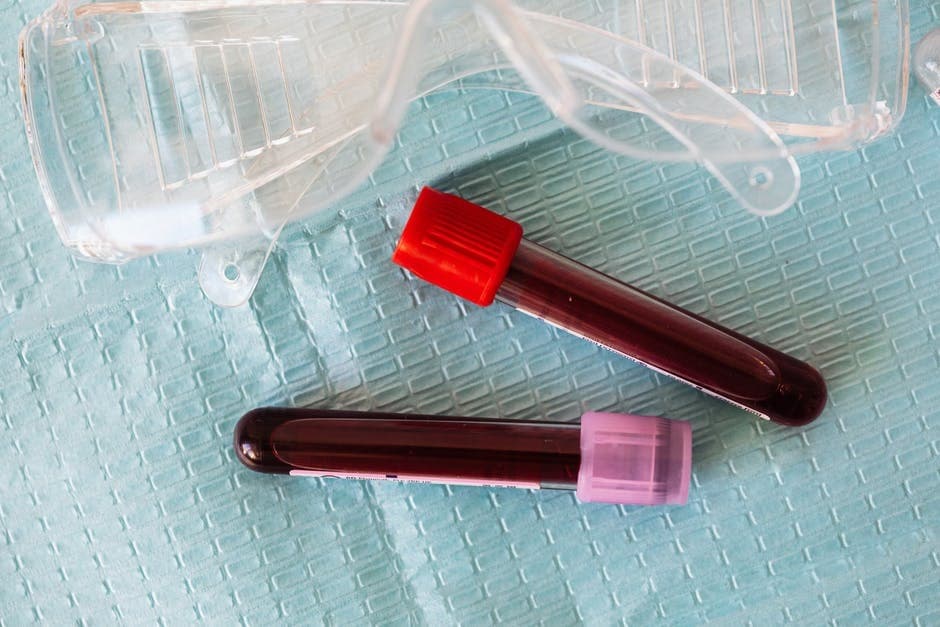
Liver function tests (LFTs) are simple blood tests that help assess liver health by measuring the levels of certain enzymes, proteins and substances in the blood. Understanding the common causes of abnormal LFT results is critical to identifying potential liver problems and taking appropriate measures to treat them.
This blog will help you better understand liver function tests and common causes of liver dysfunction.
Introduction of Liver Function Tests (LFTs)
Liver function tests (LFTs) provide valuable insights into the functioning of the liver and are commonly used to diagnose liver diseases and monitor liver health. Monitoring LFTs is particularly important for individuals at risk of liver diseases due to various factors such as alcohol consumption, obesity, and viral infections.
LFTs measure different substances in the blood that are produced or affected by the liver. Some of the common tests include:
● alanine aminotransferase (ALT)
● aspartate aminotransferase (AST)
● alkaline phosphatase (ALP)
● Bilirubin
● albumin
With our Liver Function Test Dubai, you can assess various aspects of liver function, such as liver enzyme levels, bile production, and protein synthesis.
Causes of Abnormal Liver Function Test Results
Abnormal LFT results can indicate liver damage or dysfunction. Several factors can contribute to abnormal LFT results, including:
- Alcohol consumption: Uncontrolled alcohol intake can lead to alcoholic liver disease, fatty liver, causing inflammation, and eventually cirrhosis.
- Non-alcoholic fatty liver disease (NAFLD): NAFLD is characterized by the accumulation of fatty acid in the liver and is often associated with obesity, insulin resistance, and metabolic syndrome.
- Hepatitis: Viral hepatitis (e.g., hepatitis B and C) and autoimmune hepatitis can be a reason to cause liver inflammation and damage, leading to abnormal LFT results.
- Medications and supplements: Certain medications and supplements, including over-the-counter medications, prescription drugs, and herbal supplements, can affect liver function and cause elevated liver enzymes.
- Obesity and metabolic syndrome: They both are risk factors for NAFLD and can contribute to liver inflammation and damage.
- Diabetes: Unbalanced diabetes can increase the risk of fatty liver disease and other liver complications. Maintain your blood sugar levels for better well-being.
- Liver cirrhosis: Advanced liver cirrhosis, often resulting from chronic liver diseases such as hepatitis and alcoholism. This can further lead to significant liver dysfunction and abnormal LFT results.
- Hemochromatosis: Hemochromatosis is a genetic disorder characterized by increasing iron absorption, which can lead to iron overload in the liver and other organs of the body part.
- Wilson's disease: Wilson's disease is a rare inherited disorder that causes copper accumulation in the liver and other organs, leading to liver damage and dysfunction.
- Alpha-1 antitrypsin deficiency: Alpha-1 antitrypsin deficiency is a genetic disorder that can cause liver disease, lung disease, jaundice, etc.
- Gallstones: Gallstones can obstruct the bile ducts and lead to liver inflammation and elevated liver enzymes.
- Liver cancer: Primary liver cancer and metastatic liver tumors can cause abnormal LFT results due to liver damage and impaired function.
Symptoms and Complications
Signs of liver dysfunction may include:
● Fatigue
● Abdominal pain
● Jaundice
● Unexplained weight loss
● Nausea
● Weakness
Other complications of abnormal LFT results may include:
● Ascites
● Liver failure
● Portal hypertension
● Hepatic encephalopathy.
Diagnosing the underlying cause of abnormal LFT results often requires a comprehensive evaluation, including a detailed medical history, physical examination, additional blood tests, imaging studies (e.g., ultrasound, CT scan), and sometimes liver biopsy.
Are you searching for a blood test near me using the search engine? If yes, get connected with our lab technician, they will visit your place and take blood samples as per medical protocols.
Treatment and Preventive Measures To Be Considered
Treatment and preventive measures for abnormal LFT results depend on the underlying cause. It may include lifestyle modifications, such as weight loss and dietary changes. Alcohol cessation is often recommended if excessive drinking is a factor. Medications can help control symptoms and underlying conditions contributing to abnormal LFT results. In some cases, surgical interventions or liver transplantation may be necessary for severe liver damage.
Conclusion
Regular monitoring of liver function tests is crucial for early detection and maintaining liver diseases on-time. That is why, we always focus on the common causes of abnormal LFT results because it can help people to take proactive steps for keeping their liver healthy and reduce the risk of complications.
If you want any more information about LFTs – contact our representative at Feelvaleo.