



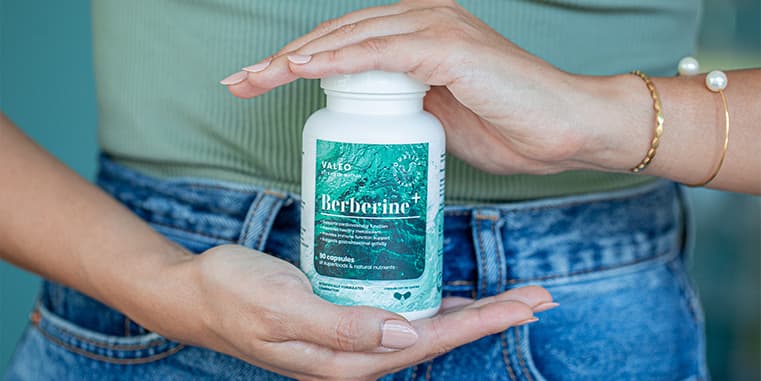
Berberine Supplements: Benefits, Side Effects and Potential Downsides
Natural substances like berberine have been used for a very long time in traditional medicine, especially in Chinese and Ayurvedic treatments. Because of its possible health berberine benefits, it has become more and more popular as a dietary supplement over time.
Well, no one can argue with the many benefits of berberine, but to use it wisely, one must be aware of its disadvantages and possible downsides. This enables you to decide if they are right for you or not.
In this comprehensive guide, you’ll uncover all about berberine supplements; including benefits and drawbacks.
What is Berberine?
Berberine is a compound found naturally in many plants. Some studies show it may help promote weight loss, improve blood sugar regulation, and protect against certain chronic diseases. However, it has some common side effects, including diarrhea, constipation, bloating, and stomach upset.
How Does Berberine Drugs Work?
Berberine has a versatile range of functions in cellular processes, with one of its essential roles being the activation of AMP-activated protein kinase (AMPK), as demonstrated in numerous animal studies. AMPK is a fundamental enzyme distributed throughout all cells of the body, playing an important role in regulating metabolism and energy levels.
Additionally, berberine exerts its influence on various molecules in cells, demonstrating its ability to regulate gene expression by turning specific genes on or off. This multifaceted action suggests that berberine has the potential to protect against a variety of chronic health conditions.
Now, let’s dig deeper into berberine benefits and side effects.
Top 5 Berberine Benefits
Before diving into the downsides, let's first explore the various benefits associated with berberine supplements. Choosing a high-quality berberine supplement for metabolic support with a transparent formula and standardised Berberine HCl content can help you make an informed decision.
Here are top five berberine benefits:
1. Blood Sugar Management
Berberine supplements are known to enhance insulin sensitivity, improve glucose metabolism, and reduce sugar production by the liver. These mechanisms make it an effective tool for individuals with type 2 diabetes or those looking to regulate their blood sugar levels.
2. Cholesterol Reduction
Berberine can lower LDL cholesterol levels by increasing the expression of LDL receptors in the liver, reducing triglycerides, and mitigating inflammation in blood vessels. Lowering LDL cholesterol is pivotal in reducing the risk of heart disease.
3. Weight Management
Berberine stimulates AMPK, controls hunger, and reduces fat tissue, all of which may help with weight loss and reducing body fat. Although the exact mechanisms are still unclear, it appears to have potential for aiding in weight management.
4. Gastrointestinal Health
Berberine may promote a healthier gut environment by balancing the gut microbiome, providing antibacterial and anti-inflammatory effects, and reducing diarrhea and cramps, making it a viable option for people with irritable bowel syndrome (SCI).
5. Anti-Inflammatory Effects
Berberine's anti-inflammatory properties work by inhibiting inflammatory pathways, acting as an antioxidant, and reducing the production of inflammatory cytokines. These properties can benefit individuals with various inflammatory conditions, offering potential relief from symptoms.
Top 5 Berberine Supplement Downsides
Berberine is generally considered safe, but further research into its long-term safety is needed. Some people have reported gastrointestinal side effects, such as diarrhea, constipation, bloating, and stomach pain when using berberine supplements.
Gastrointestinal Distress: One of the most common side effects of berberine is digestive upset, including diarrhea, constipation, cramping, and abdominal pain.
Starting with a lower dose of berberine supplement and gradually increasing it can help mitigate these effects.
High dosage of berberine drug can carry the additional risk of hypoglycemia due to its ability to lower blood sugar levels. But berberine inhibits some drug-metabolizing enzymes, which means that when combined with other medications or supplements, there's a serious chance of unintended drug interactions.
Although berberine has exciting potential benefits, it is important to be aware of these risks and speak to our healthcare professionals before using it.
Below, we listed some major berberine downsides:
- Drug Interactions: Berberine may interact with certain medications, potentially impacting their effectiveness. If you are taking prescription drugs, consult with our healthcare professional before using berberine supplements.
- Potential Liver Concerns: Research has shown that berberine may have negative effects on the liver. Individuals with liver conditions should be cautious and consult with a healthcare provider.
- Allergic Reactions: Although there are rare allergic reactions of berberine that have been reported by some individuals. If you have hives, swelling, or difficulty breathing, seek immediate medical attention.
- Berberine Dosage: Finding the right dosage can be difficult because each individual's response is different. It is essential to start with a lower dose and gradually increase, monitoring for any side effects.
- Long-Term Use: The long-term safety of berberine supplements are still not well-established, and more research is needed to determine their safety over extended periods.
Are you looking for a berberine supplement? Or want to know more about berberine benefits or downsides? If so, you can contact our team of experts at Feelvaleo.com.
Frequently Asked Question
Q. Does berberine have side effects?
Answer: Some people may experience digestive side effects such as bloating, constipation, diarrhea or stomach discomfort. Individuals taking medication or managing health conditions should consult a healthcare professional before using berberine.
Q. Is berberine safe to take daily?
Answer: Berberine is commonly used as a dietary supplement when taken according to recommended directions. However, daily use may not be suitable for everyone, especially people taking medications, pregnant women or individuals with specific health conditions.
Q. How much berberine should I take?
Answer: Berberine dosage varies depending on the formulation and individual needs. It is recommended to follow the product instructions and seek professional advice when needed.
Q. Is berberine similar to Ozempic?
Answer: No. Berberine and Ozempic are different. Ozempic is a prescription medication containing semaglutide, while berberine is a plant-derived compound used as a dietary supplement for metabolic wellness support.