



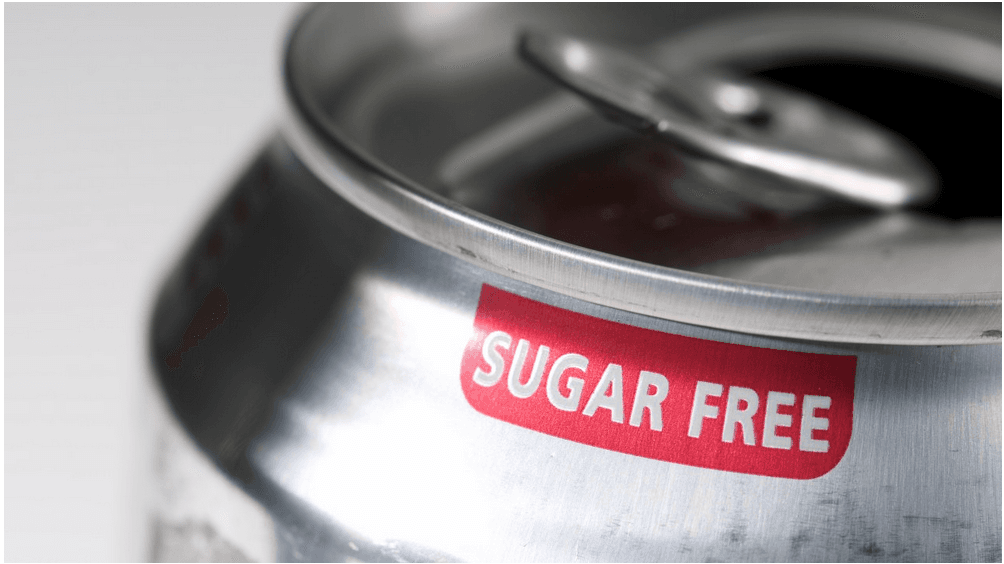
Why “Sugar-Free” Snacks Aren't Helping Your Blood Sugar
Think “sugar-free” means safe for your blood sugar? Think again! Groundbreaking research from the University of Texas at Austin reveals that ultra-processed foods—especially those labeled as “diet” or “sugar-free”—may be doing more harm than good for people with Type 2 diabetes. Let’s unpack the risks hidden in these foods and explore practical strategies for managing blood sugar, especially if you're balancing a busy work life.
The Truth About Ultra-Processed Foods and Blood Sugar Spikes
The University of Texas study found that adding just 10% more ultra-processed foods to your diet can increase your HbA1C levels by 0.28%. For those unfamiliar, HbA1C is a key measure of average blood sugar over 3 months, and every little increase counts for those managing diabetes.
What’s surprising? This impact isn’t just about sugar or salt. Ultra-processed foods are filled with synthetic additives like artificial sweeteners, colors, refined carbs, and unhealthy fats such as trans fats and preservatives, which may disrupt blood sugar control in ways we’re only beginning to understand. Those who ate more whole or minimally processed foods, in contrast, had better HbA1C levels. This new insight suggests that we should be focusing on minimizing ultra-processed foods for better diabetes management.
Why These Foods Are Especially Harmful for People with Diabetes
Ultra-processed foods are marketed as “quick and convenient,” but their synthetic ingredients can have lasting effects on blood sugar control. Research suggests that artificial additives—beyond just sugar or salt—may interfere with metabolism, increase inflammation, and contribute to long-term health risks such as obesity, heart disease and diabetes. So, if you’re managing Type 2 diabetes, choosing more whole, unprocessed foods could significantly support stable blood sugar.
Managing Diabetes at Work: Practical Tips for Better Blood Sugar Control
Managing diabetes alongside work can be challenging, but with a few strategic choices, you can support better blood sugar levels throughout your day. Here’s how:
- Prioritize Whole Foods in Meal Prep Preparing balanced meals with whole foods—such as vegetables, lean proteins, healthy fats, and whole grains—can help reduce the temptation to rely on high-sugar, high-sodium processed snacks.
- Stick to Natural Hydration Many diet sodas and artificial drinks can still affect blood sugar. Try to choose water, herbal teas, or naturally infused waters to stay hydrated without hidden additives.
- Keep Healthier Snacks Accessible Having minimally processed snacks like unsalted nuts, seeds, whole fruits or plain yogurt on hand at work can help you avoid vending machines or high-sugar alternatives.
- Incorporate Movement into Your Day (Every 1 to 2 hours)
Sitting for long periods can impact insulin sensitivity, making it harder to manage blood sugar. Short walks or stretches during breaks can help improve blood sugar control.
- Monitor Your Levels Consistently Using at-home HbA1C testing can give you regular insights into how your food choices are affecting your blood sugar, allowing you to adjust as needed.
Berberine: A Natural Solution for Blood Sugar Management

For those looking to manage diabetes holistically, Valeo Health offers Berberine, a natural supplement that has shown promising results in regulating blood sugar and cholesterol. Clients who added Berberine+ to their routine have reported healthier HbA1C levels starting 7 months.
The case study demonstrates a consistent reduction in blood sugar levels among participants taking Berberine daily. This trend indicates Berberine potential to assist in blood sugar management.