

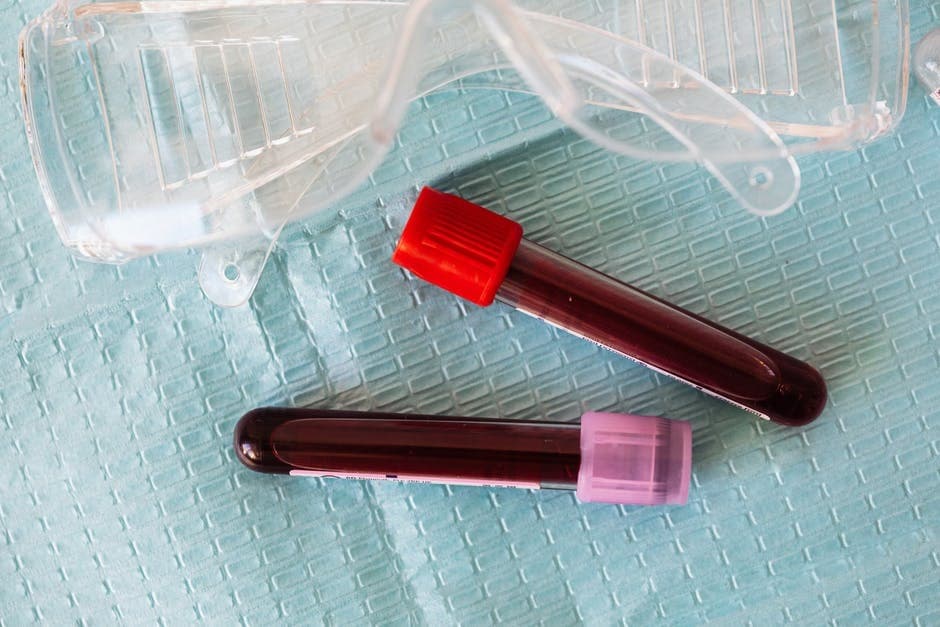
Fatigue? Anxiety? Depression? It May Be a Hidden Food Allergy
People with allergies may be aware that their sniffles and sneezes are caused by an allergen, but these allergies may not always manifest as general symptoms. These allergic reactions can sometimes cause fatigue, headaches, anxiety, depression and even hopelessness.
Although not everyone agrees that there is a link between these diseases and allergies, there are many studies that strongly support this. But here's what was found and how to manage your allergies to alleviate each problem.
Because there's a chance these symptoms are caused by hidden food allergies instead of just the flu!
This blog will help you understand how food allergies can cause fatigue, anxiety, or depression, and how a food allergy test can help you discover the underlying link.
Connection Between Food and Mood
Food and mood are closely linked, as we all know, we reach for comfort food when we are depressed, but it is important to understand that our diet can have a long-term effect on our emotional state.
Many studies have mentioned that unhealthy eating habits can cause mood swings. Fluctuations in blood sugar and nutritional imbalances are often to blame. Without a constant source of fuel from the food we eat, our mind and body will not function well.
Again, if you want to know the cause of your food allergies or sensitivities, you need to take a food intolerance test, which is available on Feelvaleo.com at a very reasonable price.
Let’s discover more in-depth all about the reasons behind hidden allergies!
Hidden Culprits Behind Food Allergies
When your immune system responds to specific proteins in the foods you consume, it may indicate the presence of a hidden food allergy. Unlike immediate and severe allergic reactions, food sensitivities typically lead to delayed and more subtle responses.
However, these reactions can vary from person to person but frequently include:
● Fatigue: Feeling tired or lethargic is one of the main signs behind hidden food allergies. This exhaustion can make it difficult to concentrate, work, or enjoy life to the fullest.
● Anxiety: This characterized by excessive worrying, restlessness, and feelings of dread, can be linked to food sensitivities. The body's inflammatory response to allergenic foods may affect the brain's chemistry and contribute to anxiety.
● Depression: Food allergies may potentially contribute to the emergence or severity of depression symptoms. The inflammation generated by these allergens might cause changes in neurotransmitter levels, potentially affecting mood and mental health.
● Digestive Issues: Usually, gastrointestinal symptoms like bloating, diarrhea, and abdominal pain often accompany hidden food allergies. These digestive disturbances can further exacerbate the other symptoms, like weight fluctuation or obesity.
However, at feelvaleo.com, we offer reasonable food allergy tests and special treatment based on healthy nutrient value.
How to Identify Hidden Food Allergies?
Recognizing hidden food allergies can be challenging because symptoms are often delayed, and they may not appear immediately after eating the problematic food. That’s why it’s always appreciated to get a food allergy test or comprehensive food intolerance test.
Below, we compile a list of the steps that help you identify potential food sensitivities:
● Keep a Food Diary: Create a journal and document what you eat and how you feel throughout the day. Look for patterns in your symptoms and possible trigger foods.
● Elimination Diet: Try to eliminate the diet with alternative products under the guidance of a health professional or nutritionist. This process involves removing common allergenic foods from the diet for a few weeks and then gradually reintroducing them to identify the real culprits.
● Allergy Testing: Blood tests and skin prick tests can detect certain food allergies or sensitivities. That's why it's always important to consult an allergist or immunologist to find other ways to reduce the culprit food items.
● Pay Attention to Labels: When grocery shopping, read food labels carefully for hidden ingredients or allergens. Some foods contain small amounts of allergens that can cause reactions.
What To Do Manage Hidden Food Allergies?
Once you've identified your hidden food allergies, the next step is to manage them effectively. Although, our team at Feelvaleo, usually offers alternative food items that can fulfill your body’s nutrients and protect you from deficiencies.
Here are some strategies to help you manage food allergies!
- Eliminate or significantly reduce the foods that trigger your symptoms.
- Consult a registered dietitian or nutritionist for advice on maintaining a balanced diet and avoiding allergenic foods.
- Consider complementary therapies such as acupuncture, meditation or yoga to manage the stress and inflammation associated with food.
- Medicines or supplements may be prescribed to relieve symptoms or control inflammation.
Get Tested Today To Uncover Fatigue, Anxiety, and Depression Causes
Hidden food allergies can present with a variety of symptoms, such as fatigue, anxiety, and depression. Identifying and treating these allergies is essential to improving your overall health and well-being.
Suppose you suspect that an underlying food allergy may play a role in your symptoms, you should consult your doctor or allergist. They help you with a thorough diagnosis by performing food allergy tests and diet recommendations.
With the help of controlled food choices and effectively managing food sensitivities, you can regain vitality and emotional balance. Which ultimately leads to a happier, healthier lifestyle.