
Can a CBC Test Detect Vitamin Deficiencies Common in Dubai Residents?
With burning temperatures outside, most people stay indoors. They move between air-conditioned homes, offices, and malls. This means very little exposure to natural sunlight.
Over time, this indoor lifestyle can create nutrient gaps. You may not even know it. These gaps can leave you feeling tired, weak, or unwell. Sometimes, the cause is hard to spot.
When you feel off, doctors often start with a Complete Blood Count (CBC) test. It’s the most common blood test. But it doesn’t always show low levels of vitamins like D, B12, or iron. These are common deficiencies in Dubai.
The good news? A few small changes can help.
- Eat mindfully
- Take the right supplements
- Get safe sun exposure.
The first step is to notice the problem. Don’t wait until your health suffers.
Let’s find out more in-depth whether the CBC blood test in Dubai really identifies the vitamin deficiencies or not.
Understanding the CBC Test
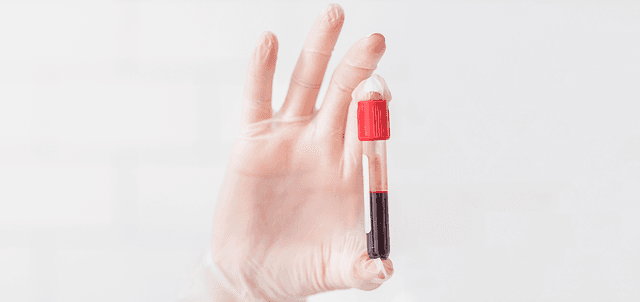
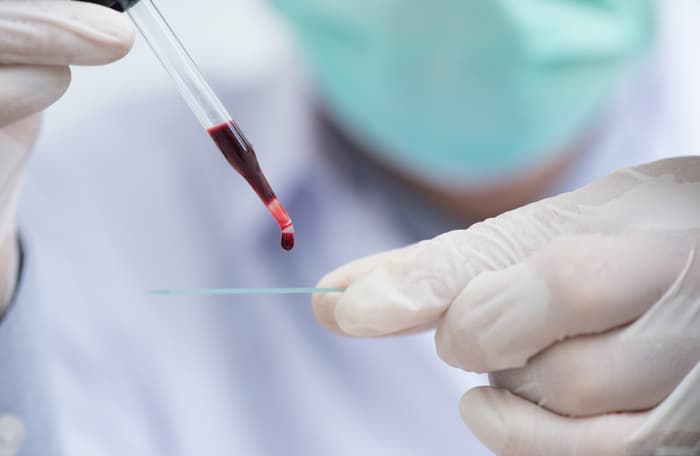
A Complete Blood Count (CBC) is a basic blood test. It gives your doctor a quick look at your blood health.
It measures different parts of your blood, like:
● Red blood cells – they carry oxygen.
● White blood cells – they fight infections.
● Hemoglobin – a protein in red blood cells that carries oxygen.
● Hematocrit – the amount of blood made up of red blood cells.
● Platelets – help with blood clotting.
This test helps doctors find problems like anemia, infections, and certain types of cancer. But it has limits. It doesn’t show exact vitamin levels. For that, you’ll need other tests.
Which Vitamin Deficiencies Can a CBC Detect?
While a complete blood count test isn't designed specifically to measure vitamin levels—it can provide valuable clues about certain deficiencies—again only experts can guide you in this matter.
However, these are some which can be deducted with this simple CBC test:
1. Vitamin B12 and Folate Deficiencies
CBC can sometimes show macrocytosis. This means your red blood cells are larger than normal. It’s often a sign of low B12 or folate levels.
These vitamins help your body make healthy red blood cells. Without them, your red blood cells may change in shape and size.
This matters even more in Dubai, where many people follow vegan or vegetarian diets. That’s because B12 is mostly found in animal-based foods.
2. Iron Deficiency
A CBC test checks your hemoglobin level. It can show microcytic anemia—this means smaller-than-normal red blood cells. This is often a sign of low iron.
Iron deficiency is especially common among women of reproductive age in Dubai and can cause these symptoms:
- Fatigue & Tiredness
- Weakness
- Body Sweling
- Reduced Cognitive Function
Other Common Vitamin Deficiencies in Dubai That CBC May Miss
Despite its usefulness, a CBC alone cannot detect several vitamin deficiencies prevalent among Dubai residents:
1. Vitamin D Deficiency
One of the most surprising and common deficiencies in Dubai is vitamin D.
Even though there’s plenty of sunshine, many people still don’t get enough. Why? Most of us spend our time indoors, wear covered clothing, or avoid the sun for skin safety. All these factors limit the body’s natural vitamin D production.
A CBC test can’t detect vitamin D levels, so this deficiency often goes unnoticed unless you take a specific vitamin D test.
At Valeo Health, we offer IV Drip Therapy—a fast and effective way to restore healthy levels. It’s ideal for those feeling tired, low on energy, or dealing with weak bones or immunity.
Interested in boosting your vitamin D the smart way? Visit www.feelvaleo.com to schedule your session!
2. Calcium Deficiency
Vitamin D deficiency often goes hand in hand with low calcium levels—and both are common in Dubai.
Your body needs vitamin D to absorb calcium properly. Without enough of either, you may face issues like weak bones or muscle cramps.
But keep in mind—a CBC test won’t show your calcium levels. You’ll need a separate blood chemistry test to find out.
Need quick help? Try our ‘Doctor on Call’ service. We’ll connect you with a qualified doctor who can guide you on the right diet, supplements, or medications.
It’s a simple step that can make a big difference for your health!
3. Other B Vitamins
While the CBC test may hint at B12 deficiencies, it cannot detect insufficient levels of other B vitamins, like:
- B1 (thiamine)
- B2 (riboflavin)
- B6 (pyridoxine)
4. Vitamin C, E, and K
These are also important vitamins that require specific tests beyond the scope of a standard CBC. For help, visit us at www.feelvaleo.com.
Why Vitamin Deficiencies Are Common in Dubai
There are several factors that contribute to the prevalence of vitamin deficiencies in Dubai:
1. Limited sun exposure – As mentioned earlier, despite the desert climate, many residents minimize time outdoors due to extreme heat and indoor-centric lifestyles.
2. Dietary habits – Being busy and tight schedules often lead to convenience foods that lack nutritional diversity.
3. Genetic factors – Some ethnic groups in Dubai's diverse population have genetic predispositions to certain deficiencies.
4. Digestive issues – The stress of urban living can affect gut health and nutrient absorption.
5. Food availability – Much of Dubai's food is imported, which can affect nutritional content.
Beyond the CBC: Tests for Comprehensive Vitamin Assessment
If you suspect vitamin deficiencies, your healthcare provider may recommend additional tests:
● Specific vitamin assays – Direct measurements of vitamins D, B12, folate, and others
● Serum ferritin – A more sensitive test for iron stores
● Homocysteine levels – Can indicate B vitamin deficiencies
● Methylmalonic acid – A specific marker for B12 deficiency
5 Practical Steps for Dubai Residents
Rather than relying solely on a Complete Blood Count (CBC) test in Dubai to detect vitamin deficiencies, consider these proactive approaches:
1. Regular Comprehensive Testing
Schedule annual health check-ups that include both a CBC and specific vitamin level tests, especially for vitamin D, which affects over 80% of the UAE population according to some studies.
2. Dietary Adjustments
Incorporate diverse, nutrient-rich foods into your diet. Include leafy greens, nuts, seeds, whole grains, and if appropriate, animal products like eggs, dairy, and lean meats.
3. Strategic Supplementation
Based on test results and medical advice, consider appropriate supplements. Many Dubai residents benefit from vitamin D supplementation, particularly during the hottest months when outdoor activity is limited.
4. Safe Sun Exposure
Aim for brief periods of morning or late afternoon sun exposure without sunscreen on arms and legs (10-15 minutes) several times weekly, while being mindful of skin cancer risks.
5. Hydration
Dubai's climate increases fluid needs. Proper hydration supports nutrient transport and overall health.
When to Seek Medical Advice
At Valeo Health, we always guide our customers that when to consider consulting a healthcare provider if you experience:
● Persistent fatigue
● Unexplained weakness
● Hair loss
● Brittle nails
● Mood changes
● Poor concentration
● Muscle cramps
These symptoms could indicate vitamin deficiencies that a CBC alone might not detect. You might need some specific testing methods!
Final Thoughts
A CBC test gives useful health insights, but it doesn’t cover all the vitamin deficiencies common in Dubai — especially vitamin D.
Due to the city’s indoor lifestyle and unique environment, many residents need more than just basic tests. Regular health check-ups that include specific vitamin tests can help spot and treat hidden deficiencies early with Valeo Health.
With the right tests and small lifestyle changes, you can boost your energy, improve your well-being, and fully enjoy life in Dubai.
Understanding what a CBC can and can’t show is the first step to better health in this vibrant city.