
Flow with Your Cycle: Matching Your Health Style to Your Menstrual Phases
Dealing with the ups and downs of your menstrual cycle can be challenging, especially when it comes to managing PMS and period symptoms. However, by understanding the influence of hormonal changes on your body throughout the month, you can make lifestyle adjustments to achieve better balance and well-being. In this blog, we explore the concept of cycle syncing and how it can positively impact your mood, energy levels, and overall health during different phases of your menstrual cycle.
Understanding Cycle Syncing:
Cycle syncing involves aligning your daily routines with the phases of your menstrual cycle. Acknowledging the fluctuations in sex hormones can help you adapt your diet, exercise, work, and social activities to suit your body's changing needs. While the concept gained popularity through Alisa Vitti's book, WomanCode, it's essential to note that the specific program hasn't undergone clinical research. Nevertheless, various studies support the link between mood and activity levels with each menstrual phase.
The Benefits of Cycle Syncing:
1- Reduces PMS symptoms, such as cramps and irritability.2- Improves mood and emotional well-being.3- Enhances energy levels during high-intensity phases of the cycle.4- Lowers stress levels by aligning activities with hormonal fluctuations.5- Supports hormonal balance in individuals with conditions like PCOS.6- Promotes better understanding of one's menstrual cycle and body's patterns.
How to Sync with Your Cycle:
Understanding your menstrual cycle's phases is crucial for effective cycle syncing. The typical cycle lasts 28 days and can be divided into four phases:Menstrual Phase (days 0 to 7): Low energy due to decreased estrogen levels.Follicular Phase (days 8 to 13): Energy levels rise with increased estrogen.Ovulation Phase (days 14 to 15): Peak energy as estrogen and testosterone surge.Luteal Phase (days 16 to 28): PMS symptoms may arise as progesterone increases.
Syncing Your Diet:
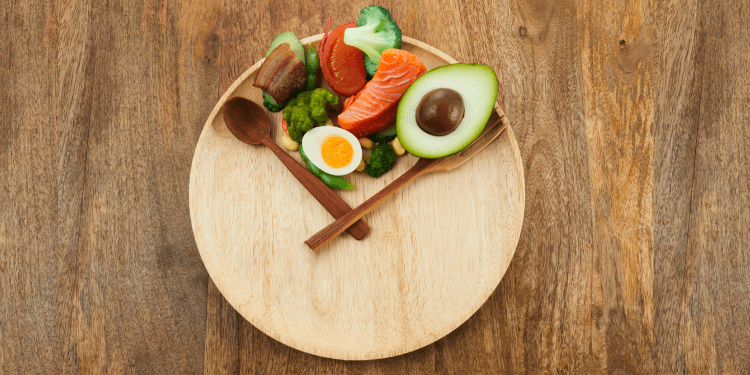
Your nutritional needs change during each phase of the menstrual cycle. To support your well-being, create meal plans and shopping lists tailored to each phase. Consider these dietary tips for each phase:Menstrual Phase: Focus on iron-rich foods, vitamin C sources, vitamin K-rich options, and omega-3 fatty acids.Follicular Phase: Emphasize lean proteins, complex carbohydrates, cruciferous vegetables, fermented foods, and healthy fats.Ovulation Phase: Continue with estrogen-balancing foods and follow an overall healthy diet to support high-energy demands.Luteal Phase: Choose complex carbohydrates, high-fiber foods, and snacks like dark chocolate, fruit, nuts, and seeds to manage hunger and cravings.Remember, dietary choices can vary from person to person, so it's vital to listen to your body and discover what works best for you.
Cycle Syncing Your Exercise Routine:
To optimize your workouts and energy levels, consider matching the intensity of your exercise with each phase:Menstrual Phase: Opt for low-intensity activities like walking, stretching, or Pilates to accommodate reduced energy levels.Follicular Phase: Increase the intensity with cardio-based workouts such as running, swimming, or group fitness classes.Ovulation Phase: Take advantage of peak energy with high-intensity workouts like boot camp, kickboxing, or spinning.Luteal Phase: Engage in medium-intensity cardio and strength training exercises while considering slower activities as your period approaches.Understanding and embracing cycle syncing can empower you to tune in to your body's needs throughout your menstrual cycle. By making personalized adjustments to your nutrition and exercise routines, you can promote better balance, well-being, and overall health. Remember to listen to your body, as everyone's experience is unique. Take charge of your health today! Schedule your PCOS blood test and empower yourself with hormonal insights to manage and nurture your body more effectively.