


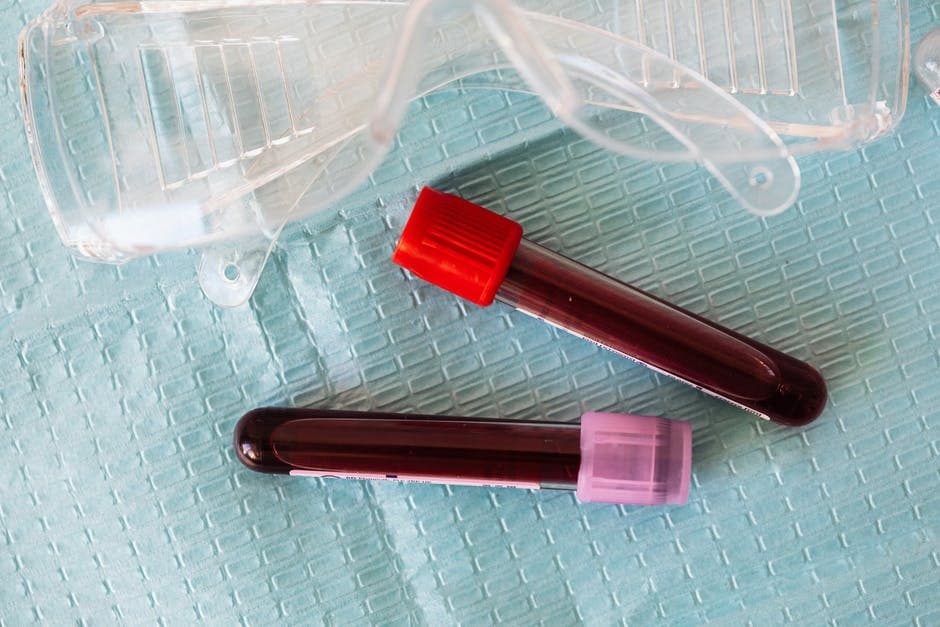
What Are The 4 Types of Diabetes Testing and Their Costs?
Blood sugar or glucose is an important component of blood that provides your body with energy. When blood sugar levels exceed the normal range, the person develops diabetes. This set degrades the person's health over time.
Basically, diabetes increases the risk of stroke, kidney failure, eye disease, hearing loss, and many other health complications. Therefore, it is important to monitor your blood sugar by doing a blood test for diabetes.
If you are looking for diabetes tests in Dubai then read this blog as we have listed 4 diabetes tests with average cost in Dubai.
4 Types of Diabetes Testing and Their Costs
Here are the four most common types of diabetes screenings:
- A1C test
- Fasting blood sugar test
- Random blood sugar test
- Glucose tolerance test
Our experts perform each test with medical care in the comfort of your home, office, or hotel room. At Feelvaleo.com we offer every test at a very reasonable and affordable price.
Let’s jump into the details of each test.
1. A1C Test
Did you know that the concept of measuring hemoglobin A1C levels to assess diabetes control was introduced in the 1970s? This innovative approach has revolutionized medicine as a way to monitor and manage diabetes by providing a reliable indicator of long-term average blood glucose levels.
The A1C test measures your average blood sugar over the past three months. This is the most common blood test to identify type 1 and type 2 diabetes and to monitor blood sugar in people with diabetes. Blood samples will be taken for the A1C test, and results are usually available within 24 hours.
However, if you want to read the results, the optimal level should be less than 5.7%. Because if a result between 5.7% and 6.4% suggests prediabetes, then 6.5% or more suggests diabetes.
2. Fasting Blood Sugar Test
Fasting blood glucose testing is not only used to diagnose diabetes but also plays a crucial role in assessing the risk of cardiovascular disease. These elevated fasting blood glucose tests can indicate insulin resistance and underlying metabolic problems, making these tests essential for monitoring overall health in addition to diabetes control.
This test review comes with specific prerequisites:
- Prolonged overnight fasting – abstaining from consumption of food or non-water beverages for a minimum of eight hours.
- The blood specimen should be collected subsequent to the fasting period, generally in the early hours before having breakfast.
However, the optimal range is between 70 and 100 mg/dL. A result between 100 and 126 mg/dL means prediabetes, while a number between 126 mg/dL or more indicates diabetes.
3. Random Blood Sugar Test
The Random Blood Sugar (RBS) test measures your blood sugar at the exact time of the test. This test does not need to be done at a specific time of day and does not require fasting.
The process involves taking a blood sample, the results of which are usually available on the same day. Alternatively, individuals can opt for a do-it-yourself approach using a home kit that includes a lancet (device for pricking the finger) and a blood glucose meter. However, it is important to note that the RBS test is specifically designed to detect diabetes and not to identify prediabetes.
So, if the blood sugar level of 200 mg/dL or more indicates diabetes, especially when combined with symptoms of high blood sugar such as: increased urination, increased thirst, weight loss, a blurry vision.
4. Glucose Tolerance Test
A glucose tolerance test evaluates your body's response to sugar or glucose. Although commonly used as a screening measure for type 2 diabetes, a modified version is used to detect gestational diabetes, a form of diabetes that occurs during pregnancy.
Similar to assessing fasting blood sugar, undergo a glucose tolerance test that includes both fasting and blood sampling before breakfast. This step is used to measure your fasting blood sugar.
You will then receive an 8-ounce glucose solution. After two hours, another blood test will be done to analyze your blood sugar. The acceptable range after two hours should be 140 mg/dL or less. A reading between 140 and 199 mg/dL indicates prediabetes, while a number between 200 mg/dL or more indicates diabetes.
The Average Cost for Diabetes Testing in Dubai
If you live in the United Arab Emirates and are looking for a blood glucose, blood glucose and hemoglobin A1c screening test, you should schedule a home diabetes test which costs around AED 230 on Feelvaleo.com.
The diabetes test price in Dubai varies in these factors:
● Type of test
● Healthcare facility
● Location (clinic or home-based services)
● Insurance coverage
● Quality and reputation
Conclusion
As we mentioned, there are four methods of screening for diabetes, including A1C, random blood glucose, fasting glucose, and glucose tolerance testing. It determines if your blood sugar is higher than normal, indicating potential problems with insulin production and the onset of type 2 diabetes. However, if you are 45 years of age or older or have multiple health conditions If you are a risk factor for type 2 diabetes, then go for the A1C level test at feelvaleo.com.
We will always help you to get the right care, a doctor's office, or a hospital, you may be charged for tests and consultations. For more details call +971 4 416 4444.