
Everything You Need To Know Which Blood Test Required For Pregnancy
How do you know if you are pregnant or not? The first clue is often the absence of menstruation, and sometimes a woman can suspect that she is pregnant even earlier due to other symptoms such as nausea, vomiting, dizziness, etc. New expectant mothers sometimes do not know what blood is needed to confirm pregnancy.
It's common for women to experience a range of emotions during pregnancy, and expectant mothers can feel overwhelmed by popular prenatal care options. But if you want a reasonable blood test for pregnancy, IV therapies, or supplements – contact Feelvaleo. Our team guides you through all the medical tests to check the health of you and your baby.
This blog can help you to learn when and how to get the blood test for pregnancy.
Trimester 1
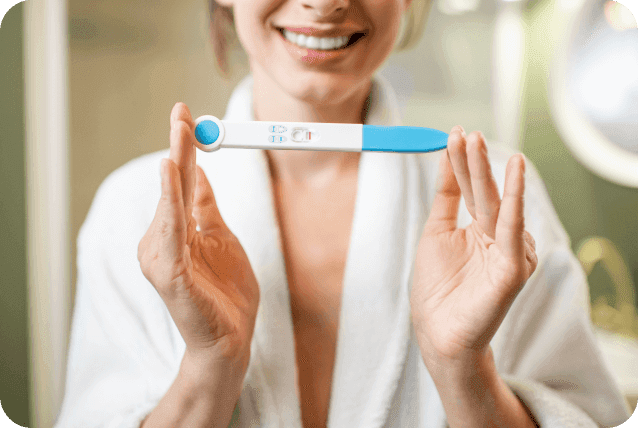
Pregnancy tests operate by identifying human chorionic gonadotropin (hCG), a hormone produced when a fertilized egg implants in the uterus. hCG levels increase rapidly throughout pregnancy, allowing tests to detect its presence in urine or blood and confirm pregnancy.
At Feelvaleo, we closely monitor the health of the mother and baby, so, for your next hCG blood test, contact us today!
At 6-8 Weeks’ Pregnancy
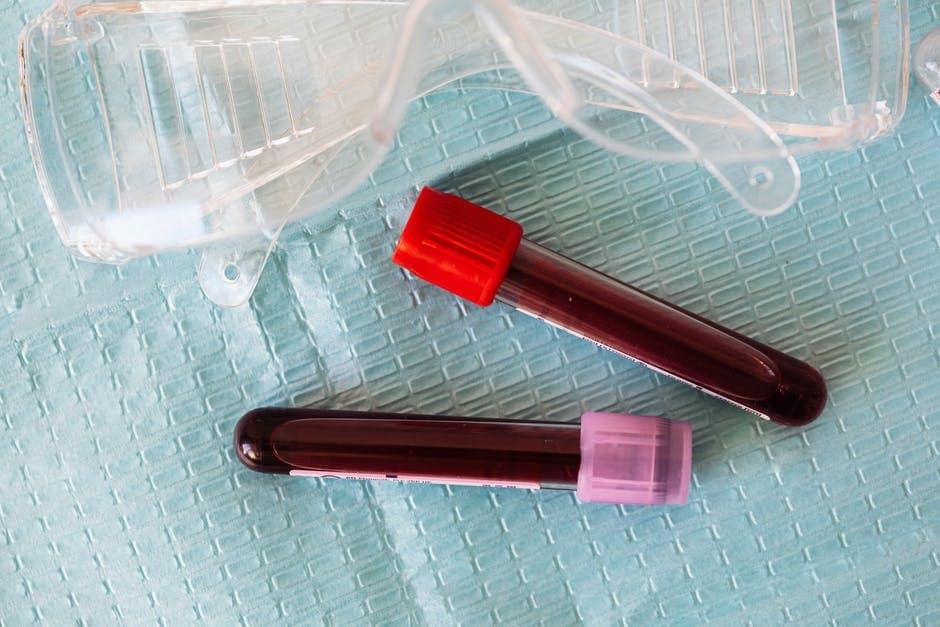
At the first visit to the doctor, blood tests are done to confirm the pregnancy. A complete blood count (CBC) assesses iron levels and thalassemia risk, while ferritin levels help identify iron depletion to prevent anemia. The blood group test identifies Rhesus-negative types, which is crucial to prevent problems such as hemolytic disease of the fetus and newborn. Screening also includes infectious diseases such as HIV, hepatitis B and C, rubella and varicella antibodies, and optionally tests for chlamydia, syphilis, thyroid disease and vitamin D.
After 10 Weeks’ Pregnancy
Between the 10th and the 14th week, you will be offered a combination of cervical transparency, ultrasound and blood tests. It assesses the risk of chromosomal abnormalities such as Down syndrome. The ultrasound focuses on the thickness of the baby and the transparency of the neck (nuchal translucency), and the results, together with maternal factors and blood tests, assess the likelihood of abnormalities. Additional blood tests are available to detect genetic disorders if there is a family history.
Trimester 2
In the second trimester, we do repeated tests and sometimes different tests - to find out the health of the mother and the baby.
Between 15 & 17 Weeks of Pregnancy
Maternal Serum Screening and hCG blood test can detect Down syndrome, Edwards syndrome, and neural tube defects, during the pregnancy. It examines four chemicals in the blood: alpha-fetoprotein, unconjugated estriol, free beta hCG, and dimeric inhibin A. Results, combined with the nuchal translucency test and other pregnancy details, assess the risk of fetal abnormalities. A repeat full blood examination checks for iron deficiency anemia and platelet count toward the end of the second trimester.
Another important test that has been performed is Non-invasive prenatal testing (NIPT), a blood test that checks for chromosomal abnormalities by analyzing fetal DNA in the mother's blood. It's typically recommended between 11 and 16 weeks and can be done after the nuchal translucency test or other blood tests. NIPT is safer compared to invasive tests like amniocentesis or chorionic villus sampling (CVS) since it doesn't carry the higher risk of miscarriage associated with those procedures.
Trimester 3
Last and the most important stage for pregnant women.
Between 24 – 28 weeks
Between the 24th and 28th week, 3-8% of women may develop gestational diabetes, usually resolving after childbirth. A blood glucose tolerance test, involving three blood samples before and after a glucose drink, screens for this condition. Management includes healthy habits, monitoring blood glucose, and sometimes medication.
At Felvaleo, we conduct a Rhesus Negative Antibody Check as a standard procedure before administering the initial anti-D dose at 28 weeks.
Stop Using Unprescribed Medication During Pregnancy
Taking unprescribed medications during pregnancy can pose serious risks to the health of both the mother and the developing baby. Therefore, always consult with your doctor if you want supplements like berberine, testo supplement, iron or vitamin tablets, to ensure the safety of your pregnancy.
At Feelvaleo, all supplements are available at a reasonable price and can be easily ordered from any region in Dubai, Abu Dhabi and even Saudi Arabia.
Summary
Identifying pregnancy often begins with recognizing signs such as absence of periods, nausea and dizziness. Confirmation of pregnancy, however, requires special blood tests.
Feelvaleo offer comprehensive guidance on important medical blood tests for pregnancy, including IV therapy and safe nutritional supplements. Our team always emphasizes the importance of avoiding over-the-counter medications during pregnancy and encourages consulting with health professionals about supplements such as berberine, testo supplements,etc. We offer accessible and affordable nutritional supplements and ensure the well-being of both mothers and babies.
For more information – call us at +971 4 416 4444.