

Navigating Erectile Dysfunction: Understanding and Addressing the Biomarkers
Picture this familiar scene from TV ads: two bathtubs overlooking a sunset, puzzling in their symbolism, followed by a solemn voice discussing the challenges of erectile dysfunction (ED) and its disruptive nature in intimate moments. The message often implies that ED is a concern primarily for older men, but the reality is quite different.
Recent studies, including one from 2013, indicate a surprising trend: about one in four men seeking ED treatment are actually under 40 years old. This statistic might be startling, especially if you're in this age group, but it highlights the widespread nature of ED among younger men.
At Valeo, our commitment lies in illuminating this delicate subject and providing practical, insightful advice for those affected. It's essential to recognize the root causes of ED, including the impact of various biomarkers, to effectively manage and address this condition.
Understanding the underlying causes, including the role of various biomarkers, is crucial in addressing and managing ED effectively.
What is Erectile Dysfunction?
Erectile Dysfunction, commonly known as ED, is the inability to achieve or maintain an erection sufficient for satisfactory sexual performance. This condition can significantly impact a man's quality of life, affecting not just physical health but also emotional well-being.
The Connection Between ED and Depression
ED and depression often coexist. The psychological impact of ED can lead to feelings of inadequacy and low self-esteem, contributing to depressive symptoms. Conversely, depression can exacerbate or even cause ED, creating a complex interplay that needs careful attention.
Biomarkers Related to Erectile Dysfunction
Understanding key biomarkers is essential in identifying and managing ED:
Total Cholesterol
High cholesterol levels can lead to arterial plaque build-up, impairing blood flow and affecting erectile function. It's a myth that only overweight individuals are at risk; even those with a normal BMI can have high cholesterol due to genetic factors.
HDL (High-Density Lipoprotein)
Often termed "good cholesterol," HDL helps remove cholesterol from arteries, promoting better blood flow. High levels of HDL are linked to a reduced risk of ED.
Free Testosterone
Testosterone plays a crucial role in sexual function. Low levels of circulating free testosterone are associated with a higher incidence of ED.
hsCRP (High-Sensitivity C-Reactive Protein)
This biomarker indicates systemic inflammation, which can impair blood flow and is linked to increased ED risk.
Magnesium
Low magnesium levels are commonly seen in those with ED. Magnesium is vital for reducing inflammation, supporting endothelial function, and aiding in testosterone production.
Beyond Biomarkers: Lifestyle Considerations
If ED persists despite normal biomarker levels, consider lifestyle factors like stress, tobacco, alcohol, or drug use. Proactive management of these factors is key to preventing and managing ED.
The Bottom Line
Understanding and monitoring these biomarkers can offer significant insights into your sexual health. It's crucial to adopt a proactive approach, focusing on diet and lifestyle changes rather than relying solely on medications like statins, which can have side effects including reduced testosterone levels.
For those seeking to delve deeper into men's health biomarkers, Valeo offers an advanced male blood test that provides comprehensive insights. This tool, coupled with our expert advice and resources, can help you take control of your health and address ED effectively.
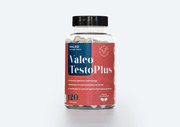
That's not all! If you want an extra edge, consider supplementing with Valeo's TestoPlus. This powerful blend of all-natural herbs is designed to support the body's natural testosterone production, which can help improve stamina, enhance strength, boost libido, and regain balance. With TestoPlus, you can take the first step towards reclaiming your vitality and enjoying a healthier life. Download the Valeo Health app today to get started!
References:
1- The journal of sexual medicine 10.7 (2013): 1833-1841.
2- American journal of epidemiology 140.10 (1994): 930-937.
3- Clinical endocrinology 53.4 (2000): 517-522.
4- University of bristol, Press release issued: 28 July 2021, Does testosterone influence success? Not much, research suggests”.