
Iron Deficiency: The Silent Energy Thief
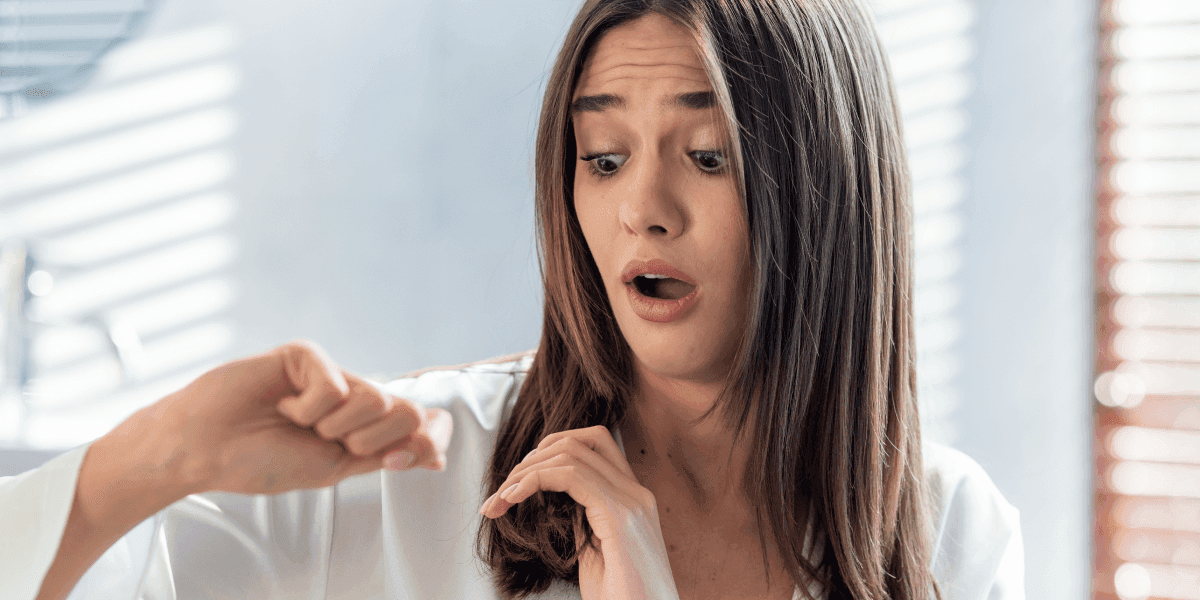
Picture this: You wake up feeling exhausted, even after a full night's rest. As the day progresses, you battle throbbing headaches, bouts of dizziness, and an unsettling shortness of breath. Your nails grow brittle, your hair thins, and your once-rosy complexion fades to a ghostly pallor. You're not alone. In our fast-paced lives, it's all too common to experience the weariness that comes with low iron levels.
What are the signs and symptoms of low iron levels?
- Fatigue & Weakness / Feeling tired: iron is necessary for the production of hemoglobin that carries oxygen throughout the body. When iron levels are low, oxygen transport is compromised, leading to fatigue and weakness.
- Headaches & Dizziness: iron deficiency can cause frequent headaches, dizziness, and lightheadedness.
- Shortness of Breath: Inadequate iron can impair the oxygen-carrying capacity of the blood, causing shortness of breath, particularly during physical exertion.
- Brittle Nails & Hair Loss: due to the loss and decrease of nutrients carried by the blood.
- Pale Skin: due to reduced hemoglobin levels, particularly in the face, inner lining of the eyelids, gums, and nail beds.
- Cold Hands and Feet: Iron deficiency can affect circulation, resulting in a sensation of coldness in the extremities, such as the hands and feet.
- Restless Leg Syndrome: Some individuals with iron deficiency may experience an uncomfortable sensation in their legs, often described as a strong urge to move the legs or a tingling or crawling sensation. This is known as restless leg syndrome.
How to naturally increase iron intake and absorption
- Eat more Iron-Rich Foods: Incorporate a variety of iron-rich foods into your diet, including lean meats, Livers (poultry), beans, lentils, tofu, spinach, kale, broccoli, fortified cereals, and whole grains. These foods provide both heme iron (found in animal sources) and non-heme iron (found in plant sources).
- Pair Iron with Vitamin C: to enhance iron absorption. Vitamin C helps convert non-heme iron into a more absorbable form. Include foods like citrus fruits, berries, bell peppers, tomatoes, and leafy greens in your meals.
- Avoid Tea and Coffee with Meals: Tannins present in tea and coffee can inhibit iron absorption. It's best to avoid consuming these beverages with iron-rich meals. Wait at least 1-2 hours after a meal before consuming them.
- Soak and Sprout Legumes and Grains: help reduce phytates, compounds that can hinder iron absorption.
- Avoid Calcium supplements and Dairy Products, when taking iron supplements, as they can interfere with iron absorption.
Don't ignore the signs—prioritize your health by monitoring your iron levels regularly. Contact Valeo today to schedule a blood test and consult with our health experts. Let us help you achieve optimal iron levels for a healthier and more energized life.