
The Science Behind IV Therapy & Energy Levels
In today’s fast‑paced world, low energy and chronic fatigue have become the norm rather than the exception. Many people reach for caffeine, energy drinks, or quick‑fix supplements, only to experience a short‑lived spike followed by an even steeper crash.
IV Drip therapy, once reserved for hospital settings, is now emerging as a science‑backed tool in the wellness space—offering a more direct route to replenishing the nutrients and fluids that power our cells. By delivering vitamins, minerals, and hydration straight into the bloodstream, IV therapy can enhance cellular energy production, reduce fatigue, and support mental clarity, especially in those with suboptimal nutrient status or high physiological stress.
In this blog, we’ll break down the physiology behind IV therapy and energy, the key nutrients involved, and when it may—or may not—be a meaningful addition to your routine.
Why So Many People Feel Constantly Tired
Do you constantly feel tired, no matter how much you sleep? You’re not lazy, broken, or “just not trying hard enough”—you might simply be running on an energy system that’s quietly undernourished and overstressed.
- Modern fatigue has become normal: many people sleep 7–8 hours yet wake up exhausted, as if their “battery” never fully recharges.
- Energy production in the body depends on hydration, nutrients, circulation, and cellular function, not just sleep.
- Chronic stress keeps cortisol elevated, disrupting sleep quality, recovery, and mitochondrial energy output.
- Poor hydration thickens the blood, reduces oxygen delivery, and makes the heart work harder, leaving you feeling sluggish and foggy.
- Nutrient deficiencies in iron, B12, vitamin D, and magnesium directly impair red‑blood‑cell function and ATP (energy) production.
- Busy schedules, constant screens, and back‑to‑back commitments crowd out proper meals, movement, and true rest.
- No workouts or physical activity weakens circulation and muscle mitochondrial density, cutting off a major source of steady energy.
- Travel, jet lag, and heat exposure in the UAE strain the circadian system, increase fluid loss, and further deplete reserves.
- Burnout and mental overload create a state of chronic low‑grade exhaustion that sleep alone cannot resolve.
The good news? When you treat fatigue as a signal—not a personality trait—you can start tuning the levers that actually matter: hydration, nutrients, movement, recovery, and stress management.
Where IV Therapy Comes In
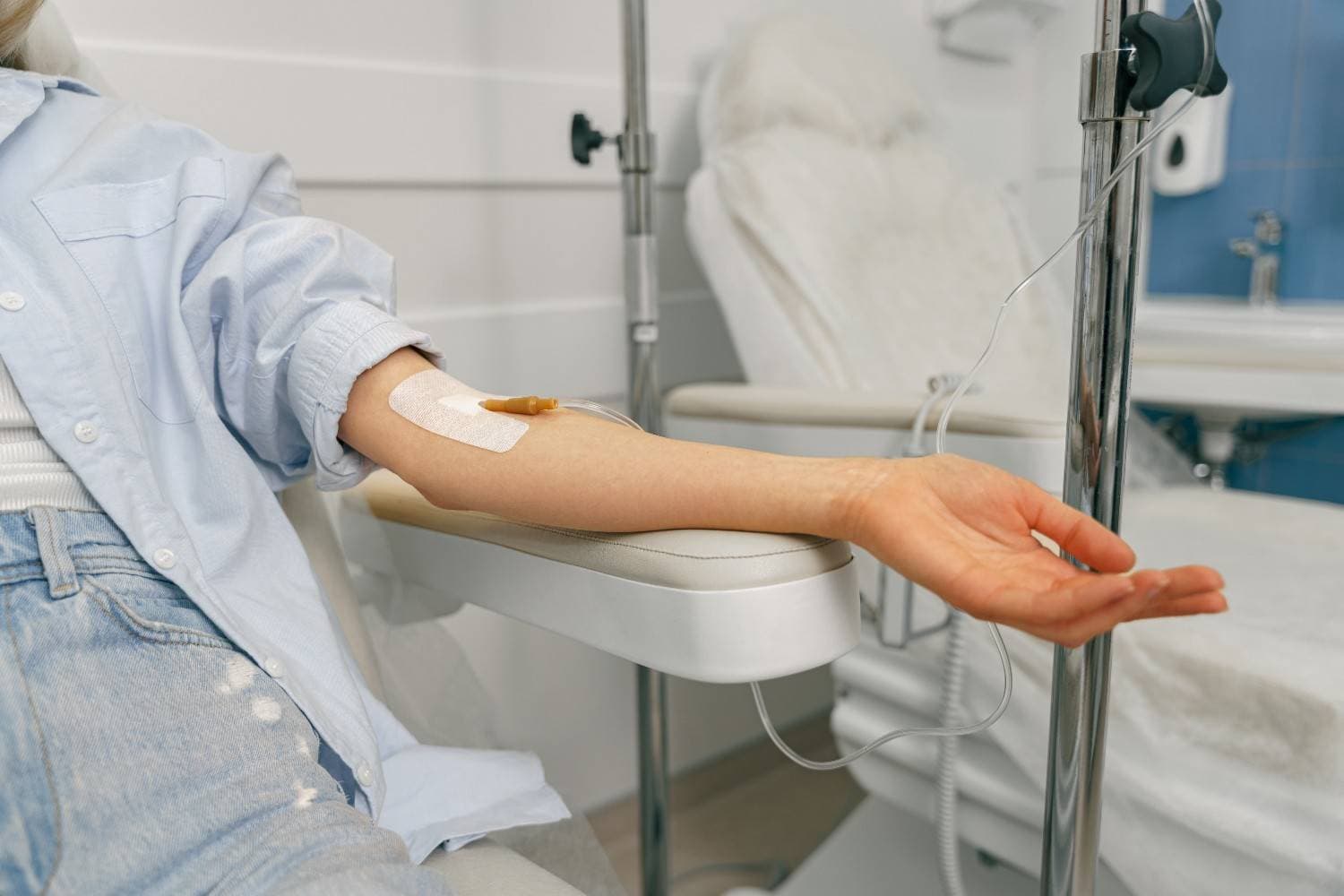
IV therapy delivers fluids, vitamins, and key nutrients directly into the bloodstream, bypassing the digestive system. This means the nutrients are available to your cells much faster and more efficiently than when you swallow a pill or drink a supplement. While IV therapy is not a replacement for healthy habits, many people use it to support hydration, recovery, and overall wellness.
- Faster absorption than oral supplements
When nutrients go straight into the bloodstream, they avoid the “first‑pass” digestion that can reduce how much your body actually absorbs. This can be especially useful when you’re dehydrated, fatigued, or recovering from a period of high stress or travel. - Hydration support at the cellular level
IV therapy delivers fluids and electrolytes directly into circulation, helping thin the blood, improve oxygen delivery, and support kidney and cardiovascular function. This can ease symptoms of fatigue linked to dehydration and heat or travel‑related stress. - Convenient wellness and recovery support
In a busy schedule, IV therapy offers a focused pause for your body to receive fluids and nutrients in a controlled setting. Many people use it around intense workout blocks, travel, or demanding work phases to feel more stable and resilient. - A supportive tool, not a magic fix
IV therapy works best as a complement to good sleep, hydration, nutrition, and movement. It may help bridge temporary gaps or support recovery, but it does not replace the long‑term habits that truly sustain energy and health.
Who Typically Uses IV Therapy?
IV therapy is used more than athletes and celebrities and is now used by all kinds of people who simply want to feel more balanced and resilient in their daily lives. It’s one way—among many—to support hydration, recovery, and overall wellness, especially during demanding phases.
- Busy professionals
Many executives, entrepreneurs, and high‑achieving professionals turn to IV therapy during intense work weeks, back‑to‑back meetings, or when they’re juggling multiple projects and notice their energy and focus dipping. - Frequent travelers
Jet lag, long flights, and irregular sleep schedules can leave frequent travelers feeling drained and dehydrated. Some use IV therapy to help reset hydration and electrolyte balance after long hauls or busy trip itineraries. - Parents
Parents juggling kids, work, and household demands often run on low reserves. A few may choose IV therapy as a structured way to replenish fluids and nutrients during particularly overwhelming or sleep‑disrupted periods. - Fitness enthusiasts
Active individuals and gym‑goers sometimes use IV therapy around intense training blocks, competitions, or heavy workout phases to support recovery, reduce muscle fatigue, and maintain hydration. - People recovering after illness
Those coming out of infections, surgeries, or periods of poor appetite may use IV therapy under medical supervision to help their body rebalance fluids and essential nutrients while they regain strength. - Individuals feeling run down or dehydrated
Anyone who consistently feels low‑energy, mildly dehydrated, or “run down” without a clear medical cause may explore IV therapy as a short‑term wellness support, alongside proper sleep, nutrition, and medical check‑ups.
IV therapy is not a shortcut to health, but for some, it’s a way to feel more supported when life feels especially demanding. Like any wellness tool, it works best when used thoughtfully and in combination with healthy daily habits.
Wellness Beyond Quick Fixes
IV therapy can be a helpful tool but real, sustainable energy is built on the habits you repeat every day, not the drips you occasionally receive. IV therapy works best when it sits alongside a solid foundation of lifestyle practices that support your body’s natural ability to produce and use energy.
- Sleep
Quality sleep allows your brain and body to repair, reset hormones, and consolidate energy reserves. Without consistent, restful sleep, even the most nutrient‑rich IV will only offer temporary relief. - Nutrition
Regular, balanced meals with enough protein, healthy fats, fiber, and micronutrients give your cells the raw materials they need to make energy, support immunity, and manage blood sugar swings. - Hydration
Water and electrolytes are essential for circulation, temperature regulation, and brain function. Staying consistently hydrated helps your body avoid the low‑grade fatigue that is often described as “just being tired.” - Movement
Daily physical activity—whether walking, strength training, or sports—improves circulation, mitochondrial health, and mood, all of which translate into steadier, more resilient energy. - Stress management
Chronic stress drains energy systems and disrupts sleep, digestion, and hormones. Mindfulness, breathing practices, boundaries, and downtime are not luxuries; they’re part of the energy equation. - Preventive health care
Regular check‑ups, blood work, and conversations with a clinician help catch nutrient deficiencies, hormonal imbalances, and other issues before they turn into full‑blown fatigue or burnout.
Real wellness focuses on supporting the body before burnout happens. IV therapy can be a supportive “booster,” but lasting energy comes from the consistency of sleep, food, movement, hydration, and stress care you show up for every day.
Conclusion
Fatigue is rarely about one missing “quick fix”—it’s usually the result of several silently eroding factors: dehydration, nutrient gaps, poor sleep, constant stress, and a lack of recovery. IV therapy can play a role by delivering fluids and key nutrients directly into the bloodstream, helping support hydration, recovery, and overall wellness. But it works best when it’s paired with the consistent habits that truly sustain energy: quality sleep, balanced nutrition, daily movement, smart hydration, and proactive stress and health management.
At Valeo Health, we offer a variety of IV formulations designed to support different wellness goals, from everyday energy and focus to post‑travel recovery and immune support. Each blend is tailored to align with your lifestyle and how you feel—whether you’re a busy professional, a frequent traveler, a parent, or someone simply looking to feel more “like yourself” again. IV therapy is not a replacement for healthy living, but when used thoughtfully, it can be a valuable part of a broader strategy to protect your energy before burnout ever sets in.
FAQs
1. How much does IV drip cost in the UAE?
IV drip costs in Dubai can vary depending on the type of treatment, ingredients, and dosage. Hydration drips are usually more affordable, while advanced therapies like immunity blends, energy drips, and Glutathione IV treatments tend to cost more due to their specialized formulations and higher nutrient concentrations.
2. Is IV therapy really worth it?
While IV therapy can hydrate the body faster than drinking fluids, its benefits may vary depending on the treatment and individual needs. Some experts note that while IV drips can support hydration and nutrient delivery, many wellness claims still lack strong scientific evidence, especially for healthy individuals, making it important to choose medically supervised treatments and trusted providers.
3. Will an IV help with norovirus?
IV therapy may help in cases of norovirus when dehydration becomes severe or oral fluids are difficult to keep down. IV fluids can quickly restore hydration and electrolytes, especially if symptoms like vomiting, diarrhea, dizziness, or weakness persist. In more serious cases, prompt medical care and IV support can help prevent complications and aid recovery.
4. Who should avoid IV drips?
IV drips may not be suitable for everyone, especially individuals with certain medical conditions. People with advanced kidney disease, a history of severe allergic reactions to vitamins or medications, pregnant or breastfeeding women, or those recovering from surgeries where fluid balance must be closely monitored should consult a doctor before undergoing IV therapy. IV treatment may also be avoided in cases of untreated infections or open wounds near the injection site to reduce the risk of complications.
5. Why do celebrities get IV drips?
Many celebrities use IV drips for their convenience and fast nutrient delivery. Because the vitamins and fluids are delivered directly into the bloodstream, IV therapy is often chosen to support hydration, energy levels, recovery, immunity, and skin health – especially during busy schedules, travel, or demanding events.
6. What are the negatives of IV therapy?
Like any medical treatment, IV therapy can have potential side effects. Some people may experience nausea, an upset stomach, dizziness, or lightheadedness due to changes in blood pressure during or after treatment. In some cases, allergic reactions such as itching, rashes, or swelling can occur, and more serious reactions may require immediate medical attention.