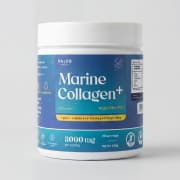


Marine Collagen vs Biotin: Which Is Better for Hair Growth, Stronger Nails, and Better Skin?
If you are trying to choose between Marine Collagen and biotin, you are not alone. Both supplements are popular in beauty and wellness routines, and both are often marketed for healthier-looking skin, stronger nails, and better hair. But they do not work in exactly the same way.
Marine Collagen is a structural protein supplement, while biotin is a B vitamin. That difference matters. Collagen peptides are usually taken to support skin elasticity, hydration, and overall skin structure, while biotin is more closely linked to normal energy metabolism and may be most helpful when someone has a low biotin level. Current research suggests collagen peptides may improve skin hydration and elasticity over time, but large long-term studies are still limited. For biotin, major health sources note that there is little strong evidence that extra biotin improves hair, skin, or nails in otherwise healthy people without deficiency.
What Is Marine Collagen?
Marine collagen is a type I collagen supplement derived from fish skin, scales, or bones. It is known for its smaller peptide size after hydrolyzation, which is why many brands market it for easy absorption. It is commonly used to support skin elasticity, hydration, and the appearance of fine lines, while also being included in routines for hair, nails, and joint support. You will often find it in Marine Collagen Powder, Marine Collagen tablets, and Marine Collagen Peptides formulas. Collagen supplements are typically sold in hydrolyzed form because whole collagen must be broken down into peptides before it can be absorbed through the gut.
For many users, one of the biggest Marine collagen benefits is that it fits easily into a daily routine. A scoop in coffee, water, or a smoothie is often simpler than adding another complicated supplement plan. Many people also choose marine sources because they prefer them over bovine or porcine options. That is why the discussion of Marine collagen vs bovine collagen comes up so often. In general, marine collagen is rich in type I collagen, which is the main collagen found in skin, while bovine collagen often provides type I and type III collagen. The better option depends on your goal, dietary preference, tolerance, and budget.
You may also see products labeled Marine Collagen Applied Nutrition or other branded blends. What matters most is not just the label, but the ingredient quality, serving size, and whether the product has clear sourcing and third-party quality standards.
What Is Biotin?
Biotin, also known as vitamin B7, helps the body convert food into energy. It is found naturally in foods such as eggs, meat, fish, nuts, and seeds. Because signs of low biotin can include hair thinning, brittle nails, and skin rash, many people assume more biotin always means better beauty results. But that is not how nutrition works. According to the NIH Office of Dietary Supplements, the evidence supporting biotin supplements for hair, skin, and nails in healthy people is limited.
That means biotin may be helpful for some people, but it is not automatically the better choice for everyone.
Which One Is Better for Skin?
If your main concern is skin texture, elasticity, hydration, and early visible signs of aging, Marine Collagen is usually the stronger option. Several reviews and meta-analyses have found that oral collagen supplementation can improve skin hydration and elasticity, and may reduce the appearance of wrinkles over time. Results are not instant, but studies often look at periods of around 8 to 12 weeks.
Biotin, on the other hand, is not mainly a skin-structure supplement. It may support overall health, but it is not as directly linked to collagen-rich skin support as marine collagen peptides are.
Which One Is Better for Hair Growth?
For hair, the answer is more nuanced. If hair thinning is linked to a nutrient deficiency, correcting that deficiency matters most. Biotin can help in specific deficiency-related cases, but evidence for routine high-dose biotin in healthy adults remains limited. Marine collagen is often included in hair support plans because it provides amino acids involved in protein structure, but experts still note that the evidence for direct hair-growth effects is less clear than the evidence for skin benefits.
So if your goal is only hair growth, biotin is not automatically the winner, and marine collagen is not a miracle fix either. The best approach is to identify the reason behind hair changes first.
Which One Is Better for Stronger Nails?
Both supplements are commonly marketed for nails, but the strongest claims should be kept realistic. Small studies have suggested biotin may help some people with brittle nails, but evidence is still limited. Collagen is often chosen when the goal is broader beauty support, especially when users want one product that targets skin, nails, and overall wellness together.
Can You Take Both Together?
Yes, many people take them together. They work differently, so combining them can make sense in a balanced routine. One published study also found that a combination of collagen peptides and astaxanthin improved skin hydration and elasticity in photoaged skin after 12 weeks.
If you are already using omega-3s, a skin-support routine may also include collagen because the two target different things. Collagen supports structure, while omega-3s are more closely linked to inflammation balance and skin barrier support. They are not interchangeable.
Are There Any Risks?
Users should also know about Marine collagen side effects and biotin precautions. Collagen supplements are generally well tolerated, but people with fish or shellfish allergies should be cautious with marine-based products. Product quality also matters because supplements are not regulated like prescription medicines. Biotin is considered safe for most people, but high-dose biotin can interfere with some lab tests, including thyroid-related and other diagnostic tests.
Final Verdict
If your priority is better skin, improved hydration, and a more complete beauty-support supplement, Marine Collagen is usually the better choice. If you suspect a nutrient gap or have brittle nails linked to low biotin intake, biotin may still have a role. For most beauty-focused users comparing the two, Marine Collagen offers the broader fit.
If you want one supplement that supports a more complete skin-first routine, Marine Collagen Powder or Marine Collagen tablets can be a practical choice. And if you want help choosing the right wellness support for your goals, Valeo Health can guide you toward a routine that matches your skin, hair, and nutrition needs.
FAQs
1) What is marine collagen good for?
Marine collagen is commonly used to support skin elasticity, hydration, and the appearance of fine lines. It is also popular in routines focused on stronger nails, healthier-looking hair, and joint support. Research suggests collagen peptides may help skin-related outcomes, although results vary from person to person.
2) What happens if I take marine collagen every day?
Daily use may help support skin hydration, elasticity, and overall beauty goals over time. Most people do not see changes overnight, and consistency matters more than taking a large dose for a few days. Studies often evaluate collagen over 8 to 12 weeks.
3) Can I take astaxanthin and collagen together?
Yes. A study on photoaged skin found that collagen peptides combined with astaxanthin improved hydration and elasticity after 12 weeks. This can be a useful combination for users focused on skin support.
4) What are the 5 signs that collagen is working?
Common signs people notice first are skin that feels more hydrated, nails that break less easily, skin that looks a little firmer, hair that feels stronger, and joints that feel more comfortable during daily movement. Individual results vary.
5) Who should not take Marine Collagen?
People with fish or shellfish allergies should avoid marine-based collagen unless a healthcare professional confirms it is safe for them. Anyone with a medical condition, pregnancy-related concern, or regular medication use should also check with a qualified clinician before starting a supplement.
6) Does Marine Collagen make skin glow?
It may help improve hydration and skin elasticity, which can make skin look healthier, smoother, and more refreshed. It is not an instant brightening product, but it can support a more radiant appearance over time.
7) What to avoid when taking collagen?
Avoid relying on collagen while ignoring the basics. Smoking, high-sugar diets, and too much unprotected sun exposure can all work against skin health and collagen integrity. Also choose products with clean labels and clear sourcing.
8) How long should I take marine collagen?
Many people use it for at least 8 to 12 weeks before judging results. Longer use is common when the supplement is well tolerated and fits their routine. The right duration depends on your goal and your clinician’s advice.
9) Can collagen help with weight loss?
Not directly. Collagen is not a fat-burning supplement. Because it is a protein, it may help with fullness as part of a balanced diet, but it should not be marketed as a standalone weightloss solution.
10) What's better, omega-3 or collagen?
They do different jobs. Collagen supports structure and skin-related support, while omega-3s are more about inflammation balance and overall wellness. Many users include both in the same routine for different reasons.
11) What is the enemy of collagen?
Too much sun exposure, smoking, and a high-sugar, heavily processed diet can all work against collagen health and skin quality.
12) Which vitamins should not be taken with collagen?
There is no standard rule that collagen cannot be taken with specific vitamins. But high-dose biotin deserves extra caution because it can interfere with some lab tests. If you are scheduled for blood work, tell your healthcare provider about any biotin supplement you use.
13) How do I know if I lack collagen?
There is no simple blood test used in everyday practice to measure “low collagen” directly. People usually notice visible signs such as drier-looking skin, more fine lines, less firmness, or joint discomfort as they age.
14) What happens after 1 month of collagen?
Some users report that skin feels more hydrated or smoother after a few weeks, but more noticeable changes are usually assessed over longer periods, often closer to 8 to 12 weeks.
15) Can collagen affect sleep?
Collagen contains glycine, an amino acid that has been studied for sleep-related effects, but collagen should not be presented as a sleep supplement. Some people include it in an evening routine, but the main use remains skin, joint, and general beauty support.
16) Does Valeo Health provide Marine Collagen support?
Valeo Health can support users looking for trusted wellness guidance, including help understanding whether Marine Collagen fits their skin, hair, and nutrition goals. If you want a routine tailored to your needs, reach out to Valeo Health for the right next step.