

Lipid Profile Test During Pregnancy: Why It’s Important for Expecting Mothers
Pregnancy is a beautiful and transformative journey, marked by excitement, anticipation, and significant changes. As your body adapts to nurture and support the growth of your baby, prioritizing your health becomes more crucial than ever. This involves careful attention to your diet, medications, regular tests, and other essential factors that can impact both your well-being and your baby’s development. By staying mindful of these aspects, you can help ensure a healthier, smoother pregnancy for you and your little one.
However, we’ve observed that many expectant mothers sometimes overlook a crucial aspect of their health—cholesterol and fat levels, also referred to as lipids, in the blood. Keeping track of these levels through a lipid profile test during pregnancy is an important measure for ensuring the well-being of both you and your baby.
In this blog, we will explore why a lipid profile test is essential during pregnancy, what the test involves, and how managing your lipid levels can positively impact your overall health and the health of your baby. Additionally, we will provide guidance on where to find reliable and affordable lipid profile tests in Dubai, saving you time!
What is a Lipid Profile Test?
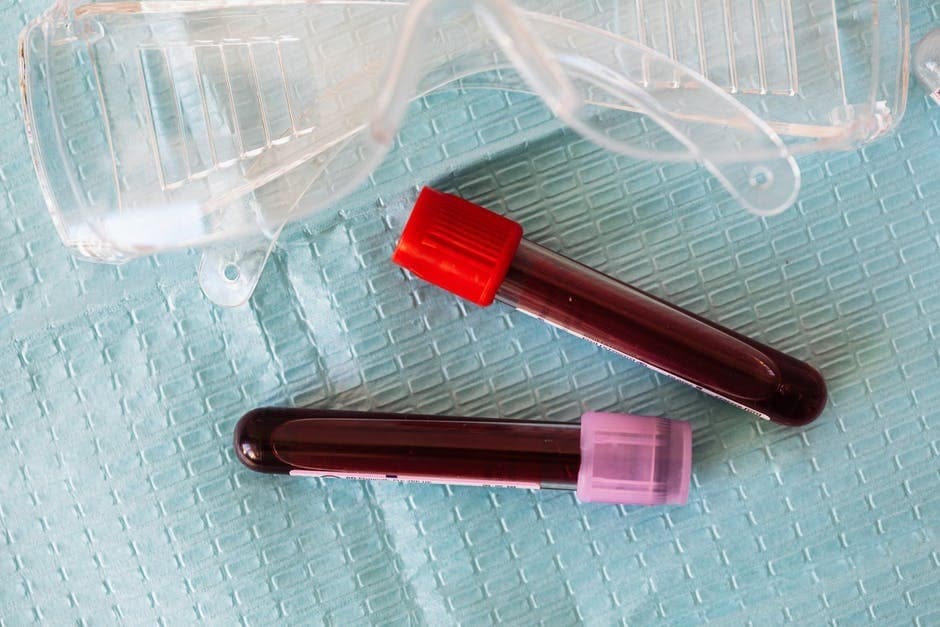
A lipid profile test is just a simple blood test that measures the levels of fats (lipids) in your blood. And the key components analyzed in a lipid profile include:
1. Total Cholesterol: The overall amount of cholesterol in your blood.
2. Low-Density Lipoprotein (LDL) Cholesterol: Often referred to as “bad cholesterol,” as high levels can lead to clogged arteries.
3. High-Density Lipoprotein (HDL) Cholesterol: Known as “good cholesterol,” which helps remove excess cholesterol from your bloodstream.
4. Triglycerides: A type of fat in your blood, and high levels may increase the risk of heart disease.
These factors are crucial to be aware of, particularly if you're expecting — which is why we always suggest scheduling an at-home lipid profile test in Dubai — available for just AED 100. While, for fast-track it’s only for AED 150.
Why Do Lipid Levels Change During Pregnancy?
During pregnancy, your body goes through various hormonal changes to support the growth and development of your baby. One such change is an increase in lipid levels, particularly during the second and third trimesters. Worry not (mums-to-be), this rise is natural and happens to ensure that your body has enough energy stored to nourish both you and your baby. However, for some women, lipid levels can rise too high, which may pose health risks.
Regularly monitoring your lipid levels and timely visits to your gynecologist are crucial for both your and your baby’s health. However, below, our experts explain why lipid profile testing is so important during pregnancy.
Importance of Lipid Profile Testing During Pregnancy
A lipid profile test offers valuable insights into the health of both the mother and the baby. Here are the key reasons why this test is necessary:
1. Prevention of Cardiovascular Complications
Pregnancy puts added stress on your heart, as your body needs to pump more blood to nourish your growing baby. Elevated lipid levels, particularly high LDL cholesterol or triglycerides, can contribute to the formation of plaque in the arteries, which can restrict blood flow and increase the risk of cardiovascular issues, such as heart attacks or strokes.
Keeping your lipid levels in check through regular testing allows your doctor to take timely action to reduce any potential risks. Managing lipid levels can also prevent long-term cardiovascular complications, making it a vital aspect of prenatal care.
2. Gestational Hypertension and Preeclampsia Risk
Gestational hypertension (high blood pressure during pregnancy) and preeclampsia (a more severe condition involving high blood pressure and organ damage) are concerns for expecting mothers, particularly during the second half of pregnancy. Research has shown that elevated lipid levels, especially high LDL cholesterol and triglycerides, are linked to an increased risk of preeclampsia.
Regular lipid profile tests help identify whether you are at a higher risk of these conditions, allowing your healthcare provider to monitor your blood pressure closely and recommend appropriate lifestyle or dietary changes.
3. Managing Gestational Diabetes
Pregnancy increases the risk of developing gestational diabetes, a condition where blood sugar levels become too high. Elevated lipid levels are often associated with insulin resistance, making it more difficult for your body to regulate blood sugar effectively. Women with high triglycerides, in particular, are at a higher risk of developing gestational diabetes.
A lipid profile test can help identify if you’re at risk and guide your doctor in recommending strategies to control your lipid levels, such as adopting a balanced diet or getting regular exercise, which can also help in managing blood sugar levels.
4. Ensuring Baby’s Healthy Development
The health of your lipid levels isn’t just about your well-being; it also plays a role in your baby’s growth and development. Cholesterol is an essential component for the formation of cell membranes, hormones, and brain development in your baby. While some increase in lipid levels is normal, excessively high levels can lead to complications like fetal overgrowth or issues with placental function.
By keeping your lipid levels in a healthy range, you are supporting the optimal development of your baby, reducing the risk of complications, and ensuring a healthier pregnancy.
Research paper at National Institutes of Health has shown that significant or irregular changes in lipid levels can impact both maternal and fetal health, potentially leading to complications like preeclampsia or gestational diabetes. Therefore, monitoring blood lipid levels is a crucial part of prenatal care. However, instead of going to a traditional clinic, consider opting for a home blood test in Dubai through Valeo Health.
When Should You Get a Lipid Profile Test During Pregnancy?
A lipid profile test is not typically part of routine prenatal care, but it may be recommended if you have certain risk factors, including:
➔ A history of high cholesterol or cardiovascular disease
➔ Obesity or significant weight gain during pregnancy
➔ A family history of heart disease
➔ Pre-existing conditions like diabetes or hypertension
➔ Signs of gestational hypertension or preeclampsia
If your healthcare provider advises a home lipid profile test, it’s typically done in the second or third trimester when lipid levels naturally increase. Follow your doctor’s recommendations to ensure proper testing.
How is a Lipid Profile Test Done?
The process of getting a lipid profile test is quick and straightforward. Here’s what you can expect from it:
1. Fasting: You may be asked to fast for 9 to 12 hours before the test. This means no eating or drinking (except water) to ensure accurate results.
2. Blood Sample Collection: A healthcare professional will draw a small sample of blood, usually from a vein in your arm.
3. Analysis: The blood sample will be sent to a laboratory, where the levels of total cholesterol, LDL, HDL, and triglycerides will be measured.
4. Results: Your doctor will discuss the results with you, explaining whether your lipid levels are within a healthy range and recommending any necessary lifestyle changes or treatments.
4 Tips of Managing Lipid Levels During Pregnancy
If your lipid profile testing shows that your levels are higher than recommended, don’t panic. There are several ways to manage your lipid levels and ensure a healthy pregnancy.
1. Dietary Adjustments
One of the most effective ways to control lipid levels is through diet. Focus on consuming heart-healthy foods that are rich in fiber and healthy fats while avoiding foods high in saturated and trans fats. Some key dietary tips include:
● Include more fruits and vegetables in your diet.
● Choose whole grains like oats, brown rice, and whole wheat.
● Opt for lean proteins, such as chicken, fish, beans, and legumes.
● Incorporate healthy fats found in fish, nuts, and seeds.
2. Stay Active
Regular physical activity is another powerful tool in managing cholesterol levels. Exercise helps raise HDL (good cholesterol) and lowers LDL (bad cholesterol) and triglycerides. Aim for at least 30 minutes of moderate exercise most days of the week, such as walking, swimming, or prenatal yoga. Always consult with your doctor before starting any exercise routine during pregnancy.
3. Maintain a Healthy Weight
Weight management is crucial during pregnancy, as excessive weight gain can lead to higher lipid levels and increase the risk of complications like gestational diabetes or hypertension. Follow your doctor’s recommendations for healthy weight gain during pregnancy, and try to maintain a balanced, nutrient-rich diet to support both your health and your baby’s development.
4. Medications
In some cases, if lifestyle changes are not enough, your doctor may prescribe medications to help control lipid levels. However, cholesterol-lowering medications, such as statins, are generally not recommended during pregnancy, as they can affect fetal development. Always discuss the risks and benefits of any medication with your healthcare provider.
Conclusion: A Healthier Pregnancy for You and Your Baby
A home lipid profile test during pregnancy provides important information about your health and helps prevent issues like cardiovascular problems, gestational hypertension, preeclampsia, and gestational diabetes. Keeping your lipid levels in check involves:
➔ Eating a heart-healthy diet
➔ Staying active
➔ Following your doctor’s advice
These steps help ensure a healthier pregnancy for both you and your baby. It's important to remember that every pregnancy is unique, so what works for one person might not work for another. Regular prenatal checkups, open communication with your healthcare provider, and a proactive approach to your health are key to a positive pregnancy experience. At Valeo Health, we prioritize your heart health to support both you and your baby’s well-being.