
Understanding perimenopause and menopause
Perimenopause is the transitional phase leading up to menopause, characterized by irregular menstrual cycles and fluctuating hormone levels.
Menopause is defined as the point when a woman has gone 12 consecutive months without a menstrual period, marking the end of her reproductive years.
While perimenopause can last several years and includes symptoms like hot flashes and mood swings, menopause itself is a single point in time, after which post-menopause begins.
Common issues? No problem.
Most patients suffer from the following:
-Hot flashes
-Night sweats
-Mood swings
-Sleep disturbances
-Weight gain, especially in the abdominal area
Nourishment Tips to Live By
1. Increase Fiber Intake: Consuming more fruits, vegetables, whole grains, and legumes can help manage weight and improve digestive health.
2. Opt for Lean Proteins: Incorporate lean meats, fish, beans, and tofu to support muscle mass and metabolism.
3. Healthy Fats: Include sources of healthy fats such as avocados, nuts, seeds, and olive oil to support heart health and reduce inflammation.
4. Calcium and Vitamin D: Ensure adequate intake of calcium-rich foods like dairy products, leafy greens, and fortified foods, along with vitamin D to support bone health.
5 . Limit Sugars and Refined Carbs: Reducing the intake of sugary foods and refined carbohydrates can help control blood sugar levels and prevent weight gain.
6. Stay Hydrated: Drinking plenty of water can help manage symptoms like bloating and aid in overall weight management.
7. Phytoestrogen-Rich Foods: Incorporate soy products, flaxseeds, and other foods high in phytoestrogens to help balance hormone levels and alleviate symptoms like hot flashes.
8. Limit Alcohol and Caffeine: Reducing alcohol and caffeine intake can help decrease the frequency and severity of hot flashes and improve sleep quality.
9. Avoid Spicy Foods: Spicy foods can trigger hot flashes and exacerbate other menopausal symptoms, so it is beneficial to minimize their consumption
Movement
1. Aerobic Exercise: Engage in regular aerobic activities such as walking, jogging, cycling, or swimming. Aim for at least 150 minutes of moderate-intensity aerobic exercise per week to improve cardiovascular health and assist with weight management.
2. Strength Training: Include strength training exercises at least twice a week. This helps maintain muscle mass, boost metabolism, and improve bone density.
3. High-Intensity Interval Training (HIIT): Effective for burning calories and improving fitness in a shorter amount of time.
4. Consistency: Stay consistent with your exercise routine. Regular physical activity can help manage symptoms like hot flashes, improve mood, and support overall healt
5. Active Lifestyle: Incorporate more movement into your daily life, such as taking the stairs instead of the elevator, walking or biking to nearby destinations, and standing or walking during phone calls.
Quick 'n' Quirky
The recipe for success?
Harness the power of scent! Create your own mood-boosting essential oil blend to carry with you wherever you go.
Mix uplifting scents like citrus, peppermint, and ylang-ylang in a rollerball or small bottle. When mood swings strike, simply take a whiff of your personalized scent to instantly lift your spirits and find balance amidst the hormonal fluctuations of menopause.
Supplement your life
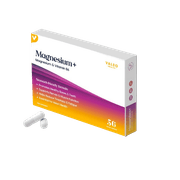
Valeo Magnesium +: Magnesium can help alleviate symptoms such as muscle cramps, insomnia, and mood swings. It also supports bone health and may help reduce the risk of osteoporosis, which is common during menopause.
BioVenture Reme D: Vitamin D is essential for bone health, which becomes increasingly important during menopause due to the decline in estrogen levels.
Valeo Berberine +: Berberine can regulate blood sugar levels and cholesterol and reduces inflammation.
Valeo Zen +: Can help promote better sleep better and boosts energy and focus.