


10 Proven Tips To Boost Red Blood Cells
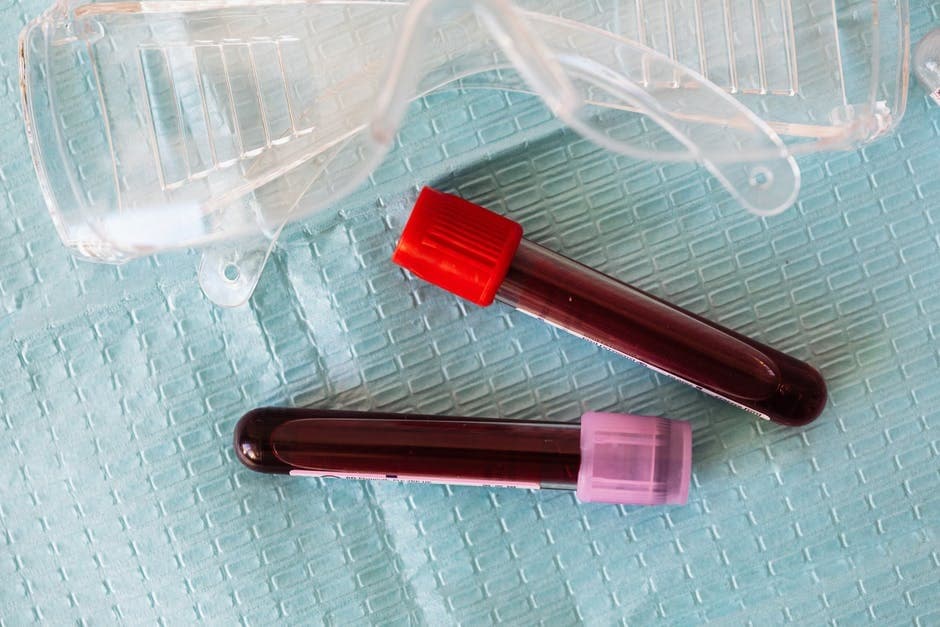
Everyone should check the pinkiness of the palms, and as well as nails. This method will help you check whether your body has enough hemoglobin or not. Another way to confirm your hemoglobin is an RBC Blood Test in Dubai at Feelvelo.com. For some people, the results are not a big deal and they think it is just a game. But for many people, this is a big problem.
If your red blood cells (RBCs) do not have the right amount of hemoglobin - this is a sign of anemia. Anemia can be accelerated by food choices, lifestyle and lack of physical activity. These three factors can deplete the iron levels in the body and reduce the production of hemoglobin in red blood cells.
When the red blood cell (RBC) count is low, don’t panic – it can be controlled or raised to normal levels. There are several ways to increase red blood cells, including iron, vitamins B12 and B9, vitamin C, vitamin A and foods rich in copper. Also, start focusing on a better lifestyle that includes daily exercise and reducing alcohol consumption.
In this article, we will guide you on how to increase hemoglobin with natural or home remedies. Just follow the simple tips mentioned below and you will see that your hemoglobin level will return to normal.
10 Tips to Boost Red Blood Cells (RBCs)
After your Blood test in Dubai, Valeo Health healthcare experts suggest their patients follow these 10 tips to boost RBC level in their bloodstream:
1. Increase Your Iron Intake
If you have a low level of red blood cells, it means you have anemia. The first thing you should do is add iron-rich foods to your diet. The best sources of iron are eggs, fish, meat, dried fruits such as figs and dates, soy products, leafy greens such as spinach, green beans, broccoli, peanut butter, and so on. Although, there’s another alternative way, which is iron supplements that can uplift a person’s hemoglobin levels in RBCs.
2. Consume More Folate or Folic Acid Rich Food
Folate or Folic acid (a type of Vitamin B) is an important element for the production of hemoglobin in your body. Hemoglobin has a component named "heme" and its main function is to carry oxygen. Now you are aware of how important folate is for your body to produce this heme component – so it’s better to add folate-rich food items to your diet, like rice, spinach, peanuts, beef, avocados, beans, lettuce, and black-eyed peas. Because if your body doesn't get enough folate, your red blood cells won't mature, which can lead to serious illnesses like anemia and low hemoglobin levels.
3. Increase Your Vitamin C Intake
Vitamin C is a good source for the absorption of iron into the bloodstream. According to health experts, it is important to combine iron and vitamin C in one diet. You should add vitamin C-rich foods like strawberries, papaya, oranges, lemons, broccoli, peppers, grapefruits, tomatoes etc.
4. Eat an Apple or a Pomegranate Every Day
Adding at least one apple or pomegranate to your diet is ideal for your body's well-being. Both fruits are excellent sources of iron. So consuming an apple or pomegranate daily can help maintain normal hemoglobin levels and promote good blood circulation in your body.
5. Drink Nettle Tea at Least Twice a Day
Herbal teas like nettle are more than just regular teas as they contain large amounts of vitamin B, iron and vitamin C. This type of nettle tea can be proven to be important in increasing hemoglobin levels. Wondering how to prepare this herbal tea? All you need to do is add dried nettle leaves to hot water and soak for at least 10 minutes. If you also want to improve its taste add a little honey in it. However, it is recommended to drink this tea at least twice a day.
6. Regular Exercise Can Do Wonders for You
Regular exercise or physical activity (such as cycling, jumping rope or playing sports) is good for your body's health. With the help of daily exercise, you can control the level of hemoglobin in your red blood cells. And if you want better results, our team of medical experts always advise you to avoid drinking too much tea, coffee, wine, beer and cola drinks.
7. Drink Beetroot Juice Every Day
Another good source of hemoglobin is beetroot or beet. If you use beetroots in salads or juices, trust that this is the most reliable way to maintain healthy hemoglobin's. Beets contain iron, potassium, fiber and folic acid. If you are one of those people who have trouble maintaining healthy hemoglobin, it is recommended to consume beetroot juice or raw beets at least once a day.
8. Use Brown Rice in Your Regular Meals
As mentioned above, rice is a rich source of folate/folic acid and adding brown rice to your regular diet is an ideal addition to a healthy lifestyle. Brown rice is a superfood that can protect your body from many diseases, like cholesterol problems and stomach issues. Moreover, brown rice, which is high in iron, can aid in maintaining hemoglobin levels that are beneficial for your well-being.
9. Increase Your Consumption of Dark Chocolate
We all love to eat chocolate, whether we're on a strict diet or doctor's orders. In any case, dark chocolate is always a healthy choice because it contains more than 80% cacao and guess what they are widely known to improve hemoglobin levels in the RBCs. So, if you want to maintain healthy hemoglobin levels, you should add dark chocolate to your diet more often.
QUICK RECOMMENDATION: Take the RBC test in Dubai – at least once a year.
10. Talk to a Health Expert Right Away at Valeo Health
If you experience various symptoms of low red blood cell count or hemoglobin, feel free to consult your doctor or nutritionist at Valeo Health. For confirmation, they prescribe a CBC blood test or RBC blood test in Dubai. They can also propose ideal dietary modifications to enhance hemoglobin levels in the body.
How to Increase Red Blood Cells Quickly
If you are looking for practical ways on how to increase red blood cells quickly, the most effective approach is to focus on iron-rich nutrition, proper vitamin intake, and consistent healthy habits. Increasing foods high in iron such as red meat, spinach, lentils, and fortified cereals can help support faster red blood cell production. At the same time, combining these with vitamin C sources improves iron absorption, making your efforts more effective when working on how to increase red blood cells.
In addition to diet, maintaining regular physical activity, staying hydrated, and ensuring adequate intake of vitamins like B12 and folate can significantly support your body’s ability to produce healthy red blood cells. While supplements may be recommended in some cases, it is always best to consult a healthcare professional for personalized guidance. By following a balanced routine and focusing on how to increase red blood cells through natural and consistent methods, you can help improve your overall energy levels, oxygen circulation, and general well-being.
FAQs
1. What causes low red blood cell count?
Low red blood cell count can be caused by poor diet, iron deficiency, vitamin B12 or folate deficiency, chronic diseases, blood loss, or certain lifestyle factors such as lack of physical activity.
2. How can I naturally increase red blood cells?
You can naturally improve red blood cell levels by consuming iron-rich foods, increasing vitamin C intake, eating folate and vitamin B12 sources, staying physically active, and maintaining a balanced diet.
3. Which foods are best for boosting red blood cells?
Foods like spinach, red meat, eggs, lentils, beetroot, pomegranate, beans, dark chocolate, and fortified cereals are commonly recommended to support red blood cell production.
4. How long does it take to increase red blood cells?
The time varies depending on the cause and severity of the deficiency. With proper diet and treatment, improvements can typically be seen within a few weeks to a couple of months.
5. Can exercise help increase red blood cells?
Yes, regular moderate exercise can help improve blood circulation and stimulate red blood cell production, supporting overall oxygen delivery in the body.
6. Is supplementation necessary to increase red blood cells?
In some cases, supplements like iron, vitamin B12, or folic acid may be necessary, but they should only be taken after consulting a healthcare professional.
7. How often should I check my red blood cell levels?
It is generally recommended to get a blood test at least once a year or as advised by your healthcare provider, especially if you have symptoms of anemia or related conditions.