


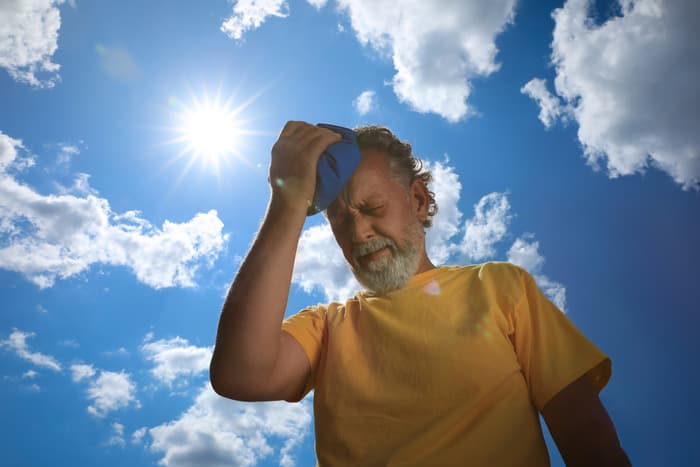
Excessive heat: How to Stay Safe and Protect Your Health
When temperatures rise beyond normal, it is not just uncomfortable, it can be dangerous. Excessive heat puts stress on the body and can lead to dehydration, fatigue, and serious health complications if precautions are not taken. As heatwaves become more frequent, understanding how to stay safe during periods of extreme heat is essential for your wellbeing.
This guide explains what excessive heat is, the health risks involved, who is most vulnerable, and practical ways to protect yourself and your loved ones.
Understanding Excessive Heat and Its Effects
Excessive heat occurs when temperatures remain higher than usual for a region over several days. This prolonged heat challenges the body’s natural cooling mechanisms, such as sweating and circulation. When the body struggles to regulate temperature, it can result in fatigue, headaches, and more serious health issues if exposure continues.
During these periods, it is common for people to feel drained, dizzy, or irritable. Even healthy individuals may experience difficulty concentrating or reduced physical performance. Recognizing the signs early is key to preventing serious complications.
Health Risks of Excessive Heat
Exposure to high temperatures for extended periods can lead to several health problems:
Dehydration
Losing more fluids than you consume can cause dizziness, dry mouth, and muscle cramps. Severe dehydration can affect kidney function and overall health.
Heat Exhaustion
Heavy sweating, weakness, nausea, headaches, and a rapid heartbeat are warning signs. Heat exhaustion requires immediate rest and hydration to prevent it from worsening.
Heatstroke
Heatstroke occurs when the body’s temperature rises uncontrollably. Symptoms include confusion, loss of consciousness, and hot, dry skin. Immediate medical attention is necessary.
Exacerbation of Chronic Conditions
High temperatures can worsen pre-existing health problems, including heart disease, asthma, and diabetes.
Who Is Most Vulnerable
Although everyone is affected by extreme heat, some groups are more at risk:
- Elderly individuals whose bodies regulate temperature more slowly
- Infants and young children whose bodies heat up faster than adults
- People with chronic illnesses or on medications that affect hydration
- Outdoor workers, athletes, or those engaged in physical labor
- Individuals without access to air conditioning or shaded areas
Being aware of who is most vulnerable allows you to take extra precautions for yourself and others.
How to Stay Safe from Excessive Heat
Preventing heat-related health issues requires awareness and preparation. Here are practical ways to protect yourself:
Hydrate Constantly
Drink water regularly throughout the day, even if you do not feel thirsty. Avoid alcohol or caffeinated drinks that can increase dehydration.
Limit Exposure to Direct Sunlight
Avoid outdoor activities during peak heat hours, usually late morning to early evening. If you must go outside, stay in shaded areas and take frequent breaks.
Dress Appropriately
Wear lightweight, loose-fitting, and light-colored clothing. Breathable fabrics allow your body to cool naturally. Hats and sunglasses offer additional protection.
Cool Your Living Space
Use fans or air conditioning where possible. Close curtains to block sunlight during the day and open windows at night when temperatures drop. Spending time in shaded or cool areas helps your body maintain a safe temperature.
Eat Light and Healthy Meals
Heavy meals can increase body temperature. Opt for fresh fruits, vegetables, and light meals to help your body stay cool.
Monitor Your Body for Warning Signs
Be alert to dizziness, weakness, headaches, or confusion. Acting quickly by moving to a cooler space and hydrating can prevent severe complications.
Simple Lifestyle Adjustments
Small routine changes can reduce vulnerability during heatwaves. Plan outdoor activities for cooler hours, check on children, elderly family members, or neighbors, and ensure pets have plenty of water. Establishing safe habits and hydration routines helps your body cope with excessive heat effectively.
Conclusion
Excessive heat is more than uncomfortable weather. It is a serious environmental stressor that can affect health and wellbeing. By staying informed and taking practical precautions, you can protect yourself and your loved ones. Drinking enough water, avoiding peak sun exposure, dressing appropriately, keeping your living spaces cool, and monitoring for warning signs are all effective strategies.
In case of any health issues or sudden symptoms during periods of extreme heat, it is helpful to have access to reliable medical support. You can contact Valeo Health for a doctor on call, doctor at home, or doctor at hotel to receive timely care without leaving your location. Being prepared and knowing where to get professional help ensures safety and peace of mind during high-temperature conditions.