


Kidney Stone Symptoms: Early Signs You Should Not Ignore
Kidney stones are known for causing awful pain and making you shiver. But often, they start without clear signs that most people miss.
Here are the symptoms that may indicate you have kidney stones:
● Sudden, unexplained waves of nausea.
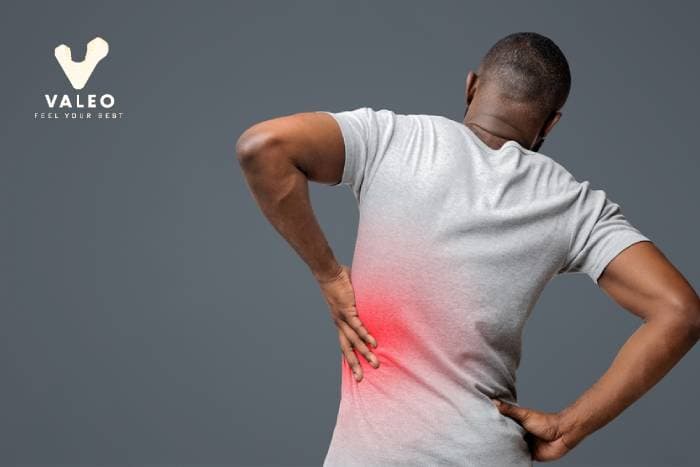
● Sharp pain localized in the lower back.
● An unusual burning sensation experienced while urinating.
What we all usually do, you brush it off by connecting it with dehydration or a muscle strain.
But what if it’s not that and something big? Yes, it can be kidney stones and you need an immediate surgery.
The kidney stones don't always announce themselves loudly in the beginning. The early signals can be subtle, confusing, and easy to ignore. But with time the pain becomes unbearable, the stone may already be causing serious discomfort or complications.
The good news is that your body provides signs. By recognizing those early and utilizing a lab test at home service, you can take quick action and prevent needless discomfort.
For emergencies, we advise calling a Home Doctor on Call. We will provide immediate guidance on the necessary steps, such as whether to call an ambulance or what over-the-counter medication to use.
Here we will guide you about the kidney stone symptoms you should never ignore, and this allows you to do timely actions.
What Exactly Are Kidney Stones?
Kidney stones are hard deposits made of minerals and salts that form inside your kidneys.
These stones develop when urine becomes too concentrated. Minerals stick together and turn into crystals. Over time, those grow into stones (can be big or small in size).
Well, some stones are tiny and pass on their own. Others grow larger and block parts of the urinary tract. That’s when the real pain begins.
To know the size of the kidney, you need different tests - which can be urine or blood tests, and ultrasound.
Causes Behind Kidney Stones
Have you ever wondered what the underlying causes of kidney stone formation are?
Below, we list the most common reasons:
● Insufficient fluid intake (water, juices, or shakes).
● Lack of fruits and vegetables with high water content in the diet.
● The use of certain types of medication.
● An existing medical condition that elevates certain substances in the urine.
Valeo Health Commitment & Healthy Updates
We are committed to safeguarding your well-being through a strong emphasis on a healthy lifestyle to avoid getting sick. And it even keeps your immune system strong to fight against the germs.
For the latest on our new IVs, new blood testing methods, and advanced treatment techniques, be sure to visit our app or website for updates.
6 Significant Warning Signs of Kidney Stones
Here we are going to discuss in-depth about the six major signs that are indicating you have a stone in your kidney.
1. Sudden Pain in the Lower Back or Side
Kidney stone pain, which is the most commonly recalled symptom, typically begins in the lower back or side, just below the ribs. It is generally localized to one side of the body.
At first, it may feel like a dull ache. Many people mistake it for a pulled muscle or poor posture. And some people indicate it as dehydration (yes, it can be a reason which you can’t ignore).
Kidney stone pain has a pattern. It:
● Comes in waves
● Gets intense very quickly
● Moves from the back toward the lower abdomen or groin
Don't ignore sharp, cramping pain that shifts location. Immediately access our doctor at home service. Our team is available to help, from performing special tests to prescribing necessary medication. We got you covered!
2. Burning or Painful Urination
When a stone moves into the lower urinary tract, urination can suddenly become uncomfortable.
You may feel:
● A burning sensation
● Sharp pain
● Discomfort each time you urinate
This sign is frequently mistaken for a urinary tract infection; however, a straightforward method of getting to know it is a Complete Blood Count (CBC) test. This test can resolve this uncertainty.
If this symptom is accompanied by pain in the back or side, then for sure it’s a kidney stone may be the underlying cause.
3. Frequent Urge to Urinate
You might have a kidney stone if you feel the need to pee all the time and right now.
These means you kidney stones can annoy your bladder, causing you to:
● Pee often: Making constant trips to the toilet.
● Feel a sudden rush: Having an immediate, strong "gotta go" feeling.
● Feel hurt when you pee: Feeling pain or discomfort as the urine comes out.
● Only pee a little bit: Passing small amounts of urine each time.
If this feels unusual or out of the blue, it’s worth getting checked.
If you are still unsure of the necessary steps to take, it is advisable to contact a doctor on call for clarification regarding the situation.
4. Blood in the Urine
Blood in your urine is a symptom you should never ignore.
When a kidney stone travels, it can irritate the lining of the urinary tract, potentially causing bleeding. This bleeding might result in urine that appears:
● Pink
● Red
● Brown
Blood in the urine, even if microscopic and only detectable through lab tests, always necessitates a medical consultation. It's important to note that visible blood in urine should not be mistaken for menstrual bleeding in females.
In such scenarios, you shouldn’t ignore this sign at all, immediately rush to the ER or call a doctor at home to get timely treatment.
5. Nausea and Vomiting
Kidney pain doesn’t always stay in your back.
The kidneys share nerve pathways with the digestive system. When pain becomes severe, it can trigger nausea and even vomiting.
If intense back pain is followed by stomach upset, your body may be reacting to a moving stone. So, whenever you feel any symptoms, visit the ER or connect with a doctor on call.
6. Fever and Chills
This is a serious warning sign - don’t take it for granted.
If you experience fever and chills along with kidney stone symptoms, it could mean there’s an infection. This is not a time to eat over-the-top-counter medication.
Seek immediate medical attention if you have:
● High fever
● Chills
● Severe pain
● Weakness
An infected kidney stone can become dangerous quickly. This is not something to delay.
Why Early Detection Is So Important
Many people try to “wait it out.”
Yes, some small stones pass naturally. But ignoring symptoms can lead to:
● Severe, uncontrolled pain
● Blockage in the urinary tract
● Infection
● Kidney damage
Early diagnosis allows doctors to monitor the stone and recommend the right treatment. Sometimes hydration and medication (oral supplements or IV hydration express) are enough.
In other cases, medical procedures may be needed.
So, the earlier you act, the simpler the solution.
If you ever need assistance, simply reach out to Valeo Health. We are fully committed to ensuring you receive everything necessary to move forward with your Kidney Stones treatment.
Who Is More at Risk?
Kidney stones can affect anyone. But your risk increases if you:
● Don’t drink enough water
● Live in hot climates
● Eat high-sodium foods
● Consume excessive animal protein
● Have a family history of kidney stones
● Have certain metabolic or medical conditions
Dehydration Is Major Cause for Kidney Stones
Dehydration, particularly in hotter climates, is a primary catalyst for kidney stone formation.
When the body is low on fluids, the resulting concentrated urine provides an ideal environment for stones to develop.
So, hydration is not just a wellness trend. It’s to prevent getting sick.
Protecting Your Kidney Health
Simple lifestyle changes can reduce your risk:
● Drink plenty of water daily
● Reduce salt intake
● Limit sugary drinks
● Maintain a balanced diet
● Schedule regular health checkups
Small habits today can prevent major pain tomorrow.
Final Thoughts
Kidney stones rarely announce themselves with dramatic pain. Instead, they begin as quiet warnings—whispers before they become a scream.
Watch for these early signals from your body:
● A small ache.
● A slight burning sensation.
● A subtle change in your urine.
Do not dismiss these signs. If something feels unusual, early attention can prevent intense pain and serious complications later on.
At Valeo Health, we prioritize your comfort and health.
Remember to stay hydrated, remain vigilant, and never ignore the early messages your body sends you.
Lastly, schedule your lab test at home with us to track your health!