
From Thick to Thin: Dealing with Postpartum Hair Loss
Causes of postpartum hair loss include:
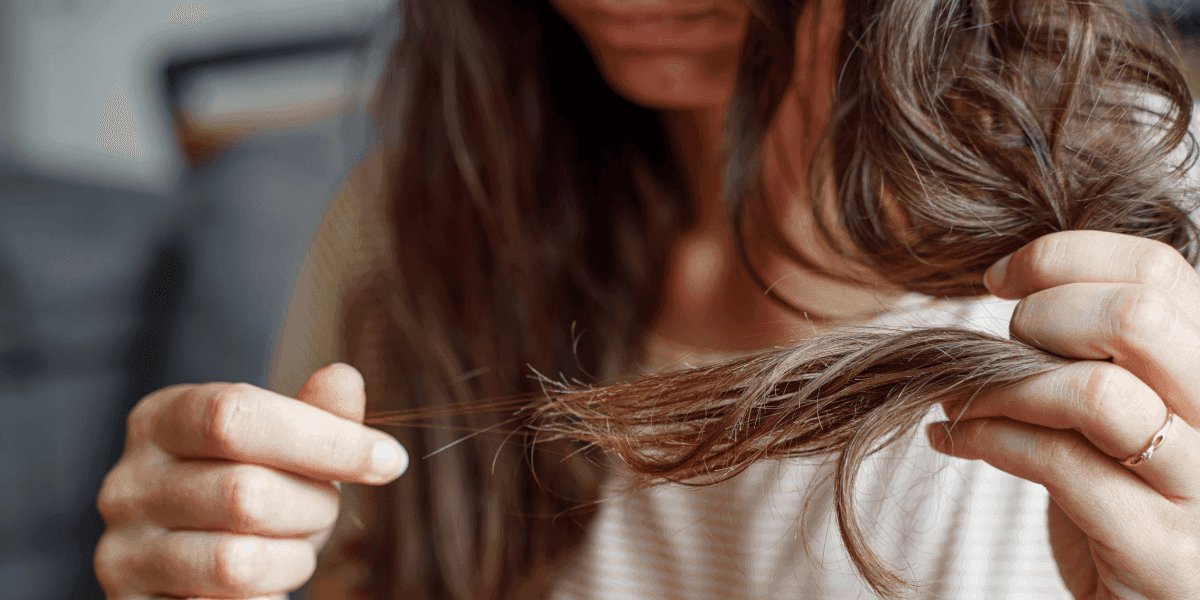
Postpartum hair loss, also known as postpartum alopecia, is a common condition that affects many new mothers after giving birth. During pregnancy, hormonal changes can lead to thicker and fuller hair. However, after childbirth, hormone levels drop, and many women experience hair shedding and thinning. Postpartum hair loss can be distressing for new mothers, as it may affect their self-esteem and confidence. The good news is that this condition is usually temporary, and hair usually regrows within several months. Understanding the causes of postpartum hair loss can help women cope with this normal and temporary condition.
- Hormonal changes: As mentioned above, the sudden drop in estrogen levels after childbirth can trigger hair loss. During pregnancy, a woman's body experiences an increase in estrogen levels, which can cause hair to remain in the anagen (growth) phase for a longer time, leading to thicker and fuller hair. This is due to the fact that estrogen prolongs the anagen phase, resulting in a reduced rate of hair shedding. However, after childbirth, estrogen levels drop, causing more hair follicles to enter the telogen (resting) phase and eventually shedding. This means that more hair than usual may fall out, leading to noticeable hair loss.The decrease in estrogen levels can also lead to an increase in androgen hormones such as testosterone, which can contribute to hair loss. Androgen hormones can cause hair follicles to shrink, leading to weaker and thinner hair.
- Giving birth is a physically demanding process that can cause stress on the body, which contributes to hair loss.
- The demands of pregnancy and breastfeeding can deplete a woman's nutrient stores, which can affect hair growth and contribute to hair loss.
- Some women may be more genetically predisposed to postpartum hair loss.
How to manage Postpartum Hair loss:
Postpartum hair loss is a normal and temporary condition that usually resolves on its own within six to twelve months after childbirth. However, there are a few things that new mothers can do to help minimize hair loss and promote healthy hair growth:
- Maintain a healthy diet: Eating a well-balanced diet that includes plenty of protein, vitamins, and minerals can help support healthy hair growth.
- Learning how to manage stress through relaxation techniques such as meditation, yoga, or deep breathing exercises can help minimize hair loss.
- Avoid harsh hair treatments, such as coloring, bleaching, or perming can help prevent further damage to the hair.
- Avoiding hairstyles that pull on the hair, such as tight braids or ponytails
- Use gentle hair care products: Using gentle, sulfate-free shampoo and conditioner can help prevent further damage to the hair.
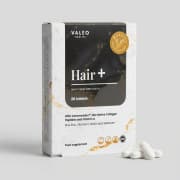
- Consult with a Valeo health coach: If you're concerned about your hair loss or if it's particularly severe, it's always a good idea to consult with a Valeo health coach. They may recommend any of Valeo’s blood tests to study if there are any deficiencies and top notch supplements that can help promote healthy hair growth, like Hair+
Postpartum hair loss is a common condition that affects many women after they give birth. The good news is that postpartum hair loss is usually temporary and resolves on its own within a few months. Try Valeo, connect with our health coaches and they will help guide you through this issue.