



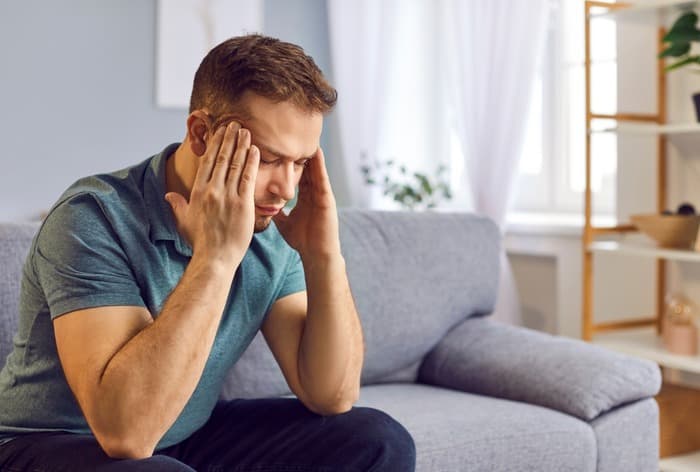
12 Simple Migraine Home Remedies for Fast and Natural Headache Relief
Migraines and headaches can interrupt your work, sleep, focus, and daily routine in a way that feels impossible to ignore. For some people, the pain is occasional. For others, it keeps coming back and affects productivity, family time, and overall wellbeing. The good news is that not every headache starts with a medicine cabinet. In many cases, simple habits at home can help reduce discomfort, calm symptoms, and make an attack easier to manage. Practical measures like rest in a dark room, hydration, cold therapy, regular meals, stress control, and healthy sleep routines are commonly recommended by trusted health sources for migraine self-care.
Migraine is more than “just a bad headache.” It is a neurological condition that can involve throbbing head pain, nausea, vomiting, and sensitivity to light or sound. Some people also experience warning signs such as visual changes, fatigue, food cravings, or trouble concentrating before the pain fully starts. Because symptoms vary from person to person, the most effective migraine home remedies are usually the ones that combine symptom relief with trigger control and good daily routines.
This guide covers 12 simple and realistic ways to get relief at home, plus the warning signs that mean you should stop self-managing and speak to a medical professional.
1) Rest in a dark, quiet room
One of the simplest and most effective first steps is to reduce stimulation. Migraines often make people more sensitive to light, sound, and sometimes even smell. Lying down in a dark, quiet room can help settle your nervous system and reduce the intensity of the attack. Many people find that even 20 to 30 minutes of reduced noise and dim light helps take the edge off. Trusted guidance from the NHS and Mayo Clinic specifically recommends resting in a darkened, quiet room during a migraine episode.
2) Drink water and correct dehydration early
Dehydration is a common headache trigger and can also make an existing migraine feel worse. If you have not had enough water, have been in the heat, exercised heavily, or skipped fluids during a busy day, start with small, steady sips of water. Do not wait until you feel extremely thirsty. A gentle rehydration approach is often better than drinking too much too quickly, especially if nausea is already present. Health sources consistently include hydration among the basic self-care steps for migraine management.
3) Use a cold compress on the forehead or neck
A cool cloth or ice pack wrapped in a towel can be very soothing during migraine pain. Cold therapy may help numb the area and reduce how strongly you feel the pain. Some people prefer placing it on the forehead, while others feel better applying it to the back of the neck. Do not place ice directly on the skin. Mayo Clinic guidance specifically notes that cool cloths or ice packs wrapped in fabric may help ease migraine pain.
4) Eat something light if you have skipped a meal
Missing meals can trigger headaches and migraines in many people. If you have gone too long without eating, try a light, easy-to-digest snack or meal. Plain toast, crackers, fruit, soup, rice, yogurt, or another gentle option may be easier to tolerate if you feel nauseated. Regular mealtimes are commonly recommended in migraine prevention advice, because unstable eating patterns can trigger symptoms in some people.
5) Manage caffeine carefully
Caffeine can be tricky. For some people, a small amount may help with headache pain, and it is also included in some headache medicines. For others, too much caffeine, or suddenly cutting it off, can trigger headaches. The safest home approach is moderation and consistency. If caffeine helps you, keep the amount small and avoid overdoing it. If you usually consume a lot, reducing it slowly may be better than stopping all at once. MedlinePlus and the American Migraine Foundation both note that caffeine can play a role in migraine patterns and needs to be managed carefully.
6) Focus on sleep and recovery
Poor sleep, irregular sleep, and exhaustion are well-known migraine triggers. If a migraine starts after several late nights, a nap or early night can sometimes help the body reset. Long term, keeping a regular sleep schedule is more helpful than trying to “catch up” randomly. Sleep hygiene, including consistent bedtime and wake time, is widely recommended as part of migraine prevention and symptom control.
7) Practice slow breathing and stress reduction
Stress is one of the most commonly reported headache and migraine triggers. While stress relief is not an instant cure, techniques such as slow breathing, quiet rest, gentle stretching, or short guided meditation may help calm the body and reduce symptom intensity. Over time, stress management can also help reduce how often attacks happen. MedlinePlus and the American Migraine Foundation both recommend stress management and relaxation practices as part of migraine care.
8) Try gentle neck and shoulder relaxation
Not every headache is purely migraine. Tension in the neck, scalp, and shoulders can make head pain feel worse or trigger a different type of headache at the same time. Gentle massage, a warm shower, light stretching, or careful posture correction may help if you also feel tightness in your upper body. Mayo Clinic notes that heat, massage, and easing muscle tension can help with certain headache patterns, especially tension-type headaches.
9) Reduce screen time and eye strain
If you are already in pain, bright screens, constant scrolling, and long hours of focus can make symptoms feel more intense. Lowering screen brightness, stepping away from the phone or laptop, and resting your eyes for a while may help. This is especially useful when migraine symptoms include light sensitivity, trouble focusing, or mental fatigue. While not every source phrases it the same way, trusted migraine guidance consistently supports reducing triggers and limiting sensory overload during an attack.
10) Keep a headache diary to find your triggers
One of the smartest long-term migraine home remedies is to track patterns. Write down when the headache started, what you ate, how much water you drank, how you slept, stress level, screen exposure, and anything else that stands out. Over time, you may notice clear triggers such as dehydration, missed meals, poor sleep, menstrual changes, too much caffeine, or certain foods. The NHS and other migraine resources recommend keeping a diary to identify triggers and monitor improvement.
11) Keep your daily routine steady
People living with migraine often do better when their body is not being pushed into extremes. Regular meals, adequate water, exercise, stress control, and stable sleep can help lower the chances of attacks. In migraine education, this kind of routine-based management is often emphasized because prevention is not only about medicine, but also about how consistently you support your nervous system every day. The American Migraine Foundation describes this lifestyle approach through the “SEEDS” framework: sleep, exercise, eat, diary, and stress.
12) Know when home care is not enough
Home care can be useful for mild or familiar symptoms, but there are times when you should not wait. Sudden severe headache, new neurological symptoms, confusion, speech difficulty, weakness, fainting, fever, stiff neck, or a headache after injury need urgent medical assessment. You should also seek care if headaches are becoming frequent, changing in pattern, or no longer responding to your usual self-care steps. The NHS advises medical review for severe or unusual migraine symptoms, especially if the pattern changes or more serious warning signs are present.
When to consider medical support at home
If the pain is severe, keeps returning, or is paired with symptoms like weakness, dizziness, repeated vomiting, or unusual fatigue, getting professional help quickly matters. In those situations, arranging a Doctor on Call service may be more practical than trying to travel while unwell. In some cases, families also prefer to call doctor at home when the patient is elderly, pregnant, recovering from illness, or unable to safely move around. For recurring headaches, a professional can help rule out underlying causes, guide treatment, and decide whether you need further testing or referral.
If symptoms are linked with fatigue, anemia concerns, infection, hormone changes, or general weakness, a clinician may recommend a Lab Test at Home service so basic investigations can be done without adding the stress of travel. Depending on your symptoms, this may include a blood panel or other targeted checks advised by a doctor.
Are migraines and headaches always the same thing?
No. Headache is a broad symptom, while migraine is a specific neurological condition. A tension headache may feel like pressure or tightness around the head. A migraine often feels more intense and may come with nausea, vomiting, sensitivity to light, sound, or visual disturbance. Knowing the difference matters because the right relief strategy can depend on the type of headache you are having.
Quick tips that often help in the first 30 minutes
If you want a simple action plan, start here:
Rest in a dark, quiet room.
Drink water slowly.
Apply a cold compress.
Eat something light if you skipped a meal.
Reduce screen exposure.
Use calm breathing to settle stress.
Track what may have triggered the attack.
These are not miracle cures, but they are practical, low-risk steps that align with standard migraine self-care advice from trusted health organizations.
Final thoughts
The best migraine home remedies are usually simple, consistent, and personalized. There is no single trick that works for everyone, but many people find real relief by combining hydration, rest, cold therapy, sleep support, trigger awareness, and stress control. The key is to notice your pattern early and respond before symptoms build. And when the headache feels different, stronger, or more frequent than usual, do not rely only on home remedies. That is the point where proper medical evaluation becomes the smarter choice.
FAQ: Migraine and Headache Relief at Home
1) What is the fastest home remedy for migraine relief?
For many people, the quickest at-home steps are resting in a dark, quiet room, drinking water, and applying a cold compress to the forehead or neck. These measures are commonly recommended by trusted medical sources for early migraine relief.
2) Do migraine home remedies actually work?
They can help manage symptoms and reduce discomfort, especially for mild or familiar attacks, but they do not replace medical treatment when symptoms are severe, unusual, or frequent. Home strategies are most effective when combined with trigger management and healthy daily habits.
3) Is drinking water good for migraine?
Yes, hydration is one of the most common self-care recommendations because dehydration can trigger headaches and worsen migraine symptoms. Drinking water slowly and consistently is usually more helpful than waiting until you are severely dehydrated.
4) Is coffee good or bad for migraines?
It can be either, depending on the person. A small amount may help some people, but too much caffeine or sudden withdrawal can trigger headaches in others. The goal is moderation and consistency.
5) What foods should I eat during a migraine?
Light, easy-to-digest foods are often best, especially if you feel nauseated. The bigger issue is not skipping meals, since irregular eating can be a trigger for some people.
6) Can lack of sleep trigger headaches and migraines?
Yes. Poor sleep, irregular sleep, and fatigue are well-recognized migraine triggers. Keeping a steady sleep routine can help reduce attacks over time.
7) When should I see a doctor for a migraine?
You should seek medical advice if the headache is severe, sudden, changing in pattern, happening more often, or linked with symptoms such as weakness, confusion, speech problems, stiff neck, fever, or fainting.
8) Can I get a doctor at home for severe headache symptoms?
Yes, in many situations a Doctor on call option can be useful, especially when the patient is unable to travel comfortably or needs quick medical guidance at home. This can be especially helpful for elderly patients, busy families, or those with severe discomfort.
9) Can a lab test help identify the reason for recurring headaches?
Sometimes, yes. If a clinician suspects issues such as anemia, infection, or another underlying concern, a Lab Test at Home service may be recommended to make the evaluation easier and faster.
10) Are migraines always one-sided?
Not always. Many people describe migraine pain on one side of the head, but migraine symptoms can vary and may also include nausea, light sensitivity, sound sensitivity, and visual symptoms.
11) Can stress really cause migraines?
Stress is one of the most commonly reported migraine triggers. It may not be the only cause, but managing stress can help lower both frequency and severity in many people.
12) What is the difference between a migraine and a normal headache?
A normal headache may feel like pressure or dull pain, while a migraine often involves more intense pain plus symptoms like nausea, vomiting, and light or sound sensitivity. Migraine is a neurological condition, not just a stronger headache.