

How Can I Test for Food Allergies At-Home?
A food allergy is an immunological response that arises after consuming an allergen-containing food. Many people suffer from food allergies, which can be uncomfortable and even harmful. It is critical to identify specific allergies in order to effectively manage these illnesses – to confirm you need a food allergy test.
While it is always advisable to seek professional medical guidance at Feelvaleo when experiencing symptoms such as digestive issues, hives, or swelling of the airways. They offer safe and straightforward methods for testing food allergies in the comfort of your own home.
In this blog post, we will discuss various at-home techniques for testing for food allergies and their usefulness.
What Are Food Allergies?
Food allergy is the immune system's response to certain proteins found in foods, resulting in a range of symptoms of varying severity. Typically, these abnormal immune responses can cause a range of symptoms, some of which can be severe or life-threatening. Most reactions occur within minutes to hours after consuming the allergen.
These common food allergens include peanuts, tree nuts, shellfish, milk, eggs and wheat. However, food allergy symptoms can include hives, swelling, difficulty breathing, nausea, vomiting, diarrhea and, in severe cases, anaphylaxis.
If you're experiencing symptoms, contact us for an at-home food allergy test. This test will help identify which foods are causing allergies. can help identify the specific foods that are causing your allergic reaction. With this information, you can take steps to avoid these foods and prevent future allergic reactions. Contact us today to learn more about our food allergy testing services.
Another effective method to confirm food sensitivities is to perform a food intolerance test. This test is often performed when your body is intolerant to specific foods, allowing these food sensitivities to be identified and managed more effectively.
At-Home Food Allergy Testing Methods
Before we discuss the methods for at-home food allergy testing, it's essential to highlight the importance of consulting a healthcare professional at Feelvaleo for a definitive diagnosis. Self-testing can be helpful to take an initial step, but professional guidance is crucial for accurate results and safe management.
Let’s deep dive into the different methods of food allergy tests.
1. Food Diary
Keeping a detailed food diary is a simple method for tracking your daily food intake and associated symptoms. Track your food intake, time, and how you feel after meals. Trends may emerge over time to assist you in identifying possible allergens.
2. Elimination Diet
An elimination diet involves removing suspected allergenic foods from your diet for a specific period, usually 2-4 weeks, and then reintroducing them one at a time. This method helps you identify foods that trigger allergic reactions. However, it should be done with caution, as it may lead to unintentional exposure to allergens and unexpected reactions.
3. Food Allergy Test Kits
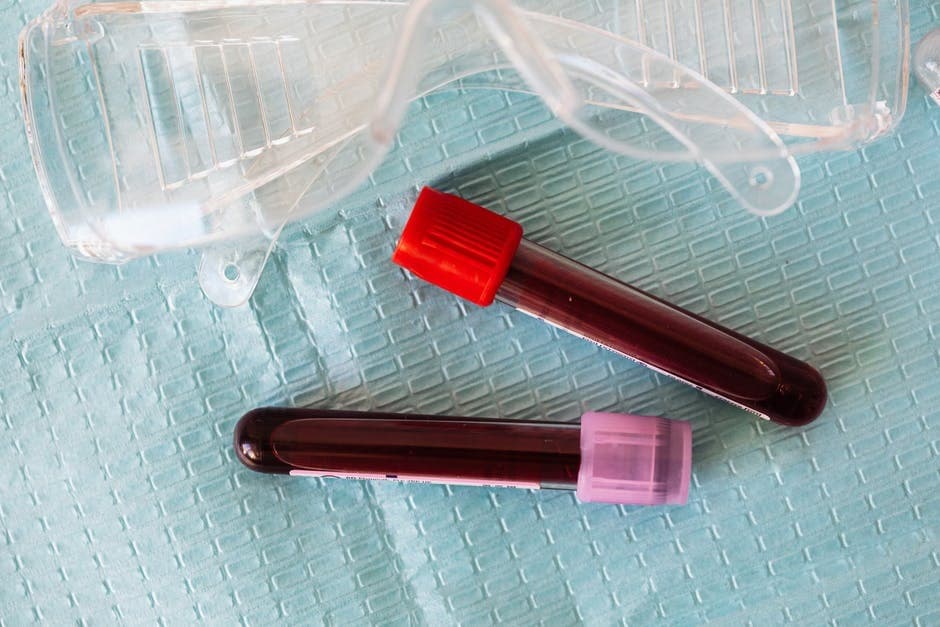
Get food allergy test kits that you can use at home. These kits typically involve collecting a blood sample via a finger prick or a saliva sample, which is then sent to a laboratory for analysis. The laboratory tests for specific antibodies related to common food allergens. Keep in mind that the accuracy of these tests can vary, so choose a reputable company like us.
4. Skin Prick Test (with Professional Supervision)
You can perform a skin prick test at home with proper guidance by Feelvaleo.com. The test involves pricking your skin with a small amount of allergenic food extract to check for allergic reactions. However, it is crucial to consult with a healthcare provider before attempting this test to ensure that it is done safely and accurately.
Why Professional Consultation is Important?
While at-home food allergy testing can provide valuable initial insights, they should not replace professional medical advice and diagnosis. Here are some key reasons to consult a Feelvaleo’ healthcare provider.
- They have access to more accurate and reliable testing methods, reducing the risk of false positives or negatives.
- Interpreting the results of food allergy tests can be complex findings and develop a tailored management plan.
- Some at-home tests, such as skin prick tests, can lead to severe allergic reactions if not administered correctly. Doctors can perform these tests safely and provide immediate care if necessary.
- Further, they can conduct a thorough evaluation of your symptoms, medical and family history to identify risk factors and potential risk factors.
Conclusion
Testing for food allergies at home can be a helpful first step in identifying problematic foods and allergens. However, remember that professional guidance is essential for accurate diagnosis and safe testing procedures.
If you suspect that you may have a food allergy or food sensitivity, we recommend consulting Feelvaleo to ensure that you receive an appropriate food allergy test or food intolerance test. These testing methods are ideal for managing your dietary restrictions. By working closely with healthcare professionals, you can take control of your health and enjoy a safer, more comfortable life.