

Hair Growth: Causes, Treatments and Ways to Support Healthy Hair
Healthy hair growth depends on several factors, including genetics, hormones, nutrition, scalp health, lifestyle and overall health. Losing some hair each day is normal, but persistent shedding, thinning or visible bald patches may indicate an underlying cause that needs attention.
Understanding what is affecting your hair is an important first step toward finding the right hair growth treatment.
What Is Normal Hair Shedding?
It is normal to lose some hair every day as part of the natural hair growth cycle. According to the American Academy of Dermatology, people can typically lose around 50 to 100 hairs a day.
However, noticeable changes such as increased shedding, a widening part, thinning around the hairline or bald patches may indicate excessive hair loss.
Hair grows through different phases. When the normal growth cycle is disrupted, more hairs may enter the shedding phase, resulting in visible thinning.
What Causes Hair Loss?
Hair loss can have many different causes. Identifying the underlying reason is important because treatment depends on the type of hair loss.
1. Hereditary Hair Loss
Genetic or hereditary hair loss, also known as androgenetic alopecia, is one of the most common causes of hair thinning.
Men may develop a receding hairline or thinning around the crown, while women may notice gradual thinning across the scalp or a widening part.
Early assessment can help determine whether treatment may help slow further hair loss.
2. Nutritional Deficiencies
A diet lacking adequate nutrients can affect normal hair growth. Low levels of nutrients such as iron or insufficient protein intake may contribute to hair shedding in some people.
If a deficiency is suspected, a healthcare professional may recommend appropriate testing before suggesting supplements.
Taking supplements without knowing whether you have a deficiency may not improve hair growth and, in some cases, excessive intake of certain nutrients can contribute to hair loss.
For more guidance on maintaining your overall health and wellbeing, explore the Valeo Health Hub.
3. Hormonal Changes
Hormonal changes can affect the hair growth cycle. Thyroid conditions and other hormonal changes may contribute to increased shedding or thinning.
Women may also experience temporary hair loss after pregnancy or other significant hormonal changes.
If hair loss occurs alongside other symptoms, a medical assessment can help determine whether an underlying condition could be contributing to it.
4. Stress and Illness
Significant physical or emotional stress can sometimes trigger increased hair shedding. Severe illness, high fever, surgery, rapid weight loss and other physical stressors may also affect the hair growth cycle.
This type of shedding can sometimes improve after the underlying trigger is addressed.
5. Tight Hairstyles and Hair Damage
Regularly wearing very tight hairstyles can place tension on the hair follicles. Excessive heat styling, chemical treatments and aggressive brushing can also cause hair breakage.
Choosing gentler hair-care practices can help reduce unnecessary damage to fragile hair.
How Can You Support Healthy Hair Growth?
Supporting healthy hair involves more than choosing a hair-growth shampoo or serum. Your overall health, nutrition, scalp condition and lifestyle can all play a role.
Maintain a Balanced Diet
Hair requires adequate nutrients for normal growth. Include sufficient protein along with a variety of fruits, vegetables, whole grains and other nutrient-rich foods.
If you think a nutritional deficiency may be contributing to hair loss, speak with a healthcare professional before starting supplements.
Follow a Gentle Hair-Care Routine
Avoid excessive pulling, harsh brushing and hairstyles that put continuous tension on your hair.
Limit excessive heat and chemical treatments if your hair is already fragile or thinning.
Manage Stress
Long-term stress can affect different systems in the body and may contribute to changes in the hair growth cycle.
Regular physical activity, sufficient sleep and healthy stress-management practices can support your overall wellbeing.
You can explore more evidence-based health and wellness information through the Valeo Health Hub.
Identify the Underlying Cause
One of the most important steps in managing persistent hair loss is understanding why it is happening.
Depending on your symptoms and medical history, a healthcare professional may examine your scalp and hair-loss pattern and may recommend blood tests when nutritional deficiencies, hormonal changes or other medical causes are suspected.
Medical Treatments for Hair Growth
Treatment depends on the type and cause of hair loss.
For certain types of hair loss, minoxidil may help stimulate hair growth and reduce further hair loss. The American Academy of Dermatology notes that treatment often requires consistent use and that results may take time to become noticeable.
For some people with androgenetic hair loss, prescription treatments such as finasteride may also be considered. However, prescription medicines are not suitable for everyone and should only be used under appropriate medical guidance.
Because different types of hair loss require different approaches, it is important to avoid self-treating without understanding the cause.
When Should You See a Doctor About Hair Loss?
Consider speaking with a doctor if you experience:
Sudden or rapid hair loss
Persistent or worsening hair shedding
Noticeable thinning
A widening part or receding hairline
Bald patches
Scalp itching, inflammation or scaling
Hair loss following a significant illness or physical change
Hair loss that does not improve with changes to your hair-care routine
According to the American Academy of Dermatology, identifying the cause of hair loss is an important part of choosing appropriate treatment.
Can Hair Grow Back After Hair Loss?
Hair regrowth depends on the cause of hair loss.
Some types of hair shedding may improve once the underlying trigger is addressed. Other forms of hair loss may require ongoing medical treatment to slow progression and support regrowth.
Factors such as the type of hair loss, how long it has been present and the condition of the hair follicles can influence the outcome.
This is why persistent hair loss should not simply be ignored.
Doctor-Guided Hair Growth Treatment
There is no single hair-loss treatment that works for everyone. A personalised approach begins with understanding your symptoms and identifying possible causes.
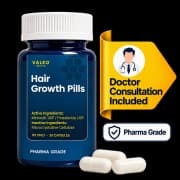
With Valeo's Hair Growth treatment, you can receive doctor-guided care designed around your individual needs. Depending on your medical history and symptoms, your doctor may recommend further assessment, blood tests or appropriate treatment options.
Where medically appropriate, treatments such as minoxidil or finasteride may be considered as part of a personalised plan.
Final Thoughts on Hair Growth
Healthy hair growth starts with understanding what is affecting your hair. Nutrition, lifestyle and gentle hair care can support overall hair health, but persistent hair loss may require medical assessment and targeted treatment.
Instead of relying on trial and error with hair products or supplements, consider speaking with a doctor to identify the possible cause and determine an appropriate treatment approach.
If you are experiencing persistent hair thinning or hair loss, explore Valeo's Hair Growth treatment for doctor-guided care.
For more information about maintaining your overall health and wellbeing, visit the Valeo Health Hub.
Medical Review
Expert reviewed by May Chalhoub, Certified Nutritionist, Licensed Dietitian & Health Coach, with a focus on nutrition, healthy hair growth and nutritional factors that may contribute to hair loss.