
What you should know
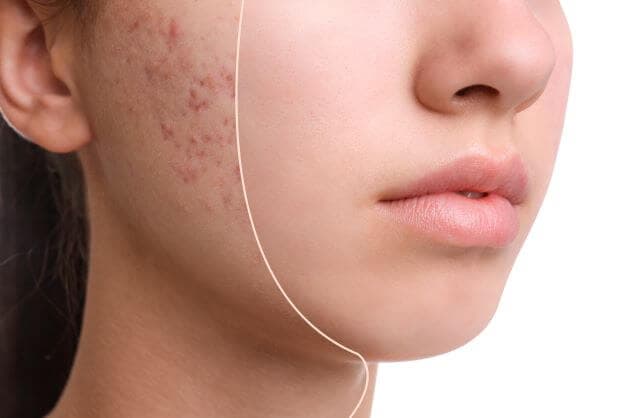
Acne is a common skin condition that can significantly impact self-esteem and quality of life. While various factors contribute to acne development, including genetics, hormones, and skincare practices, emerging research highlights the role of diet and lifestyle in acne management.
This guide explores how dietary choices, daily habits, and overall lifestyle factors can influence acne occurrence and severity.
The Don'ts of Acne Care: Avoiding Triggers
- Dairy Products (Yogurt, Sour Cream, Cheese): Excessive consumption of dairy products, particularly those high in hormones like milk-based yogurts and certain cheeses, can potentially worsen acne in susceptible individuals.
- Foods High in Histamine (Avocados, Eggplant, Soy Sauce, Chocolate, Aged Meat): Foods rich in histamine, when consumed excessively, may trigger or exacerbate acne symptoms, especially in individuals sensitive to histamine.
- Excess Iodine (Salted Chips, Seaweed, Iodized Table Salt, Shrimp, Eggs): Overconsumption of iodine-rich foods, such as seaweed and iodized salt, can contribute to acne development in some cases.
- Certain Fruits (Strawberries, Tomatoes, Bananas, Red Plums, Raisins, Figs, Dried Fruits): Consuming large quantities of certain fruits high in natural sugars, like strawberries and dried fruits, may potentially aggravate acne insusceptible individuals.
- Beverages (Alcohol, Herbal Teas, Canned Juice): Excessive consumption of alcohol and sugary beverages, including herbal teas and canned juices, can disrupt hormone balance and contribute to acne flare-ups.
- Gluten-Rich Foods (Wheat, Barley, Rye, Pasta, Cereals, Potato, Bread, Bagels): In some cases, a diet high in gluten-containing foods may contribute to acne symptoms, particularly in individuals with gluten sensitivity or intolerance.
- Spicy, Greasy, Refined, and Sugary Foods: Overindulgence in spicy, greasy, refined, and sugary foods can lead to increased inflammation and hormone fluctuations, potentially worsening acne. Foods Ric
- h in Saturated Fats (Meat, Processed Foods): High intake of saturated fats from meat and processed foods can disrupt hormone levels and inflammation, which may contribute to acne development.
- Low-Fiber Diet: A diet low in fiber can negatively impact gut health and digestion, potentially influencing skin health and contributing to acne in some individuals.
Superfoods
- Omega-3 Fatty Acids-Rich Foods (Salmon, Nuts, Chia Seeds): Incorporating omega-3 fatty acids from sources like salmon, nuts, and chia seeds into your diet can promote skin health and reduce inflammation associated with acne.
- Low-Glycemic Index and Fiber-Rich Foods: Opt for low-GI foods and fiber-rich vegetables and fruits to help stabilize blood sugar levels and support gut health, which may benefit acne-prone skin.
- Gluten-Free Foods: Choosing gluten-free options can be beneficial for individuals with gluten sensitivity, which may indirectly influence acne symptoms in some cases.
- Spices (Cinnamon, Ginger, Turmeric): Incorporating spices such as cinnamon, ginger, and turmeric into your diet can provide anti-inflammatory properties that may support clearer skin.
- Fresh Herbs (Basil, Thyme, Oregano, Garlic, Rosemary): Fresh herbs offer antioxidants and anti-inflammatory compounds that can contribute to overall skin health and potentially help manage acne.
- Teas (Green Tea and Chamomile): Drinking green tea and chamomile tea can provide antioxidants and have anti-inflammatory effects that may benefit acne-prone skin.
- High Zinc and Selenium Foods (Oyster, Fish, Beans, Legumes, Poultry): Foods rich in zinc and selenium, such as oysters, fish, beans, legumes, and poultry, can support skin health and may help reduce acne inflammation.
- Vitamin D-Rich Foods (Fatty Fish, Not Dairy): Getting vitamin D from sources like fatty fish (instead of dairy) canbe beneficial for skin health and immune function.
- Vitamin C-Rich Foods (Lemon, Kale, Broccoli, Cauliflower): Incorporating vitamin C-rich foods like lemon, kale, broccoli, and cauliflower can promote collagen production and skin healing, potentially benefiting acne-prone skin.
- Vitamin K-Rich Foods: Foods high in vitamin K, including kale, broccoli, spinach, nuts, and Swiss chard, can support healthy bloodcirculation and skin healing.
Quick 'n' Quirky
The recipe for success?
Try flipping your pillowcase over to the fresh side every couple of nights. This simple hack helps reduce contact with oil and bacteria buildup, which can contribute to breakouts. Bonus points for using a gentle, hypoallergenic detergent to wash your pillowcases regularly.
Supplement your life
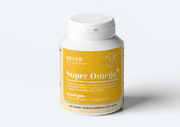
Super Omega+: lowers inflammation
Colon Cleanse: lowers inflammation
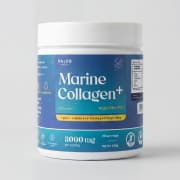
Valeo Marine Collagen+: promotes better skin health