
What Vitamins Are Best for Hair Growth and Do They Actually Work?
You've tried the serums, the vitamins with the prettiest packaging, maybe even a supplement your favorite influencer swears by, and your hairline still hasn't budged. It's a fair question: is there actually a best vitamin for hair growth, or is most of it just clever marketing?The honest answer is that a few vitamins genuinely help, but usually only when your body is missing them in the first place. This guide breaks down which vitamins are backed by real evidence, which ones are overhyped, and how to build a hair care routine around what your body actually needs instead of guessing.
What Are the Best Vitamins for Hair Growth?
Research points to a handful of nutrients with real evidence behind them, mostly ones your body needs for basic function rather than exotic add-ons.
Iron: the most common nutrient deficiency worldwide. Low iron stores (ferritin) are strongly linked to thinning hair, and regrowth is often possible once the deficiency is corrected.
Vitamin D: needed to help form new hair follicles. More than 80% of the UAE population has inadequate vitamin D levels, making it one of the most overlooked causes of thinning here.
Zinc: essential for follicle health, especially in people who are vegan, pregnant, or have absorption issues.
Vitamin C: doesn't grow hair on its own, but helps your body absorb iron more effectively.
These four have the strongest clinical backing, and they matter most when you're actually deficient, not as a general boost.
Is Biotin Actually Good for Hair Growth?
Biotin shows up in nearly every hair, skin, and nails supplement, but here's the reality check:
Weakest evidence of the core nutrients when used as a hair supplement on its own.
True deficiency is rare in people eating a normal diet, so supplementing rarely helps unless you're actually low.
High-dose biotin can interfere with certain blood tests, including thyroid tests, sometimes leading to inaccurate results.
If you take biotin, mention it before any bloodwork.
What Other Nutrients Are Worth Knowing About?
A few other nutrients come up often, though the evidence is weaker:
Protein: hair is literally made of keratin, so low intake over time can affect strength and growth.
Omega-3s: may support scalp health and reduce shedding in some smaller studies.
Selenium: supports follicle function, but both too little and too much have been linked to hair loss, so it's not one to self-supplement.
Can Taking Too Many Vitamins Cause Hair Loss?
Yes, and vitamin A is the clearest example:
In normal amounts, it supports the scalp and follicles.
In excess, it can push hair into its shedding phase early.
This is usually reversible once intake returns to normal, though it can take a few months.
A reminder that more isn't automatically better.
What Mistakes Do People Make With Hair Vitamins?
Most of the frustration here comes down to a few avoidable habits:
Taking a supplement without knowing which nutrient you're actually low in.
Expecting results in days instead of months.
Doubling up on biotin or vitamin A "just in case."
Ignoring non-vitamin causes like stress or thyroid issues.
Buying based on marketing instead of evidence.
Choosing a supplement without knowing the cause of your hair loss rarely fixes it..
Do Hair Vitamins Actually Work?
Mostly, yes, but only when they're correcting a real deficiency:
If your levels are already normal, taking more usually doesn't help and can even cause new problems.
When people search for the best vitamins for hair growth, what they're really asking is whether any of this works.
The honest answer: only if you're actually missing something in the first place.
The best way to know is a simple blood test rather than guessing.
How Do You Know If You're Actually Deficient?
A blood test is the most reliable way to find out:
Check iron, zinc, vitamin D, and thyroid function.
Guessing means you could waste money or overdo a nutrient that works against you.
Once you know what's actually off, it's far easier to build a hair care plan — and a supplement — around real numbers instead of trends.
Conclusion
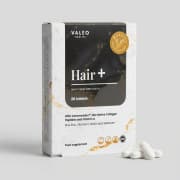
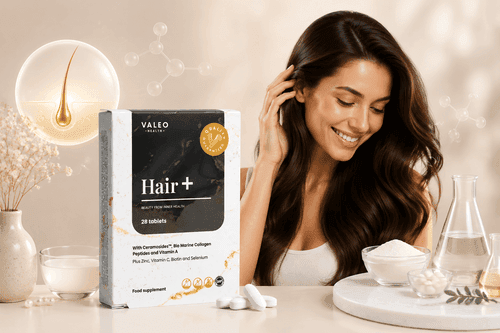
Hair vitamins aren't a scam, but they're not magic either. The best vitamins for hair growth are simply the ones matched to what your body is actually missing, not the flashiest hair supplement on the shelf. Iron, vitamin D, zinc, and vitamin C are also some of the easiest nutrients to test for, which makes guessing largely unnecessary. If you want a real hair care plan built on your own numbers instead of trial and error, Valeo Health's Hair Loss Blood Test checks the biomarkers most linked to hair loss and comes with a review from a health expert who can guide your next step.
Medically Reviewed By: Dr. Rayan Mohammed, General Practitioner at Valeo Health
Reviewed for medical accuracy, safety guidelines, and healthcare recommendations.