



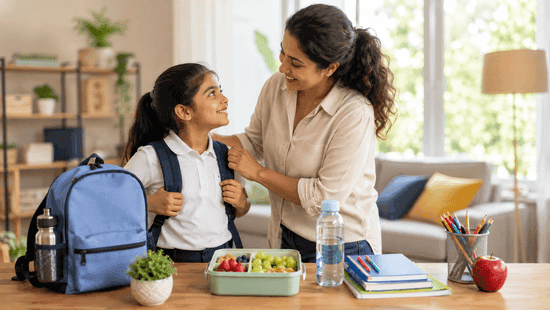
How Can Parents Prepare Children for a Healthy and Stress-Free Return to School?
The back-to-school season is exciting, but it also brings changes in routines, increased exposure to illnesses, and emotional adjustments for both kids and parents. A little preparation in the weeks leading up to school reopening can help children transition smoothly, both physically and mentally.
From re-establishing sleep schedules and morning routines to talking through first-day worries and boosting immunity, small, consistent steps make a big difference. In this post, we’ll share practical, healthy tips for parents to set your child up for a confident, healthy, and stress-free return to school.
Ease Back Into a Routine
Sudden changes in sleep and daily schedules can affect mood, focus, and immunity, making the first weeks of school feel harder than they need to be. Experts recommend easing children back into school-time rhythms gradually, rather than changing everything at once.
- Shift bedtime gradually by 15–30 minutes earlier each night or every few days until it matches the school schedule.
- Re-establish morning routines a few days before reopening, including waking up at the same time, getting dressed, eating breakfast, and packing the school bag.
- Limit late-night screen time to support better sleep, since devices can delay bedtime and make it harder to wind down. pediatrics.
- Practice the school schedule before reopening by running through wake-up, meals, and bedtime as they’ll happen on school days.
Build a Strong Foundation With Nutrition
Healthy eating supports energy, concentration, and immunity, which makes it one of the simplest ways to help children feel ready for school. A balanced mix of protein, whole grains, fruits, vegetables, and fluids can help keep energy steady and support learning throughout the day.
- Prioritize protein-rich breakfasts to help kids feel fuller for longer and start the day with steady energy.
- Pack healthy school lunches that include protein, whole grains, fruits, and vegetables for a more satisfying midday meal.
- Include fruits and vegetables daily to provide vitamins, minerals, and fiber that support overall health.
- Keep healthy snacks on hand, such as yogurt, fruit, nuts, or veggie sticks, to bridge the gap between meals.
- Encourage hydration throughout the day, especially during busy school hours and after physical activity.
Keep Their Immune System Ready
Back-to-school often means more germs, so it helps to focus on prevention before illness starts spreading. Simple daily habits like good hygiene, school sleep routine, hydration, movement, and cough etiquette can all help reduce the risk of getting sick.
- Good hand hygiene: Teach children to wash hands with soap and water for at least 20 seconds, especially before eating, after using the bathroom, and after coughing, sneezing, or blowing their nose.
- Cough and sneeze etiquette: Encourage them to cough or sneeze into a tissue or the crook of the elbow, then wash hands afterward.
- Staying hydrated: Regular water intake supports overall health and helps children stay comfortable and alert during the school day.
- Adequate sleep: Enough sleep helps the body recover and supports normal immune function, focus, and mood.
- Daily physical activity: Movement supports overall wellness and is part of a healthy routine that helps children stay resilient.
- Flu vaccine: Annual flu vaccination is recommended for children aged 6 months and older, with some younger children needing two doses depending on their vaccine history.
- Advanced blood tests: If your child has ongoing symptoms, growth concerns, fatigue, or a known medical condition, get them a blood test to check for underlying issues rather than waiting until problems become more obvious.
Prevention is always better than reacting once illness has already started to spread, especially in classrooms where children are in close contact every day.
Support Their Mental Wellbeing
Not every child looks forward to school, and back-to-school anxiety can show up in both emotional and physical ways. Common signs include trouble sleeping, irritability, stomach aches, withdrawal, clinginess, or frequent worries about school.
- Talk openly about worries: Ask how they’re feeling, listen without judgment, and validate their emotions instead of dismissing them.
- Visit the school beforehand if possible: A school tour, open house, or even driving the route can make the unfamiliar feel more manageable.
- Focus on excitement rather than pressure: Talk about friends, activities, and what they might enjoy, rather than only grades or performance.
- Validate their feelings: Reassure them that nerves are normal and that it’s okay to feel mixed emotions about returning to school.
Encourage Healthy Habits Beyond the Classroom
Healthy habits shouldn’t stop when school ends. A daily routine that includes movement, fresh air, less screen time, good posture, and hydration can support energy, focus, and overall wellbeing.
- At least 60 minutes of physical activity daily: Children and adolescents should aim for at least 60 minutes of moderate-to-vigorous activity each day.
- Outdoor play: Time outside supports physical health, mood, focus, and development, while giving children space to move and reset after school.
- Limiting recreational screen time: Reducing sedentary screen time helps children stay more active and can support better routines overall.
- Maintaining good posture while studying: Encourage an upright sitting position, a properly sized chair and desk, and regular movement breaks to avoid slouching during homework time.
- Packing a reusable water bottle: Having water on hand makes it easier to stay hydrated throughout the school day and during after-school activities.
Prepare Together, Not at the Last Minute
Simple preparation can make the first day feel calmer and more predictable for everyone. When children help get ready, they are often more confident and less anxious about what’s ahead.
- Shop for supplies together so children feel involved and can see what they need for the new school year.
- Organize uniforms and backpacks the night before to reduce morning stress and avoid last-minute scrambling.
- Discuss expectations for the new school year by talking about routines, responsibilities, and any changes they should expect.
- Practice the morning routine before school starts so wake-ups, breakfast, dressing, and departure feel familiar.
Preparation builds confidence, and a little planning now can make the school transition smoother for both parents and children.
Common Mistakes Parents Make
A quick way to keep the transition smoother is to avoid the habits that tend to create more stress than support. Resetting routines early, keeping mornings simple, and watching for signs that a child is unwell or overwhelmed can make the school return much easier.
- Waiting until the last weekend to reset routines: Start adjusting sleep and morning schedules earlier so the change feels gradual, not sudden.
- Skipping breakfast: A morning meal helps children start the day with more steady energy and focus.
- Overscheduling extracurricular activities: Too many commitments can add pressure and leave children exhausted during an already demanding transition.
- Ignoring signs of stress: Trouble sleeping, headaches, stomach aches, irritability, clinginess, or withdrawal can all be signs that a child needs more support.
- Sending children to school when they’re unwell: If a child has fever, vomiting, diarrhea, or is too unwell to take part in class, it’s better to keep them home.
Final Thoughts
As the new school year approaches, the best thing parents can do is preparing children for school early on and consistently. A few small steps in advance – from resetting routines and supporting nutrition to watching for stress and strengthening immune health, can make the transition feel calmer, healthier, and more manageable for the whole family.
It’s also a good time to stay proactive with preventive care. Booking any needed tests and scheduling the flu vaccine ahead of time helps avoid the last-minute rush and gives children a healthier, more confident start to the school year. Moreover, we have an in-house pediatrician who can do a quick check-in before the school begins so you can send them off stronger and happier.
Medically Reviewed By: Dr. Rayan Mohammed, General Practitioner at Valeo Health
Reviewed for medical accuracy, safety guidelines, and healthcare recommendations.
FAQs
1. Why is a back-to-school health check-up important?
A back-to-school health check-up helps identify any underlying health concerns before the school year begins. It can assess vitamin levels, children’s immunity, growth & overall health, helping children start the academic year feeling their best.
2. What blood tests are recommended for children before school starts?
Common back-to-school blood tests include advanced blood test for kids, vitamin D, iron, complete blood count (CBC), blood sugar, and other essential health markers. A comprehensive pediatric health check can help detect nutritional deficiencies and support healthy growth and development.
3. Should my child get vaccinated before returning to school?
Yes. Ensuring your child's vaccinations are up to date helps protect them from vaccine-preventable diseases and supports a safer school environment. Your healthcare provider can advise on age-appropriate immunizations.
4. How can I strengthen my child's immune system before school?
A balanced diet, quality sleep, regular physical activity, good hygiene, and addressing nutrient deficiencies such as vitamin D or iron can all support a healthy immune system. Regular health check-ups can also help identify any underlying concerns.
5. What are the signs my child may have a vitamin deficiency?
Symptoms can include frequent illness, fatigue, difficulty concentrating, poor appetite, slow growth, muscle weakness, or mood changes. A blood test can help identify deficiencies and guide appropriate treatment.
6. When should I schedule my child's back-to-school health check?
It's best to book a health check 2–4 weeks before school starts. This allows enough time for test results, follow-up consultations, and any necessary treatment before the new term begins.
7. Can back-to-school health tests be done at home in the UAE?
Yes. Many healthcare providers offer at-home blood testing and health assessments, allowing children to complete their tests comfortably without visiting a clinic. Results are reviewed by qualified healthcare professionals, with follow-up guidance provided if needed.