


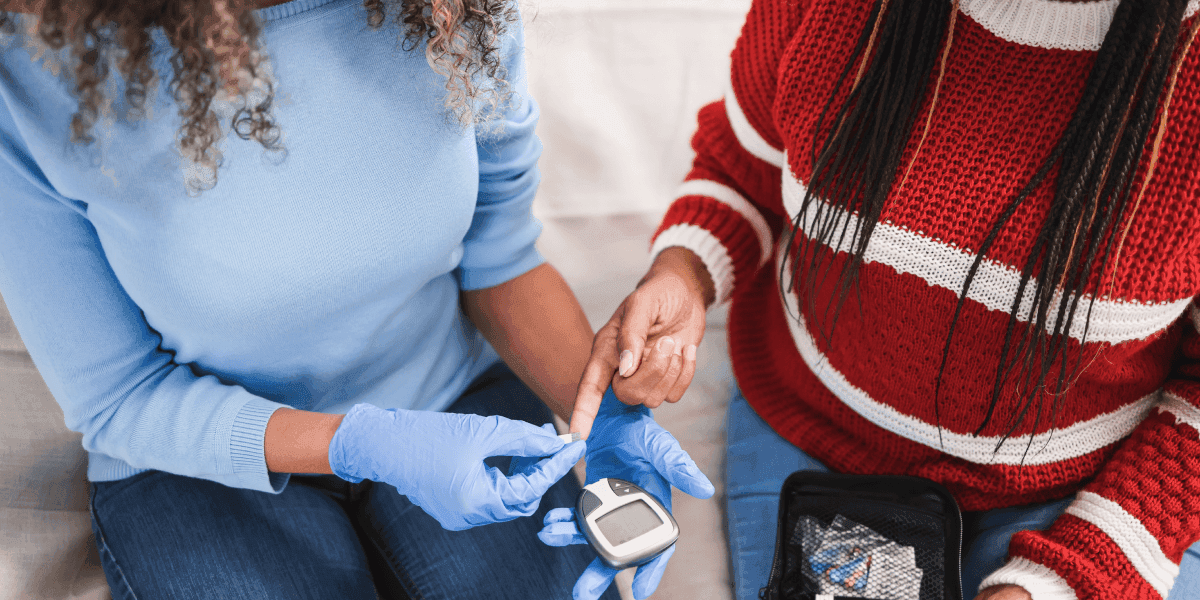
The Impact of Blood Sugar on Your Well-Being: Recognizing Symptoms and Taking Control
Have you ever experienced unquenchable thirst, relentless fatigue, or blurry vision that seemingly came out of nowhere? These perplexing symptoms may be indicators of high blood sugar levels, a condition that affects millions worldwide. In this blog, we delve into the intricate relationship between blood sugar and our well-being, exploring the telltale signs of elevated blood sugar and how to better regulate it through dietary changes, lifestyle adjustments, and the use of glucose-regulating supplements.
What are the symptoms of high blood sugar?
- Dehydration:
- Always thirsty: You may experience excessive thirst and a frequent urge to drink water. This is because Your kidneys are forced to work overtime to filter and absorb the excess glucose. When your kidneys can't keep up, the excess glucose is excreted into your urine, dragging along fluids from your tissues, which makes you dehydrated.
- Frequent urination: Elevated blood sugar levels can lead to increased urine production, so that your kidneys can filter the excess sugar.
- Dry mouth and skin
- Fatigue: High blood sugar levels can make you feel tired and lacking in energy, because the body is not processing glucose as energy
- Increased hunger: glucose from the blood cannot enter the cells – due to either a lack of insulin or insulin resistance – so the body can't convert the food you eat into energy. This lack of energy causes an increase in hunger.
- Blurred vision: High blood sugar can affect the lenses in your eyes, causing blurry vision or changes in eyesight.
- Slow wound healing: Elevated blood sugar levels can impair the healing process, making cuts, sores, or infections take longer to heal. This happens by Increasing inflammation in the cells, preventing oxygen and nutrients from energizing cells and impeding the normal functioning of the immune system.
- Recurrent infections: High blood sugar weakens the immune system, making you more prone to infections, such as urinary tract infections, yeast infections, or skin infections.
- Numbness or tingling: Prolonged high blood sugar levels can damage nerves, due to its effect on small blood vessels that feed the nerves, resulting in numbness, tingling, or a burning sensation in the hands and feet.
- Irritability: High blood sugar can affect your mood, leading to irritability, mood swings, or difficulty concentrating.
- Unintentional weight loss can occur due to the body's inability to properly utilize glucose as an energy source.
How Can I Regulate My Levels?
- Dietary Changes:
- Focus on a well-balanced diet and avoid sugary foods and processed snacks. Incorporate high-fiber foods as they can slow down the absorption of glucose.
- Avoid sugary beverages and energy drinks as they can quickly raise blood sugar levels. Opt for water, herbal tea, or unsweetened beverages instead.
- Portion control to prevent overeating.
- Monitor carbohydrate intake: Choose complex carbohydrates with a lower glycemic index (GI), such as whole grains, legumes, and vegetables, as they have a gentler impact on blood sugar levels compared to simple carbohydrates.
- Engage in regular physical activity, such as walking, jogging, cycling, or swimming. Exercise helps your body use glucose more effectively for energy.
- Hydration: Drink an adequate amount of water throughout the day and make sure to add electrolytes to your water to better help in regulating blood sugar levels.
- Weight management: losing weight can help improve insulin sensitivity and lower blood sugar levels.
- Stress management: Chronic stress leads to increase in cortisol levels, which in turn causes an increase in blood sugar levels. There are effective stress management techniques that can help lower your stress levels, such as meditation, deep breathing exercises, yoga, or engaging in hobbies you enjoy.
- Get enough sleep: Lack of sleep can affect insulin sensitivity and lead to higher blood sugar levels. Some habits that can improve your sleep health:
- Go to bed and wake up at the same times each day
- Make sure your bedroom is quiet, dark and relaxing
- Remove electronic devices from the bedroom
- Avoid large meals, caffeine, and alcohol before bedtime
- Get some exercise during the day to help you fall asleep easily at night.
- Glucose regulating supplements:
- Berberine: a compound found in certain plants and has been used in traditional medicine for its antidiabetic effects. It helps lower blood sugar levels by improving insulin sensitivity and reducing glucose production in the liver.
- Chromium: a mineral that plays a role in insulin function. It may help improve glucose metabolism and enhance insulin sensitivity. It is also used to fight cravings.
- Alpha-Lipoic Acid (ALA): ALA is an antioxidant that has been studied for its potential benefits in reducing blood sugar levels. It may improve insulin sensitivity and help lower fasting blood glucose levels.
- Cinnamon: Cinnamon is a spice that has been shown to have insulin-sensitizing properties, thus, improving glucose metabolism. Cinnamon supplements are available in capsule form.
- Gymnema Sylvestre: an herb traditionally used in Ayurvedic medicine for its ability to regulate blood sugar levels by increasing insulin production and reducing glucose absorption in the intestines.
In conclusion, recognizing the symptoms of high blood sugar is crucial for our health. By making dietary changes, engaging in regular exercise, managing stress, getting enough sleep, and considering glucose-regulating supplements, we can effectively regulate our blood sugar levels and promote overall well-being. Book your blood test with Valeo and take a step towards better health.