


Empowering Your Health: How to Naturally Increase Vitamin D absorption
Do you experience frequent bone and muscle pain? Have you noticed mood swings or even symptoms of depression? If so, you might be dealing with low levels of a vital nutrient – vitamin D.Let’s dive into the symptoms of low vitamin D levels
- Fatigue and lacking energy is a common symptom
- Bone and Muscle Pain: Deficiency can lead to generalized bone pain, joint pain, or muscle aches.
- Bone Loss or Osteoporosis: Vitamin D is crucial for calcium absorption and bone mineralization. Inadequate vitamin D levels over time can contribute to a higher risk of bone loss, osteoporosis, especially in women.
- Mood Changes: Some individuals with vitamin D deficiency may experience mood swings, irritability, or even symptoms of depression. Vitamin D is involved in the synthesis and regulation of serotonin (the feel-good hormone)
- Vitamin D plays a role in the immune system's function and the healing process. Insufficient levels can slow down wound healing
- Compromised Immune Function (increased frequency of illness): Vitamin D is involved in modulating the immune system.
- Hair Loss: Vitamin D is involved in the absorption and utilization of various nutrients important for hair health, such as iron, zinc, and biotin. Inadequate vitamin D levels may hinder the absorption and utilization of these nutrients, which are essential for maintaining healthy hair.
How to naturally increase Vitamin D and enhance the absorption
- Increase Sun Exposure: The most natural way. Your body can produce vitamin D when your skin is exposed to UVB rays from the sun. Aim for moderate sun exposure on bare skin (arms, legs, face) for about 10-30 minutes a day, preferably during midday or noon.
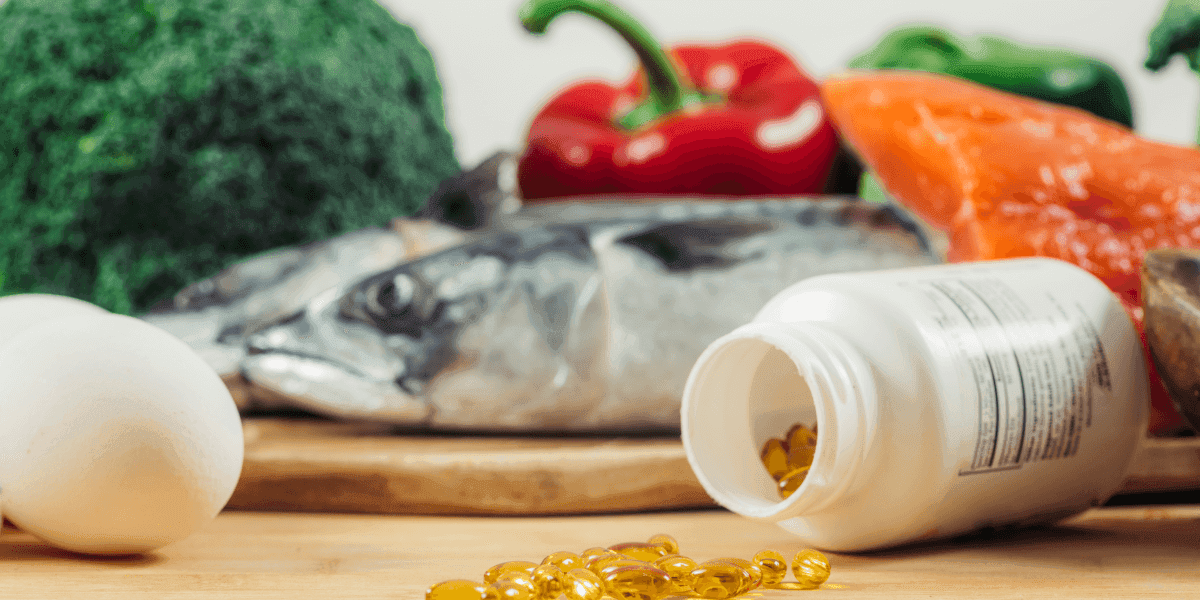
- Consume Vitamin D-Rich Foods: Good food sources of vitamin D include fatty fish like salmon, mackerel, and sardines, as well as beef liver and egg yolk.
- Vitamin D Supplements:
- make sure you are taking the appropriate dosage for your specific needs. Each dose needs to be taken in a particular manner, so make sure you consult with your healthcare provider before, and to test your levels after.
- Increase Intake of Foods that Support Vitamin D Absorption: Vitamin D is fat soluble, meaning it needs a fatty medium to be better absorbed. Foods like Avocados, nuts, seeds, full fat dairy products, and eggs
- foods rich in calcium, such as dairy products and dark leafy greens, as well as magnesium-rich foods like nuts, seeds, legumes, and whole grains. Adequate calcium and magnesium levels support optimal vitamin D metabolism and utilization in the body
- For better sleep take your vitamin supplements at night as it helps increase melatonin production and for energy and increased activity, take it early in the morning.
- Engage in Regular Exercise: this can help support healthy vitamin D levels by regulating either the release of vitamin D metabolites from storage tissues or the utilization of target tissue. Aim for endurance exercise, such as walking, running, strength training, or dancing. Taking control of your health and addressing low levels of vitamin D can have a profound impact on your overall well-being. Remember to consult with your healthcare provider to determine the appropriate dosage and to monitor your levels regularly. Don't wait for symptoms to worsen; take charge of your health today. Get your blood tests done from valeo and start the journey towards optimal health.