

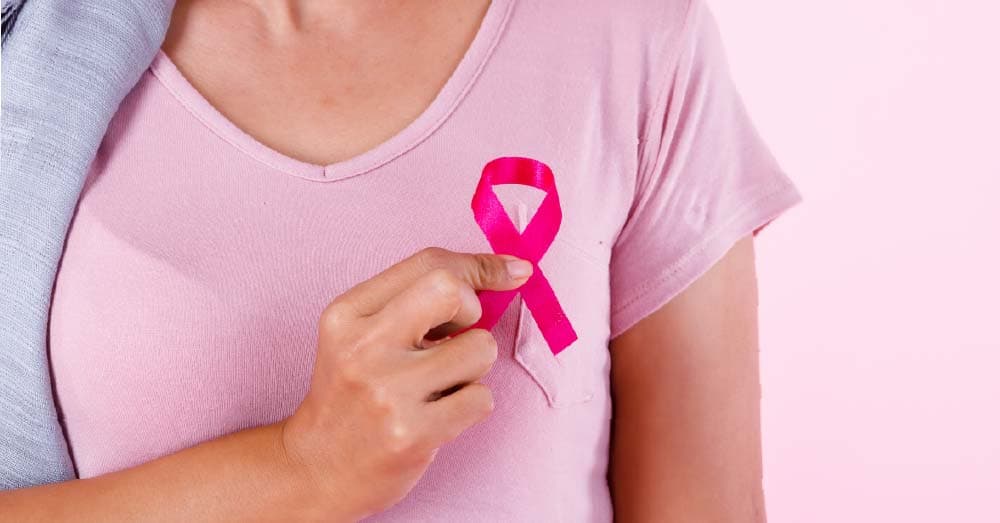
Breast cancer awareness, observed every October, is a subtle reminder of how important it is to raise awareness about breast cancer, detect any abnormalities early on, and promote healthy and wholesome lifestyle choices that help in preventing this disease.
It is one of the most common cancers in women worldwide, and when diagnosed late, it contributes significantly to cancer mortality. However, many deaths can be prevented by detecting cancer early, before it spreads, when treatment is most effective.
However, do not panic. It is important to be aware and take necessary actions to prevent this from happening. Therefore, one must educate themselves and build a healthy lifestyle along with getting tested every year.
Understanding Breast Cancer: The Basics
Breast cancer occurs when cells in the breast grow abnormally and multiply uncontrollably, forming a lump or tumor. These malignant cells often begin in the milk ducts or glands (lobules) and can spread to other parts of the body if untreated.
- Sex and age: Being female is the strongest risk factor. Most breast cancers occur in women over age 50.
- Genetics: only about 5–10% of all breast cancer cases are due to genetic causes. Mutations in BRCA1, BRCA2, and PALB2 are associated with higher lifetime risk. However, most women diagnosed with breast cancer do not carry these mutations.
- Personal and/or family history of breast or ovarian cancer: if there is a family history of breast or ovarian cancer, it is important to get regular screening.
- Reproductive history and hormone exposure: Early menstruation (before age 12), late menopause (after age 55), late first childbirth or not having children, and prolonged hormone replacement therapy can increase risk.
- Prior chest radiation: Receiving radiation therapy to the chest (for conditions such as lymphoma) at a young age increases the risk of developing breast cancer later in life.
- Dense breast tissue: Dense tissue can slightly raise risk and make detection by mammogram more difficult. (Breasts are made up of fat, glands, and connective tissue, when there is more gland and connective tissue than fat, the breasts are called dense.)
Who Is at a Higher Risk of Getting Breast Cancer?
While it is difficult to tell with 100% guarantee who can be at a higher risk for breast cancer. Here are some factors that can increase your chances of being diagnosed with breast cancer. Therefore, it is important to be aware of these.
- Lack of physical activity: Women who are not regularly active have a higher risk of developing breast cancer. Regular exercise helps regulate hormones, maintain a healthy weight, and support overall breast health.
- Weight after menopause: Being overweight or having obesity, especially after menopause, increases breast cancer risk. This is because extra body fat can raise estrogen levels, which may stimulate certain breast cancers.
- Hormone use: Long-term use (more than five years) of hormone replacement therapy (HRT) that combines estrogen and progesterone can slightly increase the risk of breast cancer. Some birth control pills have also been linked to a small rise in risk, which tends to return to normal after stopping them.
- Reproductive history: Having your first full-term pregnancy after age 30, not breastfeeding, or never having been pregnant can modestly increase breast cancer risk due to longer lifetime exposure to natural hormones.
- Alcohol intake: The more alcohol a woman drinks, the higher her risk for breast cancer. Even small amounts can raise risk, so limiting or avoiding alcohol is a healthy choice for prevention.
Prevention Starts Early: Lifestyle & Nutrition
It is important that you work on prevention rather than focusing on the what ifs. Take control of your lifestyle and nutrition and work on becoming the best version of yourself as this will not only reduce your risk but make you feel better physically and mentally.
1. Balanced diet
Include antioxidant-rich foods in your diet like eating berries, leafy greens (like spinach and kale), and cruciferous vegetables (such as broccoli, cauliflower, and Brussels sprouts) and reduce processed foods, sugar, alcohol, and red meat.
2. Exercise & weight management
Aim for at least 30 minutes of daily movement such as brisk walking, resistance training, or metabolic conditioning, which lowers breast cancer risk by maintaining hormone balance and reducing fat.
3. Avoid toxins & smoking
Both smoking and alcohol increase breast cancer risk by causing DNA damage and hormone disruptions. Limiting alcohol and avoiding smoking are critical preventive measures.
4. Breastfeeding
Breastfeeding for several months or longer has been associated with a modest protective effect.
5. Discuss Hormone Therapy Risks
If you use hormone replacement therapy (HRT), talk to your healthcare provider about duration, dosage, and non-hormonal alternatives where possible.
Know Your Body: The Power of Self-Examination
No one talks about the importance of self-examination. A breast self-exam is a simple way to become familiar with how your breasts normally look and feel, so you can notice any changes early. However, this doesn’t mean you should not get your regular breast screening tests done from time to time, this is just for your awareness if you see any irregularities.
Breast self-exams and awareness help you become familiar with your normal breast tissue, making it easier to notice any unusual changes. While evidence is mixed on whether self-exams reduce mortality, they remain a simple tool for self-awareness.
When and how to check
- Frequency: Once a month is ideal. For menstruating women, perform it 3–5 days after your period ends when breasts are least tender. For postmenopausal women, choose a consistent day each month.
- Visual Inspection: Stand before a mirror with arms at your sides, raised overhead, and on your hips. Look for changes in breast shape, size, symmetry, skin dimpling, redness, or nipple changes such as inversion or discharge.
- Manual Check (Lying Down): Lie on your back with a pillow under one shoulder. Use the pads of your three middle fingers to press in small circular motions across the entire breast and armpit area, applying light to firm pressure.
- Manual Check (In the Shower): With wet skin, raise one arm and use the opposite hand to feel the breast and underarm area in circular motions.
If you notice a new lump, thickening, or visible change, don’t panic, but see your healthcare provider promptly. Many breast changes are benign, but professional assessment is essential.
Screening Saves Lives: Mammograms & Clinical Checks
Early detection saves lives. Routine cancer screening identifies cancer before symptoms appear, allowing treatment at earlier, more treatable stages. Therefore, it is important that you make this into a habit and get yourself checked regularly.
When to start and how often
Cancer screening guidelines differ slightly among expert bodies:
- Average-risk women: Women with no known personal or strong family history of breast cancer, no known genetic mutations, and no prior chest radiation.
- The American Cancer Society recommends optional annual mammograms from age 40–44, annual screenings from 45–54, and every one to two years after 55.
- The U.S. Preventive Services Task Force (USPSTF) recommends mammograms every two years for women aged 40–74.
- High-risk women:
Women with BRCA mutations, a strong family history, or prior chest radiation may begin screening earlier (as young as 25–30) and may require additional imaging such as MRI.
Clinical breast exams
Clinical breast exams by healthcare providers may complement screening for younger women and those at high risk, helping detect subtle tissue changes.
What to expect
A mammogram involves compressing the breast for a few seconds to capture X-ray images. The procedure may feel mildly uncomfortable but is generally well-tolerated and highly effective in identifying early abnormalities.
Final Thoughts
Breast health is more than just screenings, it’s an essential part of self-care and empowerment. By staying informed about your risk factors, performing regular self-exams, and scheduling timely clinical check-ups, you can take control of your well-being and detect any changes early. Sharing this knowledge with family and friends can help others become proactive about their health, too.
Encourage open conversations around breast cancer, support loved ones in their breast screening journeys, and participate in awareness initiatives whenever possible. Every step you take—whether it’s a small lifestyle change, a routine test, or helping someone schedule their first screening—contributes to a stronger, healthier community. Awareness, action, and support together can save lives and foster a culture of preventive care.
FAQs
1. At what age should women start getting breast cancer screenings?
For most women, regular mammogram screenings are recommended starting at age 40. However, if you have a family history of breast cancer, your doctor may suggest beginning earlier, sometimes as young as 25 or 30.
2. What are the early signs and symptoms of breast cancer?
The early signs of breast cancer can vary, but the most common one is noticing a lump or thickening in the breast or underarm area. You might also observe changes in the size, shape, or appearance of your breast, dimpling or puckering of the skin, nipple discharge (other than breast milk), inversion of the nipple, or redness and swelling of the breast or nipple area.
3. How often should I perform a self-breast exam?
A self-breast exam is best done once a month, ideally a few days after your menstrual period ends, when your breasts are less tender or swollen. If you no longer have periods, choose a specific day each month to stay consistent.
4. Does breast cancer only affect older women?
While the risk of breast cancer increases with age, younger women can also be affected. Those with a family history of breast or ovarian cancer, or who carry certain genetic mutations, may be at higher risk earlier in life.
5. What lifestyle habits can reduce the risk of breast cancer?
A healthy lifestyle plays a powerful role in breast cancer prevention. Eating a balanced diet rich in fruits, vegetables, and whole foods, along with maintaining a healthy weight, can help lower your risk. Regular physical activity, at least 30 minutes a day keeps your hormones balanced and supports overall well-being.
6. If my mother had breast cancer, does that mean I’ll get it too?
Having a family history of breast cancer does increase your risk, but it doesn’t mean you’ll definitely develop the disease. Genetic factors such as BRCA1 and BRCA2 mutations can be inherited, but lifestyle, environment, and regular screenings all play a role in breast cancer prevention and early detection.
7. How is breast cancer diagnosed?
Diagnosis usually begins with a clinical breast exam by a doctor, followed by imaging tests such as a mammogram, ultrasound, or MRI. If something suspicious is found, a biopsy may be recommended to test a small tissue sample for cancer cells.
8. Are mammograms painful or unsafe?
Mammograms can feel slightly uncomfortable because of the pressure applied to flatten the breast for a clear image, but the discomfort lasts only a few seconds.
9. What should I do if I notice a lump or change in my breast?
If you notice any lump, thickening, or change in your breast or underarm area, don’t panic—but do act promptly. Schedule an appointment with your healthcare provider to have it examined. Many breast changes are benign (non-cancerous), but only a medical evaluation can confirm that.
10. Can men get breast cancer too?
Yes, men can also develop breast cancer, although it’s much less common. Since men have a small amount of breast tissue, they can experience symptoms similar to women, such as a painless lump or changes in the nipple area.