
7 Valeo Doctor-Recommended Supplements to take with GLP-1 medications
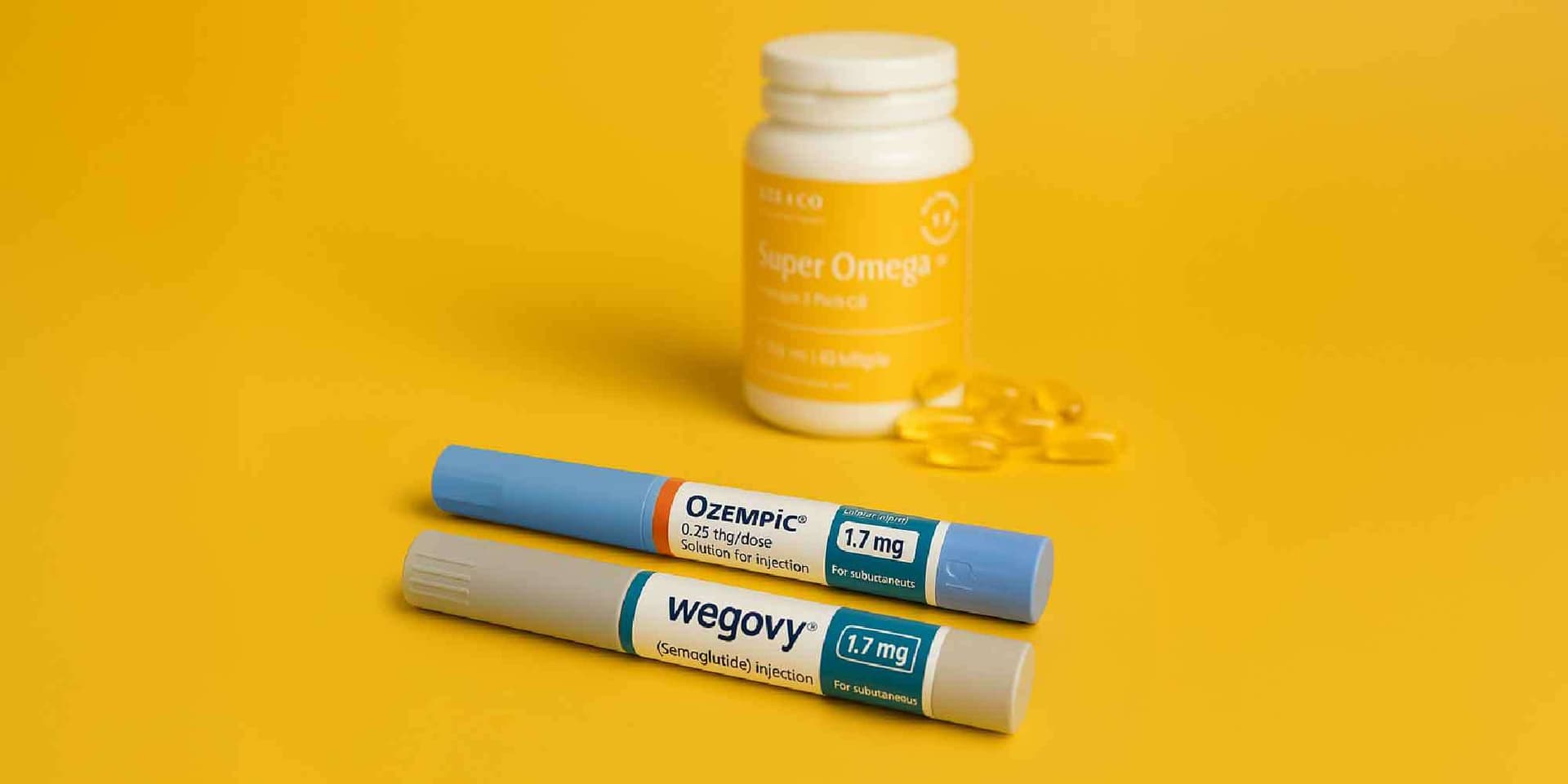
GLP-1 medications like Ozempic, Wegovy, and Mounjaro have transformed the way we approach weight loss, offering powerful support for appetite control, blood sugar balance, and fat loss. But many people start GLP-1s without proper medical guidance or blood testing to ensure they’re eligible. The result? Rapid weight loss that may come at a cost—fatigue, digestive issues, nutrient deficiencies, and even hair thinning.So if you’re on a GLP-1 or thinking about starting, here are 7 Valeo doctor-approved supplements that can help support your body.
Supplements to Take With Glp-1 for Weight Loss
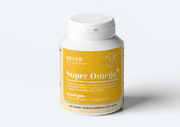
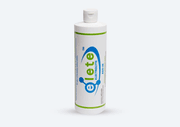
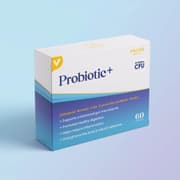
Combining GLP-1 medication with supplements can really support you in your weight loss journey while keeping your strength and fitness intact. Here are the top 7 doctor-recommended supplements to take while on GLP-1 medications:1. Probiotics or Prebiotic Fiber (Inulin/FOS) GLP-1s slow digestion to increase satiety, a key benefit. But this can also mean your gut needs a little extra support. Probiotics and prebiotics promote microbial balance, improve regularity, and reduce occasional bloating.Added benefit: Enhanced nutrient absorption and less discomfort = a more enjoyable weight loss journey. Recommended: Valeo Probiotic+2. Digestive Enzymes When digestion slows, enzyme activity can be reduced too. Digestive enzymes help break down food more efficiently, improving nutrient uptake and minimizing post-meal heaviness or sluggishness.Recommended: Colon Cleanse plus+ Digestive Enzymes3. Omega-3 Fatty Acids GLP-1 medications support metabolic health, and omega-3s take it a step further. These essential fats reduce inflammation, support insulin sensitivity, and promote cardiovascular and cognitive wellness—all key pillars of long-term health.Look for: A daily dose of 720 mg EPA/DHA combined. Recommended: Valeo Super Omega+4. Electrolytes With a reduced appetite, many GLP-1 users unknowingly take in less sodium, potassium, and magnesium—key minerals for hydration and energy. The result? You might feel a little more tired, crampy, or dizzy than usual.Solution: A clean, sugar-free electrolyte solution to keep you hydrated and energized. Recommended: Elete Electrolyte Solution5. Vitamin D3 + K2 Fat-soluble vitamins like D and K can drop if your diet becomes lower in fat. D3 supports mood, immunity, and bone strength—and K2 ensures calcium is delivered to the right places (your bones, not your arteries). Recommended: Vitamin D3+K2+A6. Magnesium Magnesium is involved in 300+ cellular functions. It helps support smooth digestion, steady blood sugar, deep sleep, and relaxed muscles. If you're not getting enough, you might feel tense or more constipated. Recommended: Valeo Magnesium+7. Hair Support As weight drops, your body sometimes prioritizes vital functions over beauty ones. Nutritional support with biotin, zinc, and other hair-friendly nutrients can help maintain healthy hair density throughout your transformation. Recommended: Valeo Hair+Bonus: A Trusted, High-Quality Protein Powder Protein is essential for preserving lean muscle during fat loss. With a smaller appetite, it’s easy to fall short. Protein powders fill in the gap and keep your body strong. Pro tip: Avoid brands that use amino acid spiking (adding cheap glycine or creatine to "inflate" the protein count). Look for: Third-party tested whey isolate, pea protein, or multi-source blends.In Summary GLP-1 medications work best when they’re medically supervised—meaning the right supplementation, proper blood testing to check eligibility, regular follow-ups, and correct dosing.If you’re already on a GLP-1 but dealing with issues like digestion, constipation, or dehydration, we can help.Discover our medically supervised weight loss program. It’s doctor-led, designed to reduce side effects, and built to help you feel better and get more out of your treatment—safely and effectively.
References:
- Drucker DJ. Mechanisms of Action and Therapeutic Application of GLP-1. Cell Metab. 2018;27(4):740-756.
- Cani PD, Delzenne NM. The role of the gut microbiota in energy metabolism and metabolic disease. Curr Pharm Des. 2009;15(13):1546–1558.
- Roberfroid M. Prebiotics: The Concept Revisited. J Nutr. 2007;137(3 Suppl 2):830S–837S.
- Martinsen TC, Bergh K, Waldum HL. Gastric juice: a barrier against infectious diseases. Basic Clin Pharmacol Toxicol. 2005;96(2):94–102.
- Slavin J. Fiber and Prebiotics: Mechanisms and Health Benefits. Nutrients. 2013;5(4):1417–1435.
- Martínez JA et al. Role of Omega-3 Fatty Acids in Obesity, Metabolic Syndrome, and Cardiovascular Diseases. Br J Nutr. 2012;107(S2):S121–S129.
- Calder PC. Omega-3 fatty acids and inflammatory processes. Nutrients. 2010;2(3):355–374.
- Thomas DT et al. Position of the Academy of Nutrition and Dietetics: Nutrition and Athletic Performance. J Acad Nutr Diet. 2016;116(3):501–528.
- Holick MF. Vitamin D deficiency. N Engl J Med. 2007;357(3):266–281.
- Knapen MH et al. Combination of vitamin D and K2 supplementation improves bone health. Osteoporos Int. 2013;24(9):2499–2507. Gupta M, Mahajan VK, Mehta KS, Chauhan PS. Hair loss in metabolic disorders: Role of micronutrients. Dermatol Res Pract. 2014;2014:1–10.
- Phillips SM. A brief review of critical processes in exercise-induced muscular hypertrophy. Sports Med. 2014;44(Suppl 1):S71–S77.
- Hoffman JR, Falvo MJ. Protein – Which is Best? J Sports Sci Med. 2004;3(3):118–130.
- Moon J, Heywood A, Wright H. Protein Spiking: A Deceptive Practice. J Food Sci. 2016;81(9):R2244–R2249.