




Inhalant Allergy Test- 44 panel
Discover some insights with our respiratory Allergy Blood Test. Unveil allergenic reactions to a range of inhalants through precise at-home blood testing. Empower your well-being by making informed choices tailored to your health needs.

44 allergens tested

Pets, Pollen, Dust & More

At home blood sample collection

DHA-licensed nurses & lab partners

No fasting required prior to testing

Results in 2-3 days
Test 44 vital respiratory allergens that help assess your allergic reaction
Identify 44 IgE mediated respiratory allergens causing allergic reactions, empowering you to make informed choices for your well-being. From dust and prfumes to pollen and pets, embark on a journey to a tailored and healthier lifestyle with confidence and ease. Prioritize your health today and unlock the insights your body deserves

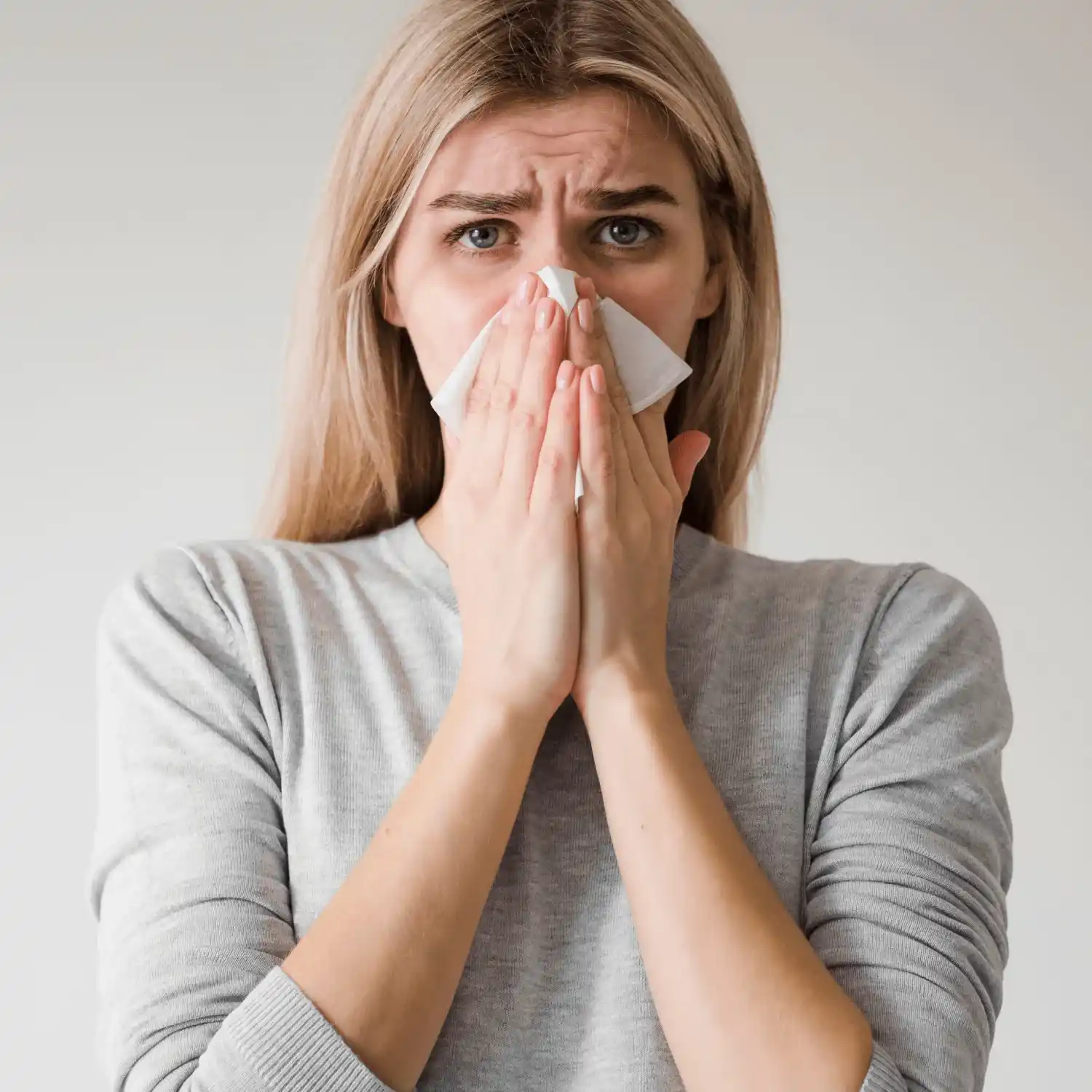
Experiencing symptoms that you don't understand?
Learn more about IgE mediated food allergies and how they are affecting your daily life

- Headache
- Dizziness
- Sinusitis
- Runny nose
- Congested throat

- Weakness
- Tirdness
- Nausea
- Rash
Understanding your blood test results has never been this easy & convenient

Why Valeo

Accredited Laboratories
Our partner laboratories are CAP accredited and maintain the highest laboratory proficiency, quality standards, and certifications.

Science Backed
With a team of highly qualified experts, the latest scientific research, and the power of technology, we're committed to bringing you the best evidence based wellbeing advice.

Secure Data
We comply with the highest professional standards for data storage and protection so your personal information remains safe and confidential at all times. Check out our full privacy policy for more details.
What is an inhalant allergy test?
An inhalant allergy test is a medical test used to identify airborne substances that may trigger allergic reactions. It commonly checks for sensitivity to dust mites, pollen, mould spores and pet dander.
What allergens are included in an inhalant allergy test?
An inhalant allergy test may include common allergens such as house dust mites, grass pollen, tree pollen, weed pollen, mould spores, cat dander and dog dander. The selected allergens depend on your symptoms and exposure history.
What are the symptoms of inhalant allergies?
Common symptoms include frequent sneezing, a runny or blocked nose, itchy or watery eyes, nasal congestion, coughing and sometimes wheezing. Symptoms may occur after exposure to dust, pollen, mould or pet dander.
How is an inhalant allergy test performed?
An inhalant allergy test can be performed using a skin prick test or a specific IgE blood test. A skin prick test involves placing small amounts of selected allergens on the skin and observing the reaction. A blood test measures specific IgE antibodies against selected allergens.
Is an inhalant allergy test painful?
A skin prick allergy test usually causes minimal discomfort, such as a slight prick or temporary itching. A blood allergy test involves a needle insertion, which may cause brief discomfort.
How long does an inhalant allergy test take?
A skin prick allergy test often takes around 15 to 20 minutes for the skin reaction to develop, although the complete appointment may take longer. Blood testing involves sample collection, while laboratory processing and result times vary.
Do I need to prepare before an inhalant allergy test?
Preparation depends on the type of allergy test. Certain antihistamines can affect skin prick test results, so your healthcare professional may advise you to stop specific medications beforehand. Never stop prescribed medication without medical guidance.
Can an inhalant allergy test detect dust mite and pollen allergies?
Yes. Depending on the selected test panel, an inhalant allergy test can identify sensitisation to common allergens such as house dust mites, tree pollen, grass pollen and weed pollen.
Is an inhalant allergy test suitable for children?
Yes. Children can undergo inhalant allergy testing when recommended by a healthcare professional. The appropriate testing method and allergens depend on the child's age, symptoms and medical history.
What happens if my inhalant allergy test is positive?
A positive result indicates sensitisation to the tested allergen, but it does not always confirm a clinical allergy. Your healthcare professional will compare the result with your symptoms and exposure history before recommending treatment or allergy management measures.
Inhalant Allergy Test in Ajman to Check Common Airborne Allergies
An inhalant allergy test in Ajman helps assess whether common airborne allergens may be contributing to recurring allergy symptoms. Dust mites, pollen, mould spores and pet dander are among the substances that can trigger allergic reactions in sensitive individuals. Symptoms may include repeated sneezing, an itchy or blocked nose, watery eyes, coughing and other respiratory discomfort. If you notice these symptoms after cleaning, spending time outdoors or being around pets, an allergy assessment may help investigate the possible cause. Depending on your clinical history, a healthcare professional may recommend a skin prick allergy test or a specific IgE blood test. These tests assess sensitisation to selected allergens and help guide further medical evaluation. Identifying possible allergy triggers can also support practical steps to reduce exposure and manage symptoms. An appropriate inhalant allergy assessment can help residents of Ajman better understand their respiratory allergy concerns.


