

Best Foods for Gut Health in Qatar: A Psyllium Husk Qatar Guide
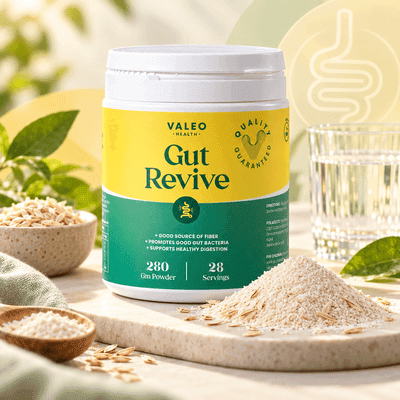
The best foods for a healthy digestive system include oats, lentils, chickpeas, vegetables, fruit, whole grains and fermented foods such as live yogurt. These foods provide fiber and other nutrients that support normal digestion. For people struggling to consume enough dietary fiber, psyllium husk qatar products such as Valeo Gut Revive may offer additional support when used with sufficient water and a balanced diet.
Key Takeaways
• Oats, legumes, fruit and vegetables are useful everyday sources of dietary fiber.
• Fermented foods may provide beneficial live cultures, although effects vary between products and individuals.
• Psyllium absorbs water and can help improve stool consistency and bowel regularity.
• Increasing fiber too quickly may temporarily cause bloating or gas.
• Food variety, sufficient fluids and regular physical activity matter more than relying on one supplement.
Table of Contents
Why food choices matter for digestion
The best foods to include in your meals
How psyllium and Gut Revive fit into a routine
Meal planning, hydration and digestive comfort
Common mistakes and safety considerations
Frequently asked questions
Why Do Everyday Food Choices Matter for Digestion?
Your digestive system does more than break down meals. It absorbs nutrients, moves waste through the intestines and provides a home for a diverse community of microorganisms.
The foods you eat influence these processes. Fiber helps maintain stool consistency, while different plant foods supply nutrients and carbohydrates that gut microorganisms can use.
Many busy adults rely on quick breakfasts, takeaway meals and refined grains. These choices can make it difficult to eat enough fiber throughout the day.
In Qatar, improving digestion does not require following a complicated diet. Small adjustments to familiar meals can make a useful difference.
For example, replacing white toast with oats at breakfast and adding chickpeas to lunch can increase fiber without completely changing your eating habits.
Which Are the Best Foods for Gut Health?
No single food provides everything the digestive system needs. Variety helps people obtain different types of fiber and nutrients.
Oats for Soluble Fiber
Oats contain beta glucan, a type of soluble fiber.
Soluble fiber absorbs water and contributes to the texture of intestinal contents. Oats are also convenient for people with busy mornings.
Try preparing oatmeal with milk, berries and a few nuts.
Overnight oats offer another option for people who prefer preparing breakfast the evening before.
Choose plain oats more often than heavily sweetened instant varieties.
Lentils and Chickpeas for Everyday Fiber
Lentils, chickpeas and beans provide dietary fiber alongside plant protein, vitamins and minerals.
They are especially practical in Qatar because they fit familiar meals such as lentil soup, hummus and chickpea salad.
A bowl of lentil soup with vegetables and whole wheat bread can make a balanced lunch.
However, legumes may initially cause gas in people who are not accustomed to eating them.
Start with smaller portions and increase gradually.
Fruits and Vegetables for Dietary Variety
Apples, pears, berries, oranges, carrots, broccoli and leafy vegetables provide useful amounts of fiber.
Eating whole fruit generally provides more fiber than drinking fruit juice.
For example, choosing an orange instead of orange juice adds more of the fruit's natural fiber to your meal.
Vegetables can be included in salads, soups, stews and cooked side dishes.
Aim for a variety of colors rather than eating the same vegetable every day.
Yogurt and Kefir for Fermented Food Variety
Plain yogurt containing live cultures and kefir may provide beneficial microorganisms.
Some fermented products contain live bacteria, but the strains and amounts vary.
Not every fermented food has a clinically proven probiotic effect.
Choose unsweetened yogurt when possible and check the label for live cultures.
If dairy causes digestive discomfort, consider lactose free or suitable dairy free alternatives.
Nuts and Seeds for Extra Fiber
Almonds, walnuts, chia seeds and ground flaxseed can contribute fiber and beneficial fats.
A small serving can be added to yogurt, oatmeal or salads.
However, seeds should be introduced gradually, especially if your current diet contains little fiber.
Drinking enough fluids also matters when increasing dietary fiber.
How Does Psyllium Husk Qatar Support a Food First Routine?
Psyllium comes from the seed husk of the Plantago ovata plant.
It contains soluble fiber that absorbs liquid and forms a gel.
This property helps psyllium increase stool bulk and retain moisture, making bowel movements easier to pass for some people experiencing constipation.
Unlike a complete meal, psyllium supplies a concentrated type of fiber rather than the broad range of nutrients found in vegetables, fruit and legumes.
That is why supplements work best as additions to a varied eating pattern.
Where Valeo Gut Revive Fits In
Valeo Gut Revive Powder is a 280 g supplement offered through Valeo Health's Qatar store.
Valeo describes its Gut Revive formula as combining psyllium fiber with prebiotic ingredients and probiotic cultures.
These components serve different purposes.
Psyllium provides soluble fiber. Prebiotic ingredients can be used by certain gut microorganisms, while probiotics are live microorganisms included in specific formulations.
However, probiotic effects depend on the strains and amounts used, so benefits should not be assumed for every person.
Consumers should review the current product label for its complete ingredients, recommended serving, allergens and preparation instructions.
A supplement cannot replace a balanced diet or treat every cause of digestive discomfort.
When Should You Consider Psyllium Husk Qatar?
A fiber supplement may be worth discussing with a healthcare professional when your regular meals do not provide enough dietary fiber or when additional soluble fiber is appropriate for constipation.
The National Institute of Diabetes and Digestive and Kidney Diseases notes that adults generally need about 22 to 34 grams of fiber daily, depending on age and sex.
Food should remain the main source whenever practical.
A useful first step is to assess what you eat on a typical day.
If breakfast contains little fiber, lunch rarely includes vegetables and dinner is mostly refined grains, improving those meals may be more important than immediately adding supplements.
How to Use Psyllium More Safely
Psyllium must be taken with enough liquid.
General guidance for powdered psyllium recommends mixing it with approximately 240 ml of liquid, but the exact instructions for a combined supplement should come from its current label.
Do not swallow dry psyllium powder.
Drink the mixture promptly as instructed, because it can become thicker after standing.
People with swallowing difficulties, suspected bowel obstruction or certain digestive conditions should seek medical advice before use.
Fiber may also affect the absorption of some medicines, making pharmacist guidance important when deciding on timing.
What Could a Gut Friendly Day of Eating Look Like in Qatar?
Building a routine around familiar foods is usually easier than following a restrictive meal plan.
Here is one practical example.
This is an example rather than a prescribed diet.
Portions should reflect individual energy requirements, medical needs and food preferences.
Someone with a sensitive digestive system may tolerate cooked vegetables better than large raw salads.
Another person may need to limit specific fermentable foods under professional guidance.
The objective is to create a varied, practical routine that supports gut health without unnecessary dietary restrictions.
Why Does Water Matter When Increasing Fiber?
Fiber and hydration work together.
Soluble fiber absorbs water, and adequate liquid helps support stool softness and movement through the digestive system.
This is especially relevant in Qatar, where outdoor heat and physical activity can increase fluid losses.
Keep water accessible throughout the day, particularly when working outdoors or exercising.
People with fluid restrictions due to heart, kidney or other medical conditions should follow their healthcare professional's recommendations.
Adding more fiber without adequate fluid intake can worsen discomfort in some situations.
Can More Fiber Cause Bloating?
Yes. Increasing fiber suddenly may cause temporary gas, abdominal fullness or bloating.
Legumes, certain vegetables and supplemental fibers can all contribute, especially when introduced in large quantities.
Instead of changing your entire diet overnight, add one new fiber rich food at a time.
For example, start by adding oats at breakfast for several days before increasing legumes at lunch.
Observe how your body responds.
Persistent bloating may have causes unrelated to fiber intake, including food intolerances or digestive conditions.
Severe pain, vomiting, blood in the stool or unexplained weight loss requires medical assessment.
Which Common Habits Can Make Digestive Discomfort Worse?
Several everyday habits can affect bowel regularity and comfort.
Eating very quickly may increase swallowed air and contribute to bloating.
Skipping meals or changing eating patterns frequently may affect bowel routines.
Relying heavily on refined foods can reduce overall fiber intake.
Lack of movement may also contribute to constipation.
A practical checklist is to eat at regular times, chew slowly, include plant foods, stay hydrated and maintain regular activity.
Avoid using extreme detox diets or unnecessary cleansing routines. Your digestive system does not require aggressive cleansing to function normally.
How Can You Build a Routine That Lasts?
Choose two or three realistic habits to improve first.
You might begin with oats for breakfast, one vegetable at lunch and fruit as an afternoon snack.
After these habits become comfortable, increase the variety of legumes and whole grains.
Review your water intake and daily movement.
If additional soluble fiber is appropriate, follow the supplement's directions rather than copying someone else's serving size.
Progress is not always immediate. Allow time to adjust, particularly if your previous diet contained little fiber.
A sustainable approach focuses on what you can maintain for months, not just a few days.
Final Thoughts: A Balanced Approach to Better Digestion
Healthy digestion starts with varied meals, appropriate fiber intake, hydration and consistent daily habits. Oats, lentils, chickpeas, vegetables, fruit, nuts and suitable fermented foods can all contribute to a practical eating pattern. If your diet needs additional soluble fiber, Valeo Gut Revive may be one option to consider alongside food, not instead of it. For more detailed guidance about psyllium use, bloating and gut health, explore Valeo Health's Qatar guide before deciding what belongs in your routine.
Medical Review
Expert reviewed by May Chalhoub, Certified Nutritionist, Licensed Dietitian & Health Coach, with a focus on nutrition, healthy hair growth and nutritional factors that may contribute to hair loss.