
Berberine Benefits for Weight Loss in Qatar: What Really Works?
Can berberine help with weight loss? Research suggests that this natural plant compound may support certain aspects of metabolic health and contribute to modest changes in body weight. However, results vary, and it is not a substitute for a balanced diet or medical treatment. Understanding berberine benefits can help you separate realistic expectations from exaggerated supplement claims and make more informed decisions about your health.
Key Takeaways
Berberine is a plant compound studied for its effects on blood sugar, cholesterol, and metabolism.
Some studies suggest modest weight loss, but significant results are not guaranteed.
Berberine is not equivalent to prescription GLP-1 medications.
Healthy eating, regular exercise, and adequate sleep remain essential for weight management.
Medical advice is important because berberine can cause side effects and interact with medications.
Table of Contents
What is berberine, and how does it work?
How may it affect weight management?
Which metabolic benefits have scientific support?
Is berberine comparable to GLP-1 medications?
What daily habits support sustainable results?
How can you choose a supplement in Qatar?
What are the risks and precautions?
How should you measure progress?
Frequently asked questions
What Is Berberine, and How Does It Work?
Berberine is a naturally occurring compound found in several plants, including barberry, goldenseal, and Oregon grape.
It belongs to a group of plant chemicals called alkaloids and has a long history of traditional use.
Today, researchers are interested in how it may influence glucose regulation, blood lipids, and cellular energy metabolism.
This growing interest has also led to discussions about its potential role in weight management.
How Does Berberine Affect Metabolism?
One mechanism researchers have investigated involves an enzyme called AMPK, which helps regulate cellular energy use.
Laboratory studies suggest that berberine may influence this pathway and other processes involved in glucose and fat metabolism.
However, biological activity in laboratory studies does not automatically translate into significant weight loss in humans.
The most reliable conclusions come from well-designed clinical trials that measure outcomes in real people.
Does Berberine Increase Fat Burning?
There is insufficient evidence that berberine substantially increases fat burning in humans.
Some studies report small reductions in weight or waist measurements, while others find no meaningful improvement in specific fat deposits.
Body weight also changes for many reasons, including food intake, activity, hydration, and health conditions.
For this reason, weight loss claims should always be considered alongside the quality of the evidence.
How Do Berberine Benefits Relate to Weight Loss?
Interest in this supplement often begins with the question of whether it can help people lose stubborn weight.
A systematic review and meta-analysis published in the International Journal of Obesity examined 23 randomized controlled trials.
Researchers reported an average body weight reduction of approximately 0.88 kg compared with control groups.
Although this finding suggests a possible effect, the average difference was small.
The review also highlighted limitations in the available studies, including concerns about research quality.
Can It Reduce Belly Fat?
Belly fat is a common concern, but evidence of a meaningful effect is limited.
A randomized clinical trial published in JAMA Network Open in January 2026 studied 337 adults with obesity and metabolic dysfunction associated fatty liver disease who did not have diabetes.
After six months, berberine did not significantly reduce visceral fat or liver fat compared with placebo.
This finding is important because losing weight on the scale does not necessarily mean reducing harmful fat deposits.
How Long Does It Take to See Results?
Clinical studies have evaluated outcomes over different periods, often several weeks or months.
There is no established timeline for noticeable weight loss, and some individuals may experience no meaningful change.
Diet, physical activity, underlying health conditions, and medication use can all influence results.
Anyone expecting rapid or dramatic changes from a supplement alone may be disappointed.
Which Berberine Benefits Have the Strongest Scientific Evidence?
Weight management is only one area of research.
Scientists have also investigated potential effects on blood glucose, insulin sensitivity, and cholesterol levels.
These findings help explain why the compound attracts attention in metabolic health discussions.
Blood Sugar Regulation
Some clinical studies suggest that berberine may reduce fasting blood glucose and HbA1c in certain adults with type 2 diabetes.
HbA1c reflects average blood sugar levels over approximately three months.
However, study quality varies, and these findings do not establish the supplement as a replacement for prescribed treatment.
People using diabetes medication should consult their doctor before taking it.
Insulin Sensitivity
Insulin helps move glucose from the bloodstream into the body's cells.
When cells respond poorly to insulin, maintaining normal blood sugar levels becomes more difficult.
Researchers have explored whether berberine may improve certain measures of insulin resistance.
Although some findings are promising, changes in laboratory markers do not guarantee weight reduction.
Cholesterol and Triglycerides
Some clinical trials have reported improvements in LDL cholesterol and triglyceride levels.
These measurements are relevant because elevated blood lipids can contribute to cardiovascular risk.
However, the size of the effect varies across studies.
Berberine should not replace cholesterol medication or other treatment recommended by a healthcare professional.
Is Berberine Really a Natural Alternative to GLP-1 Medication?
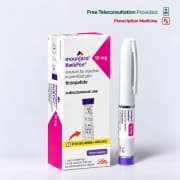
Social media sometimes describes berberine as a natural version of Ozempic.
This comparison can create unrealistic expectations.
Ozempic contains semaglutide, a prescription medication that acts on GLP-1 receptors.
Berberine works differently and does not have comparable evidence for substantial weight loss.
The two should not be treated as interchangeable options.
If weight is affecting your health, a doctor can assess whether nutrition changes, structured weight management, or medical treatment is appropriate.
What Daily Habits Support Healthy Weight Management?
Even when someone chooses to take a supplement, daily habits remain the foundation of sustainable progress.
A practical routine does not need to be complicated.
The goal is to make choices you can maintain consistently.
Build Balanced Meals
Aim to include protein, vegetables, fiber-rich carbohydrates, and appropriate portions of healthy fats.
For example, a lunch of grilled fish, rice, and vegetables offers more nutritional balance than relying mainly on fried snacks.
Protein also helps support muscle maintenance during weight loss.
Reduce Unnecessary Liquid Calories
Sweetened coffees, soft drinks, and large portions of fruit juice can add considerable calories without providing the same fullness as a balanced meal.
Choosing water or unsweetened drinks more often is one manageable change.
You do not need to eliminate every favorite beverage, but portion awareness can help.
Include Regular Movement
Walking, cycling, swimming, and resistance exercise can support cardiovascular health and weight management.
In Qatar, indoor walking areas or gym sessions may be practical during particularly hot weather.
Strength training is especially useful for maintaining muscle while losing weight.
Protect Sleep and Recovery
Irregular sleep can influence appetite, energy levels, and eating habits.
Try to maintain a consistent sleep schedule and allow time for recovery between demanding workouts.
These routines contribute to long-term health beyond weight alone.
How Should You Choose a Berberine Qatar Supplement?
People searching for berberine qatar products will find that formulations and serving information can vary.
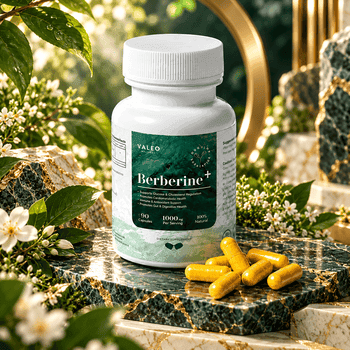
Some supplements contain berberine hydrochloride, commonly listed as Berberine HCl.
Others include additional botanical ingredients or minerals.
The most suitable option depends on your individual circumstances rather than marketing promises.
What Should You Check Before Buying?
Review these details carefully:
The exact ingredient name and form
The amount of berberine per serving
The recommended serving instructions
Additional active and inactive ingredients
Manufacturer and storage information
Relevant quality testing information, when available
A higher amount per capsule does not automatically produce better results.
There is no universally established supplement dose specifically approved for weight loss.
Does Supplement Price Indicate Quality?
Not necessarily.
Price may reflect packaging, capsule quantity, manufacturing processes, or additional ingredients.
When comparing berberine qatar options, consider ingredient transparency and the amount provided per serving.
Avoid products that promise dramatic weight loss within days.
What Side Effects and Precautions Should You Know?
Like other biologically active supplements, berberine can cause unwanted effects.
Commonly reported symptoms include nausea, abdominal discomfort, bloating, constipation, and diarrhea.
These symptoms may be more troublesome for some individuals than others.
Can Berberine Interact With Medication?
Yes. Berberine may interact with certain medicines, including cyclosporine, and may affect glucose control.
People taking diabetes medication need particular caution because combining substances that lower blood sugar may increase the risk of hypoglycemia.
Other medication interactions are also possible.
Always ask a doctor or pharmacist to review your medicines and supplements before starting.
Who Should Avoid It?
Berberine should be avoided during pregnancy and breastfeeding and must not be given to infants.
People with chronic medical conditions or complex medication routines should seek medical advice before use.
Long-term safety data are limited, so regular supplementation should not be assumed to be risk-free.
How Can You Track Weight Loss Progress Realistically?
A single measurement rarely tells the full story.
Body weight can fluctuate from day to day because of hydration, meals, and other factors.
Instead of weighing yourself repeatedly throughout the day, monitor trends consistently over time.
You can also consider waist measurements, exercise performance, and relevant health tests recommended by your doctor.
For example, someone who maintains muscle strength while gradually reducing waist circumference may be making meaningful progress even when the scale changes slowly.
The most useful measure of success is whether your overall routine supports better health.
Conclusion: Is Berberine Worth Considering for Weight Loss?
Current research suggests that berberine may offer modest effects on body weight and some metabolic markers. However, it is not a proven solution for substantial weight loss, and it cannot replace healthy habits or appropriate medical care.
If you are considering a supplement in Qatar, focus on clear labeling, safety, and realistic expectations rather than dramatic claims.
Valeo Health offers educational resources to help you evaluate supplement choices. Before deciding whether it fits your routine, read the Valeo guide to berberine qatar, including its potential uses, practical considerations, and important safety information.
Medical Review
Expert reviewed by May Chalhoub, Certified Nutritionist, Licensed Dietitian & Health Coach, with a focus on nutrition, healthy hair growth and nutritional factors that may contribute to hair loss.