



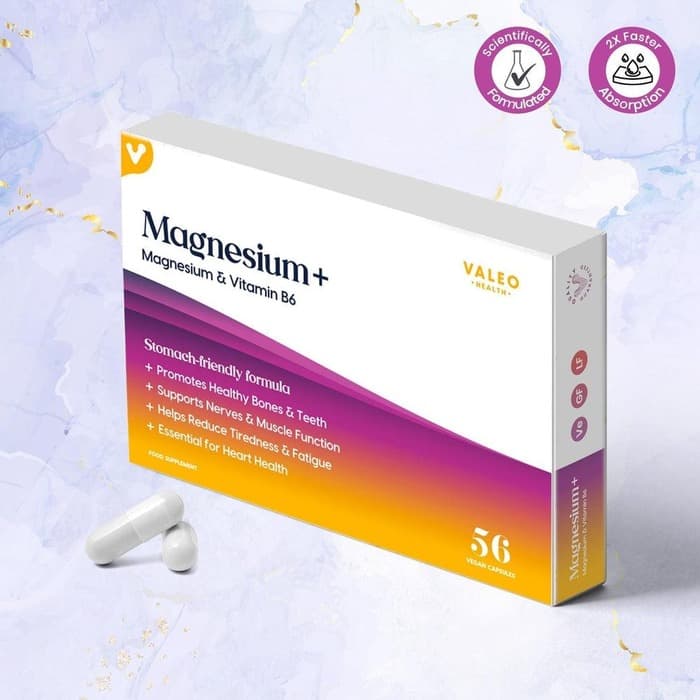
How Much Magnesium Do You Need Daily? Top Magnesium-Rich Foods You Should Eat
Magnesium is one of the most important minerals in the body, yet many people do not get enough of it through their daily diet. It plays a role in hundreds of bodily functions, including muscle movement, nerve function, energy production, and bone health.
If you have ever wondered how much Magnesium you need each day or which foods contain the highest amounts, this guide will help you make informed choices and improve your daily nutrition.
Why Is Magnesium Important?
The body relies on Magnesium to support several essential processes. It helps maintain normal muscle and nerve function, regulates blood pressure, and contributes to healthy bones and teeth.
Many people experience symptoms such as fatigue, muscle cramps, headaches, or poor sleep without realizing that low magnesium intake may be a contributing factor.
Adding more magnesium-rich foods to your meals can be a simple way to support overall wellness.
How Much Magnesium Do You Need Daily?
The recommended daily intake varies by age and gender.
Daily Magnesium Recommendations
- Adult men: 400–420 mg per day
- Adult women: 310–320 mg per day
- Pregnant women: 350–360 mg per day
- Teenagers: 360–410 mg per day depending on age and gender
These amounts can usually be achieved through a balanced diet that includes a variety of whole foods.
For people with specific dietary restrictions or increased nutritional needs, Magnesium+ supplements may sometimes be considered after consulting a healthcare professional.
Top Magnesium-Rich Foods You Should Eat
One of the best ways to meet your daily magnesium requirements is through food. Many nutritious foods naturally contain high amounts of magnesium.
1. Nuts and Seeds
Nuts and seeds are among the richest dietary sources of magnesium.
Examples include:
- Pumpkin seeds
- Chia seeds
- Almonds
- Cashews
- Sunflower seeds
A small handful of pumpkin seeds can provide a significant portion of your daily magnesium needs.
2. Leafy Green Vegetables
Dark green vegetables are packed with vitamins and minerals, including magnesium.
Good choices include:
- Spinach
- Kale
- Swiss chard
- Collard greens
Adding a side salad or cooked greens to your meals is an easy way to increase magnesium intake.
3. Whole Grains
Whole grains contain more nutrients than refined grains.
Examples include:
- Brown rice
- Quinoa
- Oats
- Whole wheat products
Many people who switch from refined grains to whole grains naturally consume more magnesium throughout the day.
4. Legumes
Beans and lentils are excellent sources of plant-based nutrition.
Popular options include:
- Black beans
- Kidney beans
- Chickpeas
- Lentils
These foods are also rich in fiber and protein, making them ideal for balanced meals.
5. Fatty Fish
Certain fish provide magnesium along with heart-healthy fats.
Examples include:
- Salmon
- Mackerel
- Halibut
Including fish in your weekly meal plan can contribute to better overall nutrient intake.
6. Avocados
Avocados are not only rich in healthy fats but also contain a useful amount of magnesium.
They can be added to salads, sandwiches, smoothies, or enjoyed on their own.
7. Dark Chocolate
For those who enjoy an occasional treat, dark chocolate can provide magnesium while satisfying sweet cravings.
Choose varieties with a high cocoa content for greater nutritional value.
Signs You May Not Be Getting Enough Magnesium
Although only a healthcare professional can diagnose a deficiency, some common signs associated with low magnesium intake include:
- Muscle cramps
- Fatigue
- Weakness
- Difficulty sleeping
- Headaches
- Irritability
If these symptoms persist, professional medical advice is recommended.
Can Magnesium Supplements Help?
While food should generally be the primary source of nutrients, some individuals may benefit from supplementation.
Products such as Magnesium+ are often used by people who struggle to meet their nutritional requirements through food alone. Athletes, older adults, and individuals following restrictive diets sometimes discuss Magnesium+ options with healthcare providers.
However, taking excessive amounts of magnesium supplements can lead to unwanted side effects. It is always best to follow professional guidance.
Practical Tips to Increase Magnesium Intake
Making small dietary changes can help you consume more magnesium naturally.
Easy Everyday Habits
- Add pumpkin seeds to yogurt or salads.
- Choose brown rice instead of white rice.
- Include leafy greens with lunch or dinner.
- Snack on almonds or cashews.
- Eat beans or lentils several times per week.
- Consider Magnesium+ supplements only when dietary intake is insufficient.
These simple adjustments can make a noticeable difference over time.
A Real-World Example
Consider an office worker who often skips breakfast and relies on processed snacks throughout the day. Their diet may be low in magnesium-rich foods.
By making a few changes—such as adding oatmeal in the morning, eating a handful of almonds as a snack, and including spinach in dinner meals—they can significantly improve magnesium intake without drastically changing their lifestyle.
This approach is often more sustainable than relying solely on supplements.
Conclusion
Magnesium is essential for muscle function, energy production, bone health, and overall well-being. Fortunately, many everyday foods provide this important mineral naturally.
By incorporating nuts, seeds, leafy greens, legumes, whole grains, fish, and avocados into your diet, you can meet your daily requirements more easily. For individuals who need additional support, Magnesium+ products may be considered under professional guidance.
Focusing on balanced nutrition today can help support long-term health and wellness.
FAQs
1. What is the recommended daily amount of Magnesium?
Adult men generally need 400–420 mg per day, while adult women typically require 310–320 mg daily.
2. Which food contains the most Magnesium?
Pumpkin seeds are considered one of the richest natural food sources of magnesium.
3. Can I get enough Magnesium from food alone?
Most healthy adults can meet their magnesium needs through a balanced diet that includes magnesium-rich foods.
4. Is Magnesium important for muscle health?
Yes. Magnesium plays an important role in muscle contraction and relaxation.
5. Who may benefit from Magnesium+ supplements?
Individuals with dietary restrictions, increased nutritional needs, or low dietary intake may discuss Magnesium+ options with a healthcare professional.
6. Can too much Magnesium be harmful?
Excessive supplementation may cause side effects. It is important to follow recommended guidelines and seek professional advice when needed.
Related Searches: